 Land O'Lakes Siding
 Windows Take a Beating in New Port Richey
New Port Richey sits close enough to the Gulf that its homes deal with a combination of stresses most inland properties never see. Salt-laden air corrodes hardware and frame components faster than it does even twenty or thirty miles east. Intense, near-constant Florida UV breaks down seals, gaskets, and vinyl over years of daily exposure. Add in wind-driven rain during summer storms and the very real possibility of hurricane-force gusts, and it's easy to see why windows here fail sooner than the same products would in a milder climate. A window that's a good fit for a house in Ohio is not automatically a good fit for a house a few miles from the water in Pasco County.
This page is specifically about window installation for New Port Richey homes — what local conditions demand, what a correct install actually looks like, and why the details matter more here than they would somewhere with a gentler climate.
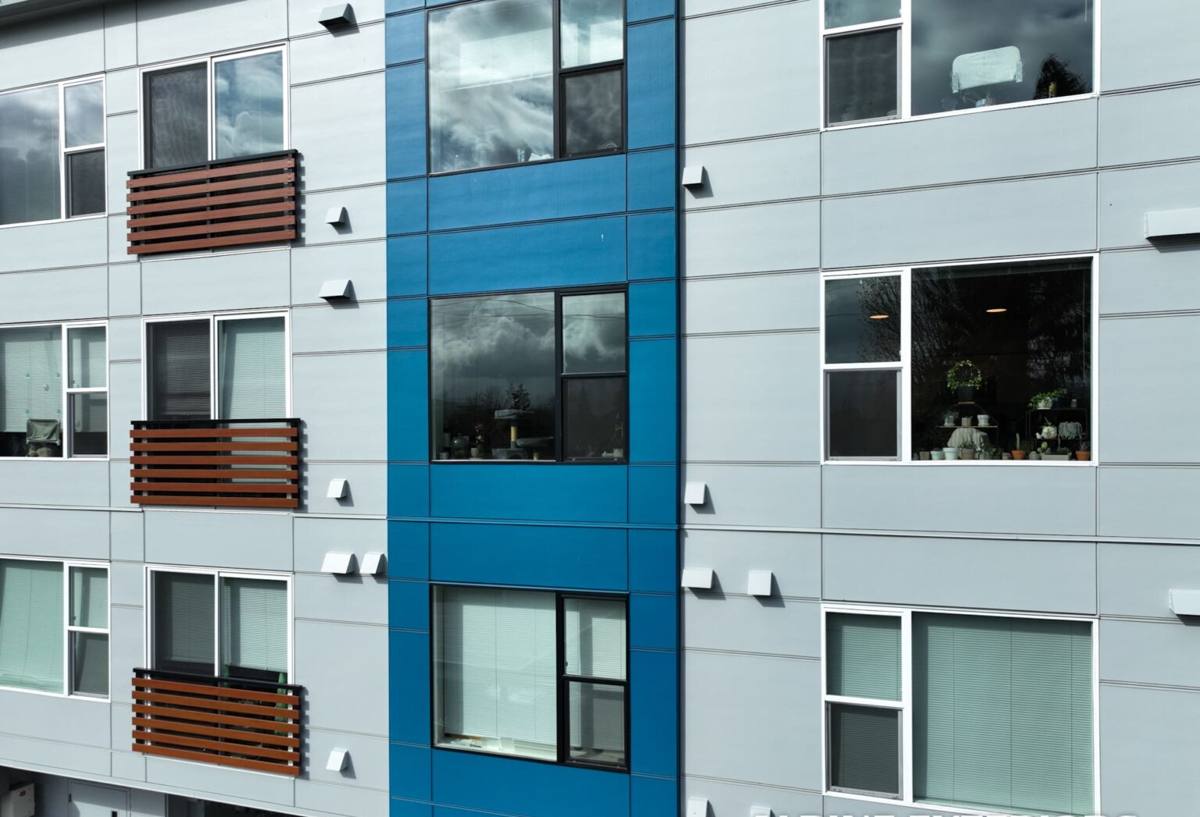
Signs a New Port Richey Home Needs New Windows
Windows rarely fail all at once. Usually there's a stretch of small warning signs before a full replacement becomes necessary. Worth checking for:
- Fogging or a hazy film between panes of double-pane glass — the seal has failed and the insulating gas has escaped
- Windows that stick, won't stay open, or are hard to lock — frames have warped or hardware has corroded
- Noticeable drafts near the frame even when the window is fully closed and locked
- Soft or discolored wood at the sill or surrounding trim, often a sign of long-term water intrusion
- A jump in cooling costs without a clear cause, especially through the summer months
- Condensation forming on the inside of the glass regularly, not just on unusually humid mornings
- Visible gaps between the frame and the wall, or caulking that's cracked and pulling away
- Any window that took direct storm damage — even if it still "works," the seal or structure may be compromised
Any one of these on its own might just need a repair. Several together, especially on a home that's had its original windows for 15-20+ years, usually points to replacement being the more sensible long-term move.
What Correct Window Installation Actually Involves
Window installation gets treated as simple carpentry more often than it should be. In this climate, the parts that don't show — flashing, sealing, fastening — matter as much as the window itself. A well-built window installed poorly will leak, rot the surrounding wall, and fail early. A modest window installed correctly will usually outperform it.
Removing the Old Window the Right Way
Before anything new goes in, the old unit has to come out cleanly, and the surrounding opening has to be inspected. This is the point where hidden problems — soft framing, old water staining, prior repair shortcuts — get found. Skipping a real inspection here just means covering up a problem that will resurface later, usually as a leak inside the wall where it's much harder to see.
Flashing and Water Management
Flashing is the layered system of water-resistant material around a window opening that directs any water that gets past the window itself back out, rather than into the wall cavity. In a climate with regular wind-driven rain, correct flashing isn't optional — it's the difference between a window that stays dry for decades and one that quietly rots the wall behind it. This step gets rushed more than any other part of the job, largely because it's invisible once the trim goes back on.
Sealing, Insulating, and Fastening
The window needs to be shimmed level and square, fastened according to the manufacturer's and the window's design pressure rating, insulated around the gap without overpacking it, and sealed with the right exterior sealant for Florida's heat and UV exposure. Fastening pattern matters especially for impact-rated or high-wind-rated products — a window rated for a certain wind load only performs to that rating if it's installed exactly as specified.
Choosing the Right Window for Coastal Pasco County Conditions
Frame material affects how well a window holds up to salt air, sun, and moisture over time. Here's how the common options generally compare for a home in this area:
| Frame Material | Salt Air / Corrosion Resistance | Maintenance | Typical Cost Tier |
|---|---|---|---|
| Vinyl | Good — won't corrode, though color and finish can fade over many years of UV exposure | Low — no painting or sealing needed | Lower to mid |
| Aluminum | Fair — prone to corrosion near the coast unless properly coated and maintained | Moderate — hardware and coating need periodic attention | Mid |
| Fiberglass | Excellent — very stable in heat and humidity, resists warping and corrosion | Low | Higher |
| Wood / Wood-clad | Poor without diligent upkeep — moisture and humidity are its biggest enemies here | High — regular painting/sealing required | Higher |
We're upfront with New Port Richey homeowners that bare wood frames, while attractive, ask a lot of a house in this climate — the maintenance burden to keep them sealed against Gulf humidity is real and ongoing. Vinyl and fiberglass tend to be the more practical long-term choices for this area, with the final decision usually coming down to budget and the look you're going for.
Impact Resistance and Wind: What Local Homes Actually Need
Pasco County falls within Florida's wind-borne debris region, which means window and door products used in new installations and replacements generally need to meet specific wind load and impact standards under the Florida Building Code, with the exact requirement depending on your home's location and exposure. There are two general paths to compliance:
- Impact-rated windows — laminated glass built to resist windborne debris on their own, no separate shutters needed during a storm
- Non-impact windows paired with approved protection — storm shutters or panels rated to meet the same protection requirement when installed
Both are legitimate approaches, and the right one depends on your budget, how much you want to deal with before a storm, and what the rest of your home's protection already looks like. What matters most is that whichever path you take is documented and installed to meet code — that's what protects your home, and it's also what your insurance company and any future buyer's inspector will want to see. Permitting and inspection are part of a compliant installation, not an optional add-on.
Our Installation Process
- On-site assessment — we measure existing openings, check framing condition, and talk through what's actually going on with your current windows
- Product selection — we walk through frame material, glass package, and protection options (impact-rated vs. shutter-protected) based on your home's exposure and budget
- Permitting — we handle the paperwork required for the work to be done to code, so there's no gap in your documentation later
- Removal and inspection — old units come out, and we check the opening for hidden rot or water damage before anything new goes in
- Installation — proper flashing, leveling, fastening to spec, insulating, and sealing
- Final walkthrough — we test every window, confirm operation and locking, and go over care with you before we consider the job done
- Cleanup — old materials and debris hauled off, work area left clean
What Affects the Cost of a Window Installation
Every home is different, so we won't quote a number without seeing the actual job — but these are the main factors that move the price up or down:
| Factor | Why It Matters |
|---|---|
| Number of windows | Per-window cost typically drops with larger whole-home projects vs. one-off replacements |
| Frame material | Vinyl generally costs less than fiberglass or wood-clad, as shown above |
| Glass package | Impact-rated laminated glass costs more upfront than standard glass plus separate shutters, but skips the shutter step entirely |
| Opening condition | Rot or framing damage found during removal adds repair work before the new window can go in |
| Window size and type | Large picture windows, sliders, or custom shapes cost more than standard double-hungs |
| Permitting | Permit and inspection fees are a fixed cost of doing the job to code |
Be cautious of any quote that skips permitting or impact/wind compliance to hit a lower number — it usually means that cost resurfaces later, either at insurance renewal or at resale.
Why Hire a Crew That Already Works New Port Richey
A lot of window installation problems trace back to a crew treating a coastal Pasco County home the same as a job inland — same flashing approach, same product recommendations, same assumptions about what the framing looks like once you open the wall. Homes in this area often have older window openings that were never built to modern wind or moisture standards, and a crew that regularly works here knows to expect that rather than being surprised by it partway through the job.
Local experience also means fewer surprises on the permitting and inspection side — we know what Pasco County's process looks like and what documentation it expects, so your project doesn't stall waiting on paperwork we should have anticipated. And when a storm season is approaching or a window fails unexpectedly, being a call away rather than an hour's drive matters.
Keeping Your New Windows Performing After Installation
A correct installation gets you most of the way there, but a little upkeep extends the life of any window in this climate significantly:
- Rinse frames and tracks periodically to clear salt residue, especially on homes closer to the water
- Check and clean weep holes so water has somewhere to drain instead of pooling in the track
- Inspect exterior caulking annually and touch up any spots that have cracked or pulled away
- Lubricate hardware and locks yearly to keep them working smoothly in the humidity
- Before hurricane season, confirm shutters or panels are on hand and fit properly if that's your chosen protection method
None of this is complicated, but skipping it is how a well-installed window ends up needing early attention anyway.
If your New Port Richey home has windows showing their age, or you're planning ahead of the next storm season, we're happy to take a look and talk through honest options — no pressure, no pushy sales pitch. Fill out the form below for a free estimate.