 Land O'Lakes Siding
 Wesley Chapel Homes Take a Specific Kind of Beating
Wesley Chapel has grown fast, and a lot of that growth is newer construction — but "newer" doesn't mean immune to siding damage. Whether a home is a few years old or a couple decades in, the exterior wall system in this part of Pasco County is dealing with the same relentless combination every single day: intense sun, sudden downpours, and the wind that comes with Florida's storm season. Siding repair here isn't a cosmetic afterthought. It's what keeps water out of the wall assembly and keeps small problems from becoming expensive ones.
This page is about one thing: repairing existing siding on Wesley Chapel homes correctly, not just patching what's visible and calling it done.
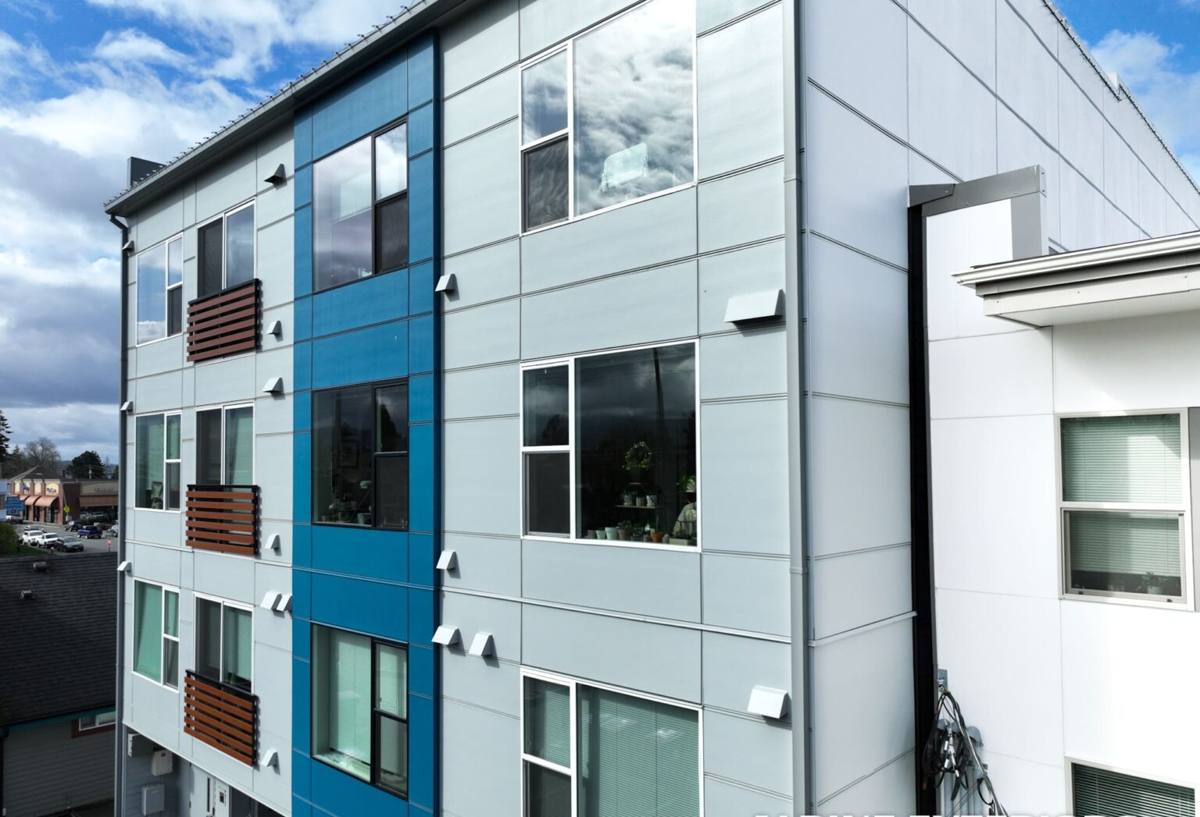
What Florida's Climate Actually Does to a Wall System
Every siding material on every home in this region is fighting the same environmental forces, year-round, not just during hurricane season:
UV exposure
Florida sun is intense and constant. Over years, UV breaks down pigments and surface coatings, leading to fading, chalking, and — on lower-quality or improperly finished products — surface cracking that lets moisture in behind the material.
Wind-driven rain
It's not the rain itself that causes most siding failures — it's rain pushed sideways by wind, forced up under laps, around trim, and into any gap or failed seal. Once water gets behind siding, the damage often happens where you can't see it until it's significant.
Hurricane-force wind events
Even homes that never take a direct hit still get repeated wind loading every storm season — enough to loosen fasteners, flex panels, and stress caulked joints over time. Cumulative wind stress is a major reason siding that looked fine for years suddenly starts showing problems.
Salt air, regionally
Homes closer to the Gulf coast deal with airborne salt accelerating corrosion of fasteners and trim. Wesley Chapel sits further inland than the immediate coastline, so this factor is milder here than in beachside communities — but it's still part of the broader Tampa Bay area climate profile, and it adds up over the life of a home.
The Repair Issues We See Most Often in Wesley Chapel
Some patterns show up again and again on repair calls in this area:
- Buckled or bowed panels from repeated wind flex or improper original fastening (nailed too tight, no room for natural movement)
- Cracked or split boards near corners and openings, often from impact, settling, or age-related brittleness
- Failed caulk joints around windows, doors, and trim — the first place wind-driven rain finds its way in
- Soft or damaged trim boards at roof lines and eaves where water tends to collect and linger
- Chalking, fading, or peeling paint on older or lower-grade siding that was never factory-finished for Florida sun
- Separation at seams and laps where panels have shifted or the original installation didn't leave proper clearance
- Localized moisture damage discovered when one damaged section is opened up and the framing or sheathing behind it tells a different story than the surface did
What a Correct Siding Repair Actually Involves
A repair that's done right is not just cutting out a bad piece and nailing in a new one. It involves a few steps that separate a lasting fix from a temporary patch:
Find out why it failed, not just where
Damage is a symptom. Before we touch a panel, we want to know whether the cause was impact, wind stress, a flashing failure, or ongoing moisture intrusion — because if the underlying cause isn't addressed, the same spot fails again.
Check what's behind the siding
Any time there's evidence of moisture, we look behind the affected area — at the water-resistive barrier, the flashing, and the sheathing — before closing anything back up. Repairing the visible panel over a wet or compromised substrate just delays a bigger repair.
Match the material and the fastening method
Repairs should be installed with the same fastening pattern, clearance, and flashing details the manufacturer specifies — not whatever gets a patch to look okay from the street. Improper fastening is one of the most common reasons a "repaired" section fails again within a year or two.
Reseal and refinish properly
Joints get properly caulked with exterior-rated sealant at penetrations and transitions, and any refinishing is matched as closely as possible to the surrounding siding so the repair doesn't stand out or become its own weak point.
Repair or Replace? How We Make the Call
Not every problem needs a full re-side, and not every problem should be patched. Here's the general framework we use when we're standing in front of your house:
| Situation | Usually a Repair | Usually a Replacement |
|---|---|---|
| Damage extent | Isolated to a few panels or one section of wall | Widespread across multiple elevations |
| Underlying moisture | Localized, caught early | Found in multiple areas or has been ongoing |
| Age of existing siding | Mid-life, otherwise sound material | Near or past its expected service life |
| Cause of damage | Impact, isolated wind event, one bad joint | Systemic installation issues throughout |
| Material match | Same product still available/matchable | Discontinued profile, color, or product line |
We'll always tell you honestly which side of that line your home is on. If a repair is the right call, that's what we'll recommend and price — we don't upsell a full replacement when a targeted fix will hold up.
Our Process, From First Call to Finished Repair
- Inspection: We look at the damaged area and the surrounding siding, not just the spot you called about — related issues often show up nearby.
- Diagnosis: We identify the actual cause (moisture, impact, fastening, flashing) so the repair addresses the source, not just the symptom.
- Written estimate: A clear scope and price before any work starts, with repair vs. replacement laid out honestly if there's a judgment call to make.
- The repair itself: Proper removal, substrate check, correct fastening and flashing, and refinishing to match.
- Final walkthrough: We show you what was done and what we found, especially if we uncovered anything behind the original damage worth knowing about for the future.
Why We Only Repair With James Hardie Fiber Cement
We install and repair James Hardie products exclusively — we don't work in vinyl, LP SmartSide, or other fiber cement brands. That's a deliberate standard, not a limitation of convenience.
For repair work specifically, this matters in a very practical way: Hardie's ColorPlus factory finish is engineered for color consistency and UV resistance, which means a repaired section can be matched far more closely than trying to touch up a field-painted product that's already faded unevenly. Hardie's HZ product lines are also engineered for high-moisture, high-heat climates like ours, so a correctly repaired section performs the same way the rest of the wall does — it isn't a patch made of a different, less durable material bolted onto a fiber cement home.
We won't repair a home's Hardie siding with mismatched material just to save a step, and we won't install a different product as a "quick fix." If a repair calls for material we can source correctly, we do it right; if it doesn't, we'll say so.
Why Hiring a Crew That Already Works Wesley Chapel Matters
Siding repair looks simple from the outside, but a few things about working in this specific area actually matter:
- Familiarity with the mix of home styles and builder details common to Wesley Chapel's newer subdivisions, which affects how trim, corners, and transitions were originally installed
- Understanding of Pasco County permitting requirements for exterior work, so repairs are handled correctly from a compliance standpoint
- Knowledge of common HOA exterior guidelines in planned communities, which can affect approved colors and materials for visible repairs
- Faster response after wind events, since we're not driving in from across the region every time storm season creates a wave of repair calls
A contractor who only occasionally works in this area is guessing at some of this. A crew that works here regularly already knows it.
Keeping Repaired Siding From Needing Repair Again
A good repair should last. A few habits help make sure it does:
- Rinse siding periodically to remove salt residue, pollen, and grime buildup, especially after storms
- Check caulk lines at windows, doors, and trim once a year — this is the most common failure point
- Trim vegetation and irrigation spray back from exterior walls to reduce constant moisture exposure
- Have any new cracking, soft spots, or discoloration looked at early, before the next storm season pushes water into it
- Keep gutters clear so overflow doesn't run down and pool against wall sections
If you're seeing damage, discoloration, or soft spots on your Wesley Chapel home's siding, we're happy to take a look and give you an honest read on what it needs — repair or otherwise. Reach out for a free, no-pressure estimate using the form below.