 Land O'Lakes Siding
 New Roof Installation for Wesley Chapel Homes
Wesley Chapel has grown fast, and a lot of that growth happened during a narrow window of building booms, which means a large share of area roofs are all aging out around the same time. If you're a homeowner here weighing a new roof, you're not just buying shingles and nails — you're buying a system that has to survive Central Florida's combination of intense UV exposure, sudden severe thunderstorms, and the wind-driven rain that comes with tropical systems moving through Pasco County. A roof installed correctly for this climate looks similar to one installed anywhere else in the country, but the details underneath — the underlayment, the fastening pattern, the flashing, the ventilation — are what actually decide whether it holds up.
This page covers what a proper new roof installation involves specifically for Wesley Chapel and the surrounding Land O'Lakes area, so you know what to ask for and what to expect from any crew you hire.
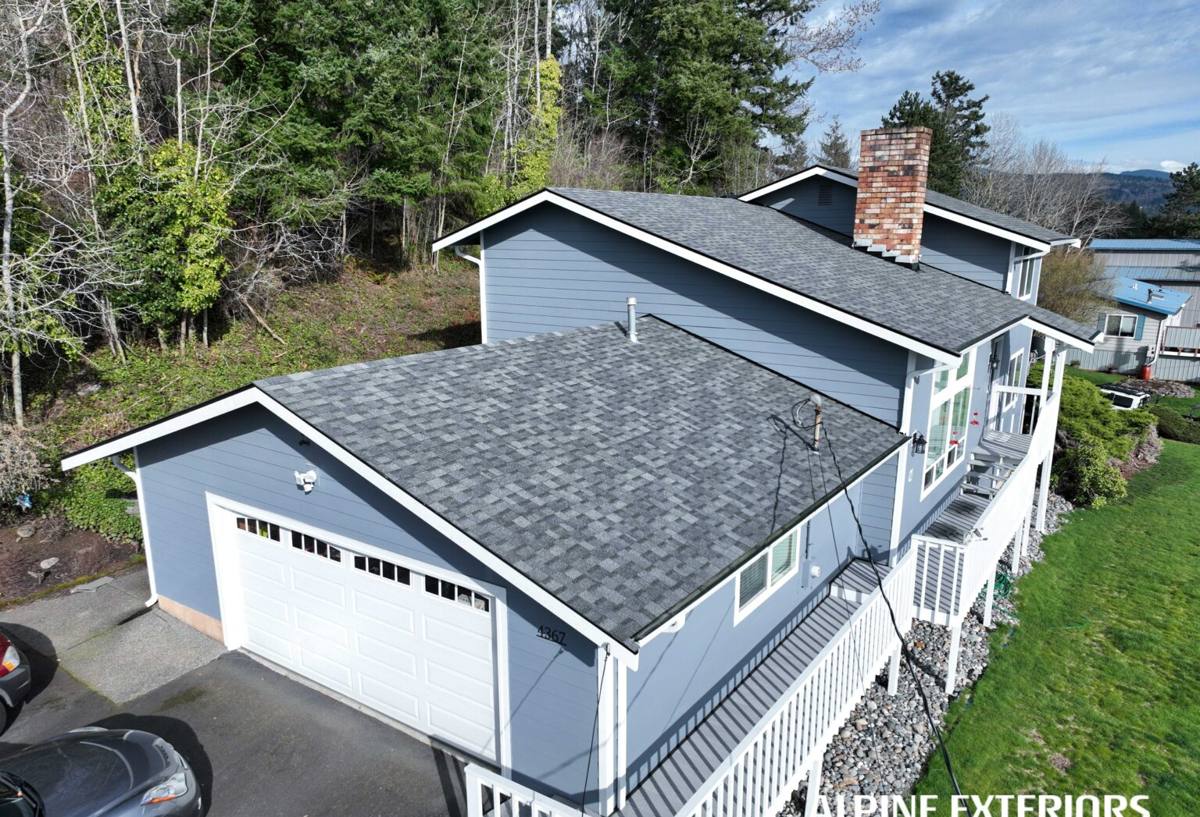
What Wesley Chapel's Climate Demands From a Roof
Wind
Pasco County sits in a region that regularly sees tropical storm and hurricane-force wind events, and even routine summer storms can produce gusts strong enough to lift poorly fastened shingles or flashing. A new roof here needs a fastening schedule and product rating matched to local wind exposure — not the minimum a manufacturer allows for a calmer climate.
UV exposure
Florida sun is relentless nearly year-round. UV breaks down roofing materials from the surface down, drying out asphalt oils and degrading lesser-quality underlayments faster than in northern states. Materials rated for high-UV environments last measurably longer here than budget-grade products that look fine on a spec sheet but weren't designed with Florida sun in mind.
Wind-driven rain
It's rarely just rain — it's rain being pushed sideways into roof edges, valleys, and penetrations. This is where most leaks actually start, not in the open field of the roof. Proper underlayment overlap, sealed valleys, and correctly flashed penetrations matter more here than in drier climates.
Humidity and attic moisture
Even inland, away from the immediate coast, Land O'Lakes and Wesley Chapel see high year-round humidity. Roofs need real attic ventilation to move that moisture out — without it, sheathing and framing can stay damp long after a storm passes, leading to slow rot that isn't visible from the ground.
Signs a Wesley Chapel Roof Needs Replacement, Not Another Repair
- Granule loss showing as bald or shiny patches on shingles, especially on south- and west-facing slopes
- Curling, cupping, or cracked shingles across multiple areas of the roof rather than one isolated spot
- Repeated leaks in different locations after storms, even if each one was patched
- Visible sagging in the roofline or soft spots when walked
- Rusted, loose, or missing flashing around chimneys, skylights, or wall intersections
- A roof approaching or past 20 years old, or nearing the end of its manufacturer warranty
- Daylight visible through the attic decking or damp insulation after rain
If a roof shows two or more of these, patch repairs are usually a short-term delay rather than a real fix. Replacement becomes the more honest recommendation once the underlying materials are compromised broadly rather than in one spot.
What a Correct New Roof Installation Includes
Tear-off and deck inspection
A full tear-off to the deck is standard for a proper replacement — layering new shingles over old hides problems and shortens the life of the new roof. Once the old roof is off, the deck gets inspected for soft or delaminated plywood, which is common on homes that have had a slow leak for a while. Any bad sections get replaced, not covered.
Underlayment built for wind-driven rain
A synthetic or self-adhering underlayment goes down as the roof's real waterproofing layer. Valleys and eave edges — the parts most exposed to wind-driven rain — get extra protection, since that's where the majority of leaks originate on a roof that otherwise looks intact.
Wind-rated fastening
Shingles or metal panels get fastened according to a schedule matched to local wind exposure, not just the manufacturer's baseline minimum. This is one of the most commonly skipped details on lower-bid jobs, and it's the difference between shingles that stay put in a summer storm and ones that don't.
Flashing done right
Chimneys, skylights, sidewalls, and any roof-to-wall intersections get new flashing, not reused old flashing tucked under new shingles. Flashing failure is one of the most common causes of leaks that show up months after a "completed" roof job.
Ventilation
Intake and exhaust ventilation get checked and corrected as part of the job, not treated as an afterthought. Proper attic airflow protects the new roof from the inside out and helps manage the humidity that's a constant factor in this area.
Roofing Material Options for the Area
| Material | Typical Lifespan | Wind/Storm Performance | Considerations for This Climate |
|---|---|---|---|
| Architectural asphalt shingle | 20–30 years | Good, when high-wind rated and properly fastened | Most common choice locally; UV-stabilized products last noticeably longer here |
| 3-tab asphalt shingle | 15–20 years | Lower wind resistance than architectural | Lower upfront cost, but shorter service life under intense Florida sun |
| Standing seam metal | 40–50+ years | Excellent wind uplift resistance | Higher upfront cost, strong long-term value, handles UV and heat well |
| Tile (concrete or clay) | 40–50+ years | Very good when properly fastened and underlayment is sound | Heavier — structure should be verified; underlayment failure is the usual weak point, not the tile itself |
There's no single "best" material for every home — it depends on your roof structure, budget, and how long you plan to stay in the house. We'll walk through the honest trade-offs for your specific roof rather than pushing whatever has the best margin.
Cost Factors Homeowners Should Understand
Every roof is priced individually, but the same handful of factors drive most of the variation between a lower estimate and a higher one:
- Roof size and pitch — steeper roofs take longer and require more safety setup
- Number of layers to tear off — some older homes have more than one layer of shingles underneath
- Deck condition — how much plywood needs replacing once the old roof comes off
- Material choice — asphalt, metal, and tile carry different material and labor costs
- Roof complexity — valleys, dormers, chimneys, and skylights all add flashing work
- Ventilation upgrades — correcting inadequate intake or exhaust ventilation as part of the job
Be cautious of quotes that are dramatically lower than others for the same scope — the gap is usually made up somewhere, whether that's underlayment quality, fastening corners, or reused flashing.
Our Process for a Wesley Chapel Roof Replacement
- On-site inspection — we walk the roof, check the attic, and assess the deck and ventilation, not just the shingles from the ground.
- Written estimate — a clear scope of work and material recommendation, with honest trade-offs explained rather than a single upsell push.
- Scheduling around weather — Florida's storm patterns mean we plan installation windows carefully and keep the roof protected if conditions shift mid-job.
- Tear-off and deck repair — full removal of old roofing and replacement of any compromised decking before anything new goes down.
- Installation — underlayment, flashing, and roofing material installed to a wind-rated fastening schedule appropriate for this area.
- Final walk-through — we review the completed roof with you, including ventilation and any warranty paperwork, before considering the job done.
Why Local Experience in Wesley Chapel Matters
A roofing crew that regularly works Land O'Lakes and Wesley Chapel already understands the housing stock here — the era most neighborhoods were built, the common roof pitches and deck materials, and the way Pasco County's permitting and inspection process works. That familiarity shows up in fewer surprises mid-project and a faster path from estimate to a finished, inspected roof. It also means we're not guessing at wind exposure ratings or guessing what underlayment performs well here — we're building the same system that's already proven out on roofs throughout this area.
A new roof is one of the largest investments most homeowners make in a house, and it's also one of the only components protecting everything underneath it — framing, insulation, drywall, and belongings — from Central Florida's weather. Getting it right the first time matters more here than in milder climates, simply because the roof gets tested harder and more often.
If your Wesley Chapel roof is showing its age or you're planning ahead of storm season, we're happy to take a look and give you a straightforward, no-pressure estimate — just fill out the form below.