 Land O'Lakes Siding
 Why Wesley Chapel Homes Need Siding Built for This Specific Climate
Wesley Chapel sits inland from the Gulf but still takes a beating from the same weather systems that hit the rest of Pasco County: long stretches of intense UV exposure, sudden downpours that come sideways in a stiff wind, and the periodic direct hit or near-miss from a tropical system moving through Central Florida. Add in the humidity that never really goes away for half the year, and you have a set of conditions that punishes siding materials that weren't designed for it. Paint fades and chalks faster here than it does two states north. Wood-based products absorb moisture at the edges and swell. Seams and butt joints that aren't detailed correctly become entry points for wind-driven rain during a named storm.
None of that is unique to any one neighborhood, but it matters when you're picking a siding contractor for a home in Wesley Chapel specifically, because the right answer depends on knowing how this area actually gets weather, not just reading a spec sheet. A crew that works here regularly has already seen how a given product holds up after two or three hurricane seasons in this exact zip code, not just how it performs in a lab.
What "Correct" Fiber Cement Siding Looks Like in This Area
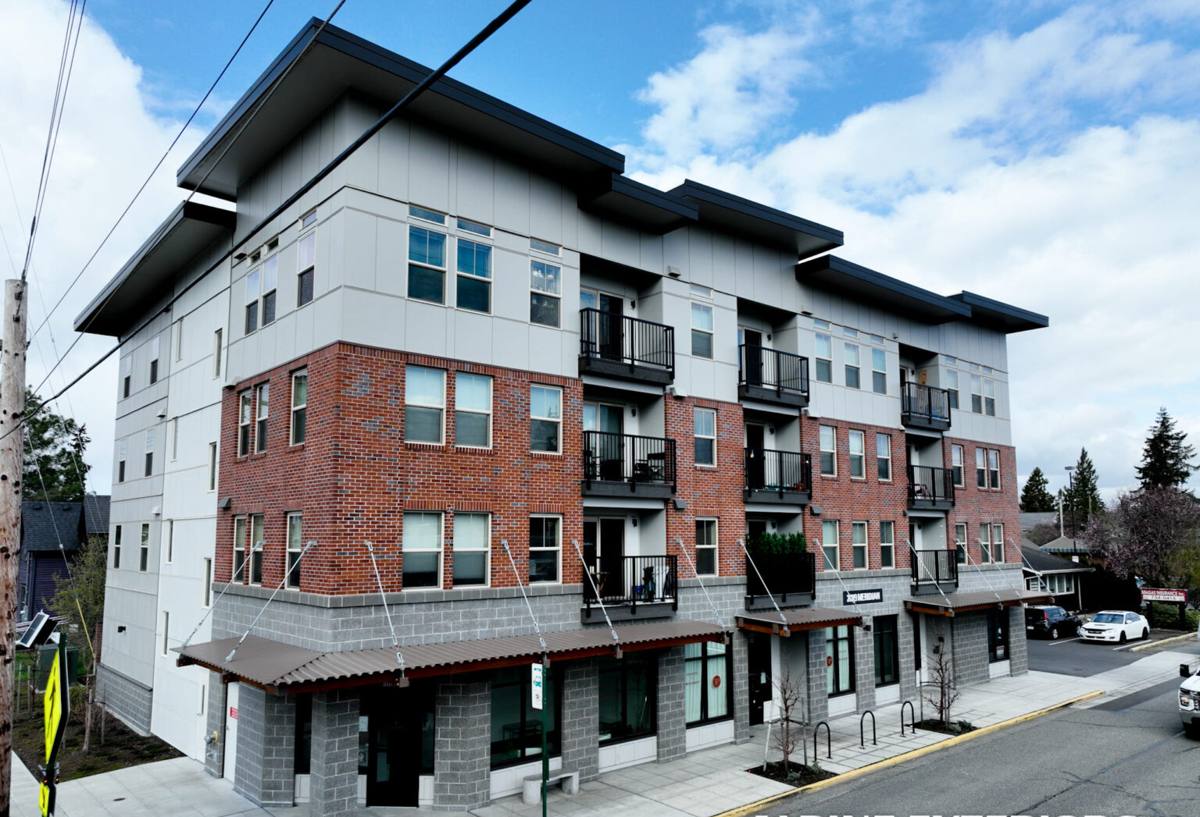
Fiber cement siding is a good match for Pasco County when it's installed to the manufacturer's specification and matched to the right product line for a coastal-influenced, high-UV climate. James Hardie makes that distinction explicit with their HZ5 product designation, which is engineered for hot, humid climates prone to wind-driven rain — exactly the profile Wesley Chapel sits in. A correct installation accounts for several things a rushed or inexperienced crew tends to skip:
- Proper starter strip and clearance off the foundation so the bottom edge of the siding never sits in standing water after a storm
- Correct fastener pattern and depth — over-driven or under-driven nails are one of the most common causes of early siding failure
- Sealed and flashed butt joints, not just caulked, so wind-driven rain can't work its way behind the panel during a tropical system
- Proper gap and sealant at trim, windows, and penetrations, since fiber cement expands and contracts with temperature and humidity swings
- ColorPlus factory-finished panels installed with touch-up product matched to the batch, so field-painted cut edges don't become the first spot to fade
Skipping any one of these doesn't usually show up as a problem in year one. It shows up in year four or five, after a couple of hurricane seasons and a few hundred cycles of Florida sun, as a warped panel, a stained seam, or a section that's failed at the fastener line. That's the gap between siding that was installed and siding that was installed correctly.
Why We Only Install James Hardie
We standardized on James Hardie fiber cement for every siding job we do, including in Wesley Chapel, because it's the product system we trust to perform over the long run in this climate when installed correctly. It's non-combustible, it holds paint and color far longer than wood-based alternatives under intense UV, and the HZ5 line is specifically engineered for the humidity and wind-driven rain profile of this region. We don't install vinyl, LP SmartSide, Cemplank, Allura, or primed wood siding — not because those products have no merit, but because we've made a professional decision to build our installation expertise, our warranty backing, and our reputation around one system we can stand behind completely.
Our Process for a Wesley Chapel Fiber Cement Job
The process doesn't change dramatically from house to house, but the details we pay closest attention to are shaped by what this area's weather does to a home over time.
1. On-Site Assessment
We look at the existing siding or sheathing condition, check for moisture damage behind the current cladding, evaluate window and door flashing, and note anything specific to the home's exposure — a corner that takes the brunt of prevailing wind, a shaded side that stays damp longer after rain, a low section near grade that needs extra clearance.
2. Substrate and Moisture Barrier
Any water-damaged sheathing gets addressed before a single piece of siding goes up. A correctly lapped and sealed weather-resistive barrier goes on next — this layer matters more in a climate that gets wind-driven rain than almost anything else in the job, because it's the backup plan if any water ever gets past the siding itself.
3. Installation to Manufacturer Spec
Panels go up with the fastener pattern, clearances, and joint treatment James Hardie specifies for the HZ5 climate zone. We don't shortcut butt joint sealing or trim gaps to save time, because those are the exact details that fail first in a storm.
4. Trim, Caulking, and Touch-Up
Factory-finished ColorPlus panels get matched touch-up at cut edges and fastener heads so the color integrity that makes ColorPlus worth choosing in the first place isn't compromised by field painting with a different product.
5. Final Walkthrough
We walk the exterior with the homeowner, point out anything they should watch for, and explain the warranty coverage in plain terms.
Why a Crew That Already Works Wesley Chapel Matters
Siding installation quality depends heavily on local experience, not just general skill. A crew that regularly works Pasco County has already dealt with the practical realities of building here: how quickly a summer afternoon storm rolls in and what that means for scheduling exposed work, how the local humidity affects cure times for sealants and adhesives, and what past storm seasons have revealed about which installation details actually get tested by real weather. That's different from a crew doing occasional work in the area between jobs somewhere else. Local familiarity shows up in small decisions — sequencing the job around afternoon storm patterns, knowing which details need extra attention given the area's wind exposure — that add up to a longer-lasting installation.
Cost Factors for Fiber Cement Siding in This Area
Every home is different, but the same handful of factors drive most of the cost variation we see on fiber cement jobs in this part of Pasco County.
| Factor | Why It Affects Cost |
|---|---|
| Home size and story count | More square footage and second-story work both increase labor and material needs |
| Existing siding removal | Tear-off of old vinyl, wood, or damaged material adds labor before installation can start |
| Substrate repair | Water-damaged sheathing found during tear-off needs to be replaced before siding goes on |
| Trim and architectural detail | Homes with more corners, gables, and window/door trim take longer to detail correctly |
| Siding profile and color | Lap width, texture, and ColorPlus color selection affect material pricing |
| Accessibility | Lot size, landscaping, and staging space affect how efficiently a crew can work |
We give homeowners a real, itemized number after seeing the home in person — not a rough phone estimate — because so much of the cost depends on what's actually going on behind the existing siding.
A Practical Checklist Before You Hire
Whether you go with us or another contractor, these are worth confirming before signing anything for a fiber cement siding job in this area:
- Ask which specific James Hardie product line and HZ designation they're quoting, and why it fits this climate zone
- Confirm they carry manufacturer certification for fiber cement installation, not just general contracting experience
- Ask how they handle butt joint sealing and flashing detail — this is where storm-driven leaks start
- Get the fastener schedule and clearance details in writing, not just verbally
- Ask how they handle substrate repair if water damage is found once old siding comes off
- Confirm the warranty terms in writing, including what's covered by the manufacturer versus the installer
Maintenance After Installation
Correctly installed James Hardie siding with a ColorPlus finish needs very little upkeep — no repainting cycle every few years like wood-based siding requires. That said, we recommend homeowners in this area do a simple annual visual check after hurricane season: look for any caulking that's pulled away at trim, any panel that looks like it's shifted, and clear any debris that's built up against the bottom edge of the siding. Catching a small sealant gap early is a five-minute fix. Left through another season of wind-driven rain, it can turn into moisture intrusion behind the panel.
Get a Straight Answer for Your Home
If you're weighing fiber cement siding for a home in Wesley Chapel, we're happy to come take a look, walk you through what we'd actually recommend for your specific exposure and layout, and give you a straightforward, no-pressure estimate — no upsell script, just what the house needs. Fill out the form below to get started.