 Land O'Lakes Siding
 Windows Built for What Wesley Chapel Actually Deals With
Wesley Chapel sits inland from the Gulf, but that doesn't mean the windows on your home get an easy ride. Between the tropical storm season that runs June through November, the wind-driven rain that comes with almost every strong Pasco County thunderstorm, and sun exposure that runs hot and intense nearly year-round, window assemblies here take a beating that homes in milder climates never see. Add in the humidity that never really lets up, and you've got a combination that finds every weak point in a window's seal, frame, and glazing.
A lot of Wesley Chapel is newer construction — many neighborhoods have been built out over the last couple of decades — so a good share of the windows in the area are still original to the house. Original builder-grade windows are usually the minimum the code required at the time, not necessarily the best choice for a home that's going to sit through another twenty hurricane seasons. When we talk about "custom windows," we're talking about matching the window to the house, the opening, and the climate — not just ordering whatever size is closest to what's already there.
What "Custom" Actually Means in Window Work
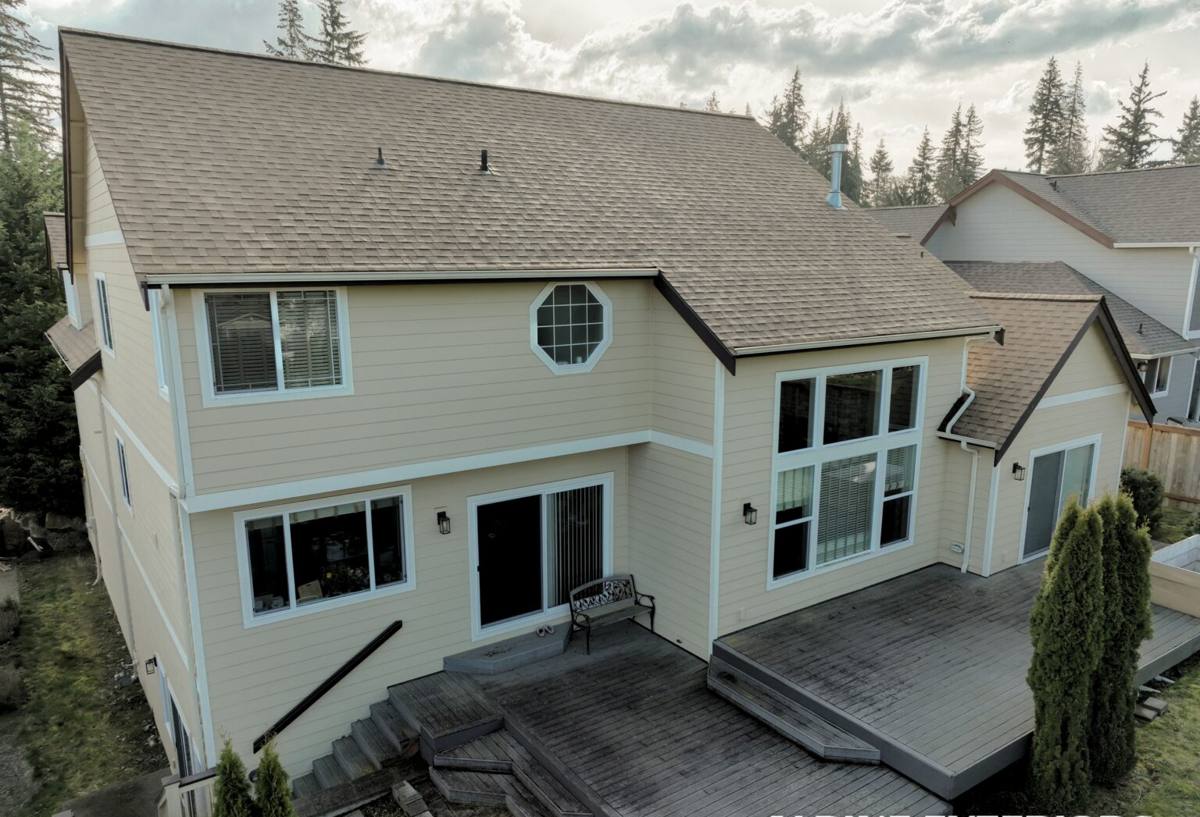
Custom doesn't have to mean an unusual shape or a high-end architectural feature, though we do that work too. Most of the time, custom simply means the window is manufactured to the exact dimensions of your opening rather than pulled off a shelf in a standard size. Older Florida homes, additions, and renovated openings are often slightly out of square or sized differently than what a big-box retailer stocks. Forcing a stock window into an opening it wasn't made for is one of the most common causes of leaks, drafts, and premature failure we see when we're called out to fix someone else's work.
Custom window service also covers:
- Matching frame material and color to your home's existing trim and siding
- Selecting glass performance (impact rating, tint, low-E coating) based on which side of the house the window faces
- Sizing and configuring openings for additions, converted spaces, or replaced bay and picture windows
- Coordinating trim, flashing, and stucco or siding tie-in so the finished opening looks original to the house
When Replacement Makes More Sense Than Repair
Not every window needs to be replaced. Hardware can be repaired, glass can sometimes be replaced in an otherwise sound frame, and weatherstripping is a simple fix. But once you're seeing frame rot, persistent fogging between double-pane glass, warping, or a window that won't lock tight anymore, repair is usually a temporary patch on a problem that's going to come back. In our experience, once a frame has taken on moisture in a humid climate like ours, it rarely fully dries out — it just keeps degrading from the inside.
Signs Your Current Windows Are Working Against You
Most homeowners don't think about their windows until something goes wrong, but there are usually warning signs well before a full failure. Watch for:
- Condensation or fogging between panes of double-glazed glass (a sign the seal has failed)
- Drafts you can feel near the frame on a windy day
- Difficulty opening, closing, or locking a window that used to operate smoothly
- Visible gaps, soft or discolored wood, or cracked caulk around the frame
- A noticeable jump in cooling costs during the hottest months
- Noise from outside that seems louder than it should be
Any one of these can be minor. Several at once, especially on windows facing the prevailing wind and weather side of the house, usually means the window assembly has reached the end of its useful life.
Impact Rating and What Pasco County Requires
Florida's building code sets wind load and impact requirements based on your location's design wind speed, and those requirements get enforced at the permit level, not left to preference. In Pasco County, most replacement window projects need either impact-rated glass or an approved impact protection system, along with a permit and inspection. This isn't a sales pitch for upgrading — it's simply how the process works if you want the job done and closed out legally.
Impact-rated windows use laminated glass with an interlayer that holds together under impact instead of shattering outward. Beyond storm protection, that same lamination cuts down on outside noise and adds a layer of forced-entry resistance, which is a real benefit even outside of hurricane season. The tradeoff is upfront cost — impact glass runs more than standard glass — but it also means you're not adding, storing, and installing shutters or panels every time a storm is forecast.
Permitting and Inspection
A correctly done custom window job in Pasco County includes a permit pulled for the work, product approval documentation showing the windows meet the required wind load and impact standards for your specific address, and a final inspection. Skipping this isn't a shortcut that saves you money — it's a liability that shows up later, either at resale, during an insurance claim, or if the work has to be redone to pass inspection retroactively.
Choosing Frame Material and Glass
There isn't one "correct" window for every Wesley Chapel home — the right choice depends on your budget, the direction the window faces, and how much maintenance you're willing to do. Here's how the common options stack up for our climate:
| Frame Material | How It Handles Our Climate | Maintenance |
|---|---|---|
| Vinyl | Won't rot or corrode; handles humidity well; can soften slightly in direct, intense sun over many years | Low — occasional cleaning |
| Aluminum | Strong and slim profile, good for large openings; conducts heat, so it can feel hotter to the touch and sweat in humid weather | Low, but watch for corrosion near salt air |
| Fiberglass | Very stable in heat and humidity, holds paint well, strong for its weight | Low to moderate |
| Wood-clad | Best interior appearance; the exterior cladding protects the wood, but any breach in that cladding lets moisture reach wood in a humid climate | Higher — needs monitoring at joints and sills |
On glass, the two decisions that matter most here are impact rating (required in most cases, as covered above) and low-E coating, which reflects a portion of solar heat before it ever gets into the house. In a climate where air conditioning runs most of the year, low-E glass isn't a luxury add-on — it's one of the more cost-effective upgrades available at the time of installation, since it's far cheaper to add during a window job than to retrofit later.
How We Handle a Wesley Chapel Window Job
Every property is different, but the sequence of a correct custom window installation doesn't change:
- On-site measurement. We measure every opening individually — even openings that look identical from the outside can be slightly different once you account for settling, prior repairs, or the original construction.
- Product selection. We walk through frame material, glass performance, and impact rating options based on your budget and which elevation of the house the window sits on.
- Permitting. We pull the permit and submit the product approval documentation required for your address before any window is ordered or installed.
- Manufacturing. Custom units are built to the exact measurements taken on-site, which typically takes several weeks depending on the manufacturer and product line.
- Removal and opening prep. The old window is removed carefully, and the rough opening is inspected for hidden rot, moisture damage, or framing issues before the new unit goes in.
- Installation. The new window is set, shimmed level and plumb, mechanically fastened per the manufacturer's and code's requirements, and properly flashed and sealed.
- Finish work. Interior and exterior trim, caulking, and any stucco or siding tie-in is completed to match the surrounding surface.
- Final inspection. The permitted work is signed off by the county inspector, and you're left with documentation for your records and, if needed, your insurance carrier.
What a Correct Installation Actually Involves
The window itself only matters if it's installed correctly — a good window installed poorly will leak and fail long before a mid-grade window installed right. When you're evaluating any window contractor's work, here's what should be happening whether you're watching or not:
- Rough opening checked for level, square, and plumb before the new unit is set
- Any rot, moisture damage, or compromised framing addressed before installation, not covered over
- Proper flashing installed to direct water away from the opening, not just caulk relied on alone
- Fasteners and anchoring that match the manufacturer's specifications and the required design pressure rating
- Continuous sealant bead with no gaps, applied in weather conditions the sealant is rated for
- Interior and exterior trim reinstalled or replaced cleanly, matching the surrounding finish
- Site cleaned up, with old windows and debris hauled away
Energy Performance in Florida Heat and Humidity
Cooling costs in west central Florida are driven almost entirely by how much heat gets into the house, and older single-pane or failed-seal windows are one of the biggest culprits. Beyond low-E glass, a tight, correctly sealed installation matters just as much — a well-rated window installed with gaps in the flashing or sealant will still let conditioned air escape and humid outside air in, which in our climate also raises the risk of condensation and mold at the frame over time. Correctly installed, energy-rated windows won't eliminate your cooling bill, but they take pressure off your HVAC system and even out temperature swings between rooms, especially on the sides of the house that get the most direct afternoon sun.
Why Hiring a Crew That Already Works Wesley Chapel Matters
Window work in this area isn't generic — it involves Pasco County's specific permitting process, product approval requirements tied to local wind load calculations, and an understanding of how the area's newer stucco and siding systems tie into a window opening. A crew that regularly works in Wesley Chapel and the surrounding Land O'Lakes area already has that permitting relationship in place, already knows which product lines carry the right approvals for this wind zone, and isn't learning the county's inspection process on your project. That familiarity translates into fewer surprises, fewer inspection callbacks, and a job that gets closed out instead of left in limbo.
It also matters for accountability. A local, established crew is easy to find if a warranty issue comes up two or five years down the road — which matters in a climate that tests every seal and seam a lot harder than a mild one would.
After Installation: Keeping Your Windows Performing
Even a correctly installed window benefits from basic upkeep in this climate. Rinse frames and tracks periodically to clear salt and pollen buildup, check that weep holes (the small drainage openings at the bottom of the frame) stay clear of debris so water can escape, and inspect exterior caulk lines once a year for cracking or separation, especially after a rough storm season. Catching a small sealant gap early is a five-minute fix; catching it two years late can mean water damage to the wall framing behind it.
If you're weighing whether it's time to replace windows on your Wesley Chapel home, or you're planning a renovation that needs openings sized and permitted correctly from the start, we're happy to take a look and talk through honest options for your specific home. Fill out the form below for a free, no-pressure estimate.