 Land O'Lakes Siding
 Composite Decking Built for Wesley Chapel's Climate
Wesley Chapel sits inland from the Gulf but still gets the full weather package that comes with living in Pasco County: long stretches of intense UV, sudden wind-driven downpours, and the occasional hurricane-force wind event that puts every fastener and footing to the test. A deck built here isn't just an outdoor living space — it's an exterior structure that has to survive Florida's climate year after year without cupping, fading, splintering, or loosening at the connections. Composite decking, installed correctly, handles that exposure far better than wood, but "composite" isn't a single product, and not every installation is built the same way. This page covers what a Wesley Chapel deck actually needs, what a correct composite installation looks like, and how we approach the work in this specific area.
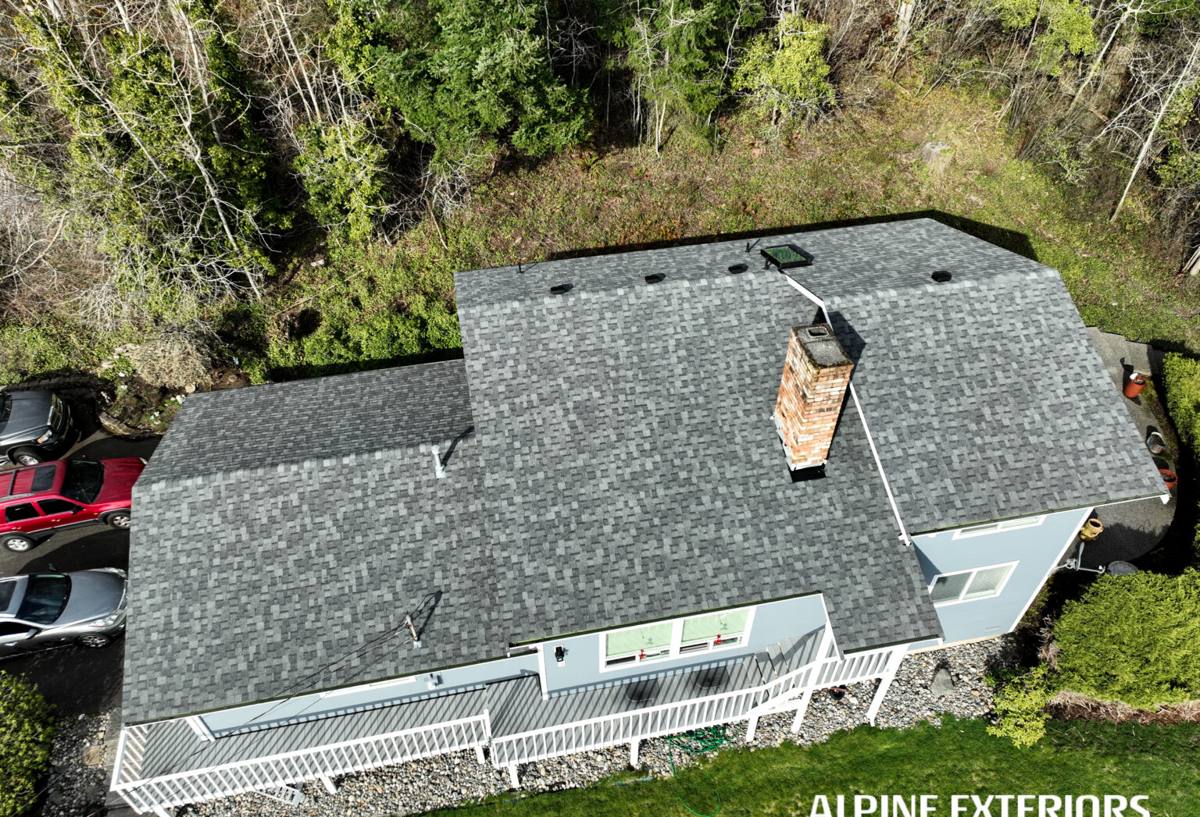
What Wesley Chapel Homes Need From a Deck
Heat and Year-Round UV
Central Florida doesn't get a real winter break from sun exposure. Decking boards left in direct sun for most of the day take a beating from UV radiation twelve months a year, not just in summer. Cheaper composite boards without a real cap layer can fade unevenly, chalk, or lose color faster on the sides that face west and south. We steer customers toward capped composite products specifically because the cap layer is what resists UV fade and surface wear — it's the difference between a deck that still looks good in year eight and one that looks tired by year three.
Wind-Driven Rain and Humidity
Afternoon storms here don't just rain straight down — wind pushes water sideways into railings, against ledger boards, and underneath the deck surface. Combined with Pasco County's humidity, that moisture has to have somewhere to go. Composite boards themselves don't rot, but the substructure underneath — joists, ledger connections, and framing — absolutely can if water gets trapped instead of draining and drying out. Most deck failures we get called out to inspect trace back to a substructure or flashing problem, not a decking-material problem.
Hurricane-Season Wind Loads
Any deck attached to a Wesley Chapel home needs to be built to hold up under hurricane-force wind, which means correct ledger attachment, proper joist hangers, and railing systems that are actually secured to structural framing rather than just fastened to the decking surface. This is a code and engineering question as much as a materials question — the best composite boards available won't matter if the frame underneath isn't built for our wind conditions.
Composite, Wood, or PVC — How They Compare Here
Homeowners in this area usually narrow their decking choice down to three options. Here's how they compare specifically for a Land O'Lakes or Wesley Chapel exterior:
| Material | UV & Fade Resistance | Moisture Behavior | Maintenance |
|---|---|---|---|
| Capped Composite | Strong — cap layer resists fading and chalking | Doesn't rot or absorb water into the board itself | Occasional wash; no staining or sealing |
| Natural Wood | Fades and grays quickly under constant sun | Absorbs moisture, prone to splintering, cupping, and rot at fasteners | Annual sanding, staining, or sealing |
| PVC / Cellular PVC | Very good UV resistance | Fully moisture-resistant but can show more heat expansion in full sun | Low; some products scratch more easily |
We install capped composite decking as our standard recommendation for full-sun, high-humidity lots like most of what you'll find around Wesley Chapel, because it strikes the best balance of durability, appearance, and long-term maintenance for this climate. That's a professional judgment call based on trade-offs, not a claim that other materials can't work in the right application.
Board Color, Texture, and Surface Heat
One detail homeowners don't always think about until they've lived with a deck through a Florida summer: darker composite boards absorb more heat and can get genuinely hot underfoot in direct afternoon sun. Lighter and mid-tone colors with a wood-grain texture stay cooler and also tend to show less surface glare near a pool or patio door. This isn't a defect in the material — it's simple physics — but it's worth factoring into your color choice if the deck gets full sun for most of the day and will be walked on barefoot. We'll talk through color and texture options with your specific site orientation in mind, not just what looks good in a sample board.
What a Correct Composite Decking Installation Involves
Substructure First
The framing underneath the boards is where most long-term problems start. Pressure-treated joists, spaced correctly for the specific composite product being installed (composite typically needs tighter joist spacing than wood decking), proper joist hangers, and a ledger board that's flashed and lagged into real structural framing — not just the rim board — are non-negotiable.
Fastening and Hidden Clips
Most quality composite systems use hidden fastener clips rather than face-screwing every board. Done right, this gives a clean surface with no screw heads to catch water or loosen over time, and it lets the boards expand and contract with heat without splitting. Done wrong — clips spaced too far apart, or paired with the wrong screw type — boards can rattle loose or gap unevenly after a season or two of Florida heat cycling.
Ventilation and Drainage
Air needs to move underneath the deck. We build in proper clearance from grade, gaps for airflow, and grading or drainage paths so wind-driven rain that gets underneath the deck can actually dry out instead of sitting against the framing.
Railings, Stairs, and Code
Railing posts need to tie into structural blocking, not just the fascia board, and stair stringers need to be sized for the actual run and rise, not eyeballed. This is where a lot of DIY builds and low-bid jobs fail inspection or fail structurally, usually in exactly the kind of wind event this area sees.
Cost Factors on a Wesley Chapel Composite Deck
Every deck is priced around its own footprint, framing needs, and finish details, so we won't put a number on your project until we've actually looked at it. What we can tell you is what tends to move the price:
| Factor | Why It Matters |
|---|---|
| Deck size and shape | More linear feet of framing, fascia, and board cuts; multi-level or curved decks add labor |
| Height off grade | Taller decks need more substantial footings, posts, and stair runs |
| Composite product tier | Cap quality, warranty length, and color or texture options vary by manufacturer line |
| Railing system | Composite, aluminum, or cable railing each carry different material and labor costs |
| Existing structure condition | Replacing an old wood deck may require additional framing repair before new boards go down |
Our Process, Start to Finish
We keep the process straightforward so you know what to expect at every step:
- On-site visit to measure, assess grade and drainage, and talk through layout, railing style, and board options
- Written estimate that spells out materials, framing scope, and timeline before any work starts
- Permitting handled for the scope of work, since most deck additions and rebuilds in Pasco County require it
- Substructure built or reinforced first, and inspected before decking goes down
- Composite boards installed with manufacturer-specified fastening and spacing for our climate
- Final walkthrough so you can see the finished railing, stairs, and board layout before we call it done
Maintenance in This Climate
One real advantage of composite decking for Wesley Chapel homeowners is how little upkeep it asks for compared to wood. It still needs some attention:
- Periodic washing to clear pollen, mildew film, and organic debris that builds up in Florida humidity
- Keeping planters, grills, and furniture feet from trapping moisture against the board surface
- Checking railing connections and fasteners once a year, especially after a significant storm
- Clearing leaves and debris from between boards and around drainage gaps so airflow underneath isn't blocked
None of this is the sanding-and-sealing routine that wood decks demand, but skipping it entirely will still shorten the life of any deck, composite or not.
Why Hire a Crew That Already Works Wesley Chapel
Building a deck that holds up here isn't about following a generic install manual — it's about knowing how this specific area's sun exposure, storm patterns, and lot grading behave, and building the substructure and drainage accordingly. A crew that regularly works Land O'Lakes and Wesley Chapel properties already knows what Pasco County permitting expects, how local lots tend to sit relative to grade, and which details actually matter once hurricane season arrives. That local familiarity shows up in fewer surprises mid-build, tighter scheduling around Florida's rainy season, and a deck that's actually sized and engineered for the conditions it has to survive — not just the conditions on a manufacturer's spec sheet written for a different climate entirely.
It also means we're not guessing at how a product performs here. We've seen how different composite lines hold up after a few Florida summers, which is a different kind of knowledge than a sales brochure, and we're straightforward with customers about which products and details are worth paying for and which are just upsells.
If you're weighing a new composite deck or a replacement for an aging wood deck in Wesley Chapel, we're happy to walk the property, look at your framing or grade, and put together a straightforward, no-pressure estimate using the form below.