 Land O'Lakes Siding
 Storm Damage Roof Repair for Stagecoach Village Homes
When a summer storm rolls through Land O'Lakes, Stagecoach Village doesn't get spared. The neighborhood sits under the same storm tracks that bring straight-line winds, hail-bearing thunderstorms, and tropical systems to the rest of Pasco County, and the roofs here take the hit first. Whether it's a handful of lifted shingles after a fast-moving squall or more serious wind and water intrusion after a named storm, the roof is what stands between your home and the next round of Florida weather.
This page covers what storm damage repair looks like specifically for homes in Stagecoach Village — what the local climate does to roofs here, what a correct repair actually involves, and how we approach the work from first inspection to final sign-off.
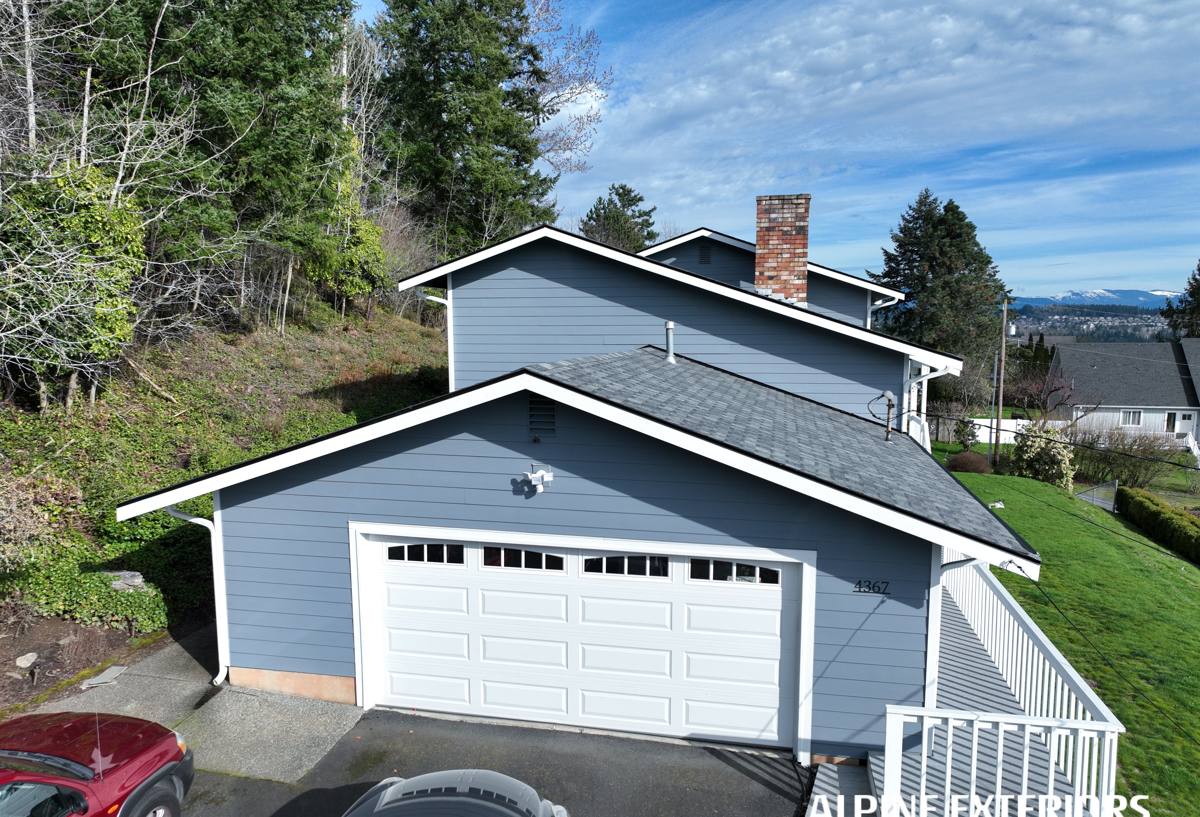
Why Storm Damage Adds Up Fast in This Climate
Land O'Lakes sits inland from the Gulf, but the weather that moves through this part of Pasco County is still shaped by it. Warm, moisture-heavy air off the Gulf fuels the pop-up thunderstorms that hit almost daily in summer, and tropical systems that track across the peninsula bring hours of sustained wind and horizontal rain. None of this is unique to Stagecoach Village, but it's worth understanding because it explains why roofs here fail in specific, repeatable ways.
The Four Stressors That Matter Most
- Hurricane-force and straight-line wind: Even outside a named storm, wind gusts from summer thunderstorms can exceed what a shingle's sealant strip was designed to hold, especially on roofs that are already a few years past their prime.
- Intense, near-constant UV exposure: Central Florida sun bakes asphalt shingles and dries out sealants year-round, making materials more brittle and more likely to crack or tear when wind hits them.
- Wind-driven rain: Rain that comes in sideways doesn't behave like rain falling straight down — it can work its way under shingles, around flashing, and into gaps that would stay dry in a calmer storm.
- Regional humidity and marine air influence: The moisture load in this part of the Gulf Coast region accelerates corrosion on exposed metal fasteners, flashing, and vent components over time, which weakens a roof's defenses before the next storm even arrives.
Individually, none of these is dramatic. Together, over years of Florida seasons, they're why a roof that looks fine from the driveway can have real vulnerabilities once a storm actually tests it.
What Storm Damage Actually Looks Like
Storm damage isn't always a hole in the roof. Most of what we find on Stagecoach Village homes after a storm falls into a few categories:
Wind Damage
Lifted, creased, or missing shingles are the most common finding. Wind doesn't have to remove a shingle to damage it — a shingle that's been lifted and re-sealed by the sun can look normal but no longer has a working seal, which means the next storm will find it first.
Impact Damage
Hail and wind-thrown debris (branches, loose gutters, even nearby roofing material) can bruise or puncture shingles. Impact damage is often subtle — a soft spot or granule loss that's easy to miss without getting on the roof.
Flashing and Penetration Failures
Flashing around chimneys, vent pipes, and roof-to-wall transitions is where most active leaks start. Wind can loosen flashing without visibly damaging the surrounding shingles, so a leak can show up inside the house well before there's anything obvious to see outside.
Water Intrusion Without Visible Roof Damage
Sometimes the roof surface looks intact but wind-driven rain has still found a way in through an aging seal, a gap at a fastener, or a compromised underlayment. This is one of the reasons a thorough inspection after a significant storm matters even when nothing looks obviously wrong from the ground.
What a Correct Storm Damage Repair Involves
A proper storm damage repair isn't just "replace what's missing." It's a diagnostic process followed by a repair that addresses the actual cause of the damage, not just the visible symptom.
- Full roof inspection, not a spot check. We look at the whole roof system — shingles, flashing, vents, underlayment where exposed, and the attic interior — because storm damage in one area often signals stress in another.
- Documentation of what's damaged and why. Photos and notes on the specific type of damage (wind, impact, water) matter both for the repair plan and for any insurance claim.
- Matching materials correctly. Replacement shingles or flashing need to match the existing roof's material, profile, and where possible, color and age, so the repair doesn't create a mismatched patch or a new weak point.
- Addressing the underlying seal and flashing, not just the surface. If shingles failed because a sealant strip gave out, replacing the shingle without checking the surrounding seal just sets up the next failure.
- Verifying water hasn't already gotten into the decking or attic. A repair that covers a wet or compromised deck without addressing it is a repair that will need to be redone.
Repair or Replace? What Actually Drives That Decision
Not every storm-damaged roof needs full replacement, and not every roof with a few lifted shingles is fine with a quick patch. The right call depends on a handful of concrete factors, not guesswork.
| Factor | Points Toward Repair | Points Toward Replacement |
|---|---|---|
| Age of roof | Under roughly 10-12 years, still within useful life | Near or past its expected service life for the material |
| Extent of damage | Isolated to one section or slope | Spread across multiple slopes or widespread granule loss |
| Condition of undamaged areas | Remaining shingles are still flexible and well-sealed | Remaining shingles are brittle, curling, or already failing |
| Decking condition | Decking is dry and sound under the damaged area | Decking shows rot, soft spots, or repeated water staining |
| Storm history | First significant damage event in years | Repeated damage or repair cycles on the same roof |
We'll walk you through where your roof lands on each of these before recommending one path over the other. A repair should genuinely solve the problem — if it won't hold up, we'll say so plainly rather than patch something that's going to fail again next storm season.
How Our Storm Damage Repair Process Works
The process is straightforward, and we keep you informed at each step:
- Initial contact and scheduling: We get basic details about the damage and schedule an inspection, prioritizing active leaks.
- On-site inspection: We assess the roof in person — this isn't a drive-by estimate. We get on the roof and check the attic when access allows.
- Written findings and repair plan: You get a clear explanation of what's damaged, why it happened, and what the repair involves, along with an honest cost range.
- Insurance documentation, if needed: If you're filing a claim, we provide the photos and damage documentation your adjuster will need. We don't handle the claim for you, but we make sure the documentation supports what actually happened to the roof.
- Repair work: Materials are matched to your existing roof, and the work addresses both the visible damage and the underlying cause.
- Final walkthrough: We show you what was done and confirm the repair is sound before we consider the job finished.
Why It Matters to Hire a Crew That Already Works Stagecoach Village
Storm damage repair isn't a generic service — the right approach depends on knowing how local homes are built and what this part of Pasco County's weather actually does to them over time. A crew that regularly works in Stagecoach Village and the surrounding Land O'Lakes area already has a working sense of the common roofing materials and rooflines in the neighborhood, which means less guesswork and a faster, more accurate inspection.
There's also a practical, seasonal reality: after a significant regional storm, roofing crews get busy fast, and homeowners who wait to find a contractor can end up with tarps on their roof for weeks. Having a local relationship in place — or at least knowing who to call quickly — matters more here than in a lot of trades.
What to Do Right After You Notice Storm Damage
What you do in the first day or two after a storm can affect both the extent of the damage and how smoothly an insurance claim goes, if one is needed.
- Do not get on the roof yourself — storm-damaged roofing can be unstable even when it doesn't look it.
- Photograph any visible damage from the ground, along with interior ceiling stains or active drips.
- Note the date and general conditions of the storm event for your records.
- Address active leaks with a bucket or tarp over the interior space if it's safe to do so, to limit interior damage.
- Avoid signing anything or paying a deposit to a contractor who shows up unsolicited door-to-door right after a storm — get an independent inspection first.
- Schedule a professional inspection promptly, even if the damage looks minor from the ground.
Let's Take a Look
If your Stagecoach Village home has visible storm damage, a suspected leak, or you just want a roof checked after a rough storm season, we're happy to take a look. The estimate is free, there's no pressure to move forward, and you'll get a straight answer about what your roof actually needs. The form below is the easiest way to get started.