 Land O'Lakes Siding
 Roofing in a Lake Padgett Microclimate
Lake Padgett sits inland from the Gulf, but "inland" doesn't mean sheltered. Homes around this Land O'Lakes community deal with the same hurricane-season wind loads as the rest of Pasco County, plus a few conditions that are more particular to the neighborhood: mature tree canopy over many lots, proximity to the chain of lakes and canals that give the area its name, and long, unbroken exposure to Florida sun for most of the year. None of that is exotic, but together it adds up to a roof that ages differently than one on a treeless lot a few miles away. A roof replacement here has to account for all of it at once, not just the material on top.
We work roofs throughout Land O'Lakes and the surrounding Pasco County area regularly, and Lake Padgett shows up on our schedule often enough that we know its patterns: where shingles tend to fail first, which roof lines catch the most wind-driven rain, and where tree debris causes the most wear. This page covers what that means for a full roof replacement specifically — not a repair, not a general overview of roofing, but a straight look at what a correct replacement job looks like for a Lake Padgett home.
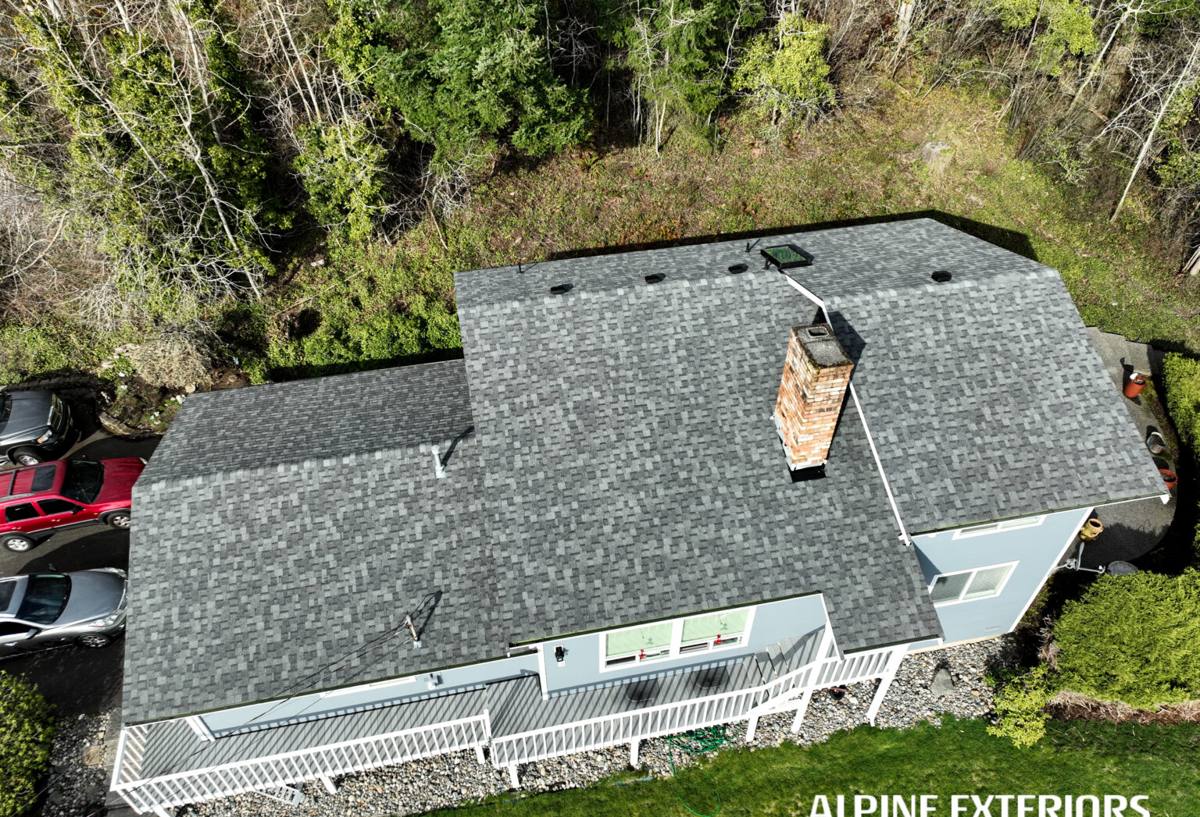
Why Lake Padgett Roofs Wear the Way They Do
Every roof in this part of Florida is fighting the same basic forces: intense year-round UV, wind-driven rain during storm season, humidity that never really lets up, and the occasional hurricane-force wind event. Lake Padgett adds a few local wrinkles to that baseline.
Tree Canopy and Organic Debris
Many Lake Padgett properties have larger, well-treed lots compared to newer subdivisions closer to US-41 or SR-54. That canopy is part of what makes the area attractive, but it also means more leaf litter, pine needles, and branch debris landing on the roof year-round. Organic debris that collects in valleys and against roof penetrations holds moisture against the roofing material long after a storm has passed, which speeds up granule loss on shingles and can accelerate rot at the deck level if it's left unaddressed for years.
Humidity Near the Water
Homes closer to the lakes and canals sit in a slightly more humid microclimate than those further from the water. That doesn't damage a roof by itself, but it does make attic ventilation and underlayment choice more important — trapped moisture under a poorly ventilated roof deck causes problems that show up as sheathing damage long before the shingles themselves look worn.
Wind and Sun, the Constants
Land O'Lakes sits inland enough to avoid the highest coastal wind-speed design requirements, but Pasco County is still squarely in hurricane territory, and every roof here is built and permitted with that in mind. Meanwhile, UV exposure is relentless nearly twelve months a year — it's the single biggest reason asphalt shingles lose their flexibility and granule coating over time, regardless of tree cover or lake proximity.
Signs a Lake Padgett Roof Needs Replacement, Not Another Repair
Repairs make sense for isolated damage — a cracked pipe boot, a handful of wind-lifted shingles, a small leak around a single penetration. Replacement becomes the honest recommendation when the roofing system as a whole is past the point where patching it is a good use of money. Common signs we look for on Lake Padgett homes:
- Granule loss heavy enough that you can see bare, shiny patches of shingle from the ground
- Shingles that are cupping, curling at the edges, or cracking when lightly flexed
- Soft spots or slight sagging when walking the roof deck, which usually points to underlying wood damage
- Repeated leaks in different locations after previous patch jobs
- Streaking, staining, or persistent moss/algae growth in shaded, tree-covered sections
- Visible daylight or moisture staining in the attic, especially near valleys and penetrations
- A roof at or past the manufacturer's expected service life for the material installed
If a roof is showing two or three of these at once, patching individual spots usually just delays a bigger bill rather than solving the underlying problem.
Choosing a Roofing Material for This Kind of Lot
There's no single "best" roofing material for Land O'Lakes — the right choice depends on budget, how long you plan to stay in the home, and how much of the lot is shaded. Here's an honest comparison of the options we install most often on Lake Padgett-area homes.
| Material | Typical Lifespan | Best Fit For | Trade-Offs |
|---|---|---|---|
| Architectural asphalt shingle | 20–30 years | Most homes; best balance of cost and durability | Shortest lifespan of the three; UV and heat exposure matter more |
| Metal (standing seam or coated panel) | 40–50+ years | Owners planning to stay long-term; sheds debris and wind well | Higher upfront cost; installation quality is critical to performance |
| Concrete or clay tile | 40–50+ years | Homes where tile is already the architectural style | Heaviest option — deck must be engineered for the load; underlayment failure is the real risk, not the tile itself |
For homes under heavy tree cover, we generally steer clients away from anything that traps organic debris in tight profiles, since that debris holds moisture against the surface. For lake-adjacent and canal-front lots, we pay closer attention to fastener corrosion resistance and underlayment quality, since humidity exposure is a little more constant there than elsewhere in Land O'Lakes.
What a Correct Roof Replacement Actually Involves
"Replacement" should mean the whole system gets rebuilt correctly, not just new shingles laid over old problems. Here's what that looks like when it's done right.
1. Tear-Off and Deck Inspection
Every layer of the old roofing comes off down to bare deck. This is the only point in the job where hidden damage — soft plywood, old leaks, rot around penetrations — is actually visible. Any damaged decking gets replaced before anything new goes down; nailing new roofing over a compromised deck is how roofs fail early.
2. Underlayment
A synthetic or self-adhered underlayment goes down as the roof's real waterproofing layer — the shingles or tiles on top are the first line of defense against wind and sun, but the underlayment is what actually keeps water out if anything above it is compromised during a storm. This step matters more in a humid, lake-adjacent area than almost anywhere else in the job.
3. Flashing and Penetrations
Flashing around chimneys, skylights, vent stacks, and roof-to-wall transitions gets replaced, not reused. Old flashing is one of the most common leak points on roofs that were "replaced" with shortcuts, because reused flashing has already flexed and corroded through prior seasons of wind and heat.
4. Roofing Material Installation
Shingles, metal panels, or tile go down to manufacturer specification and local wind-load requirements, with attention to nailing pattern and exposure — the details that determine whether a roof holds up in a wind event or loses shingles in the first serious storm.
5. Ventilation Check
Intake and exhaust ventilation get evaluated and corrected as part of the job, not treated as optional. A new roof installed over a poorly ventilated attic will still trap heat and moisture underneath it.
6. Cleanup and Final Walkthrough
Magnetic sweeps for nails, debris removal, and a final walkthrough so you know exactly what was done and what to expect going forward.
Permits, Code, and Wind Requirements in Pasco County
Roof replacements in Land O'Lakes are permitted work under the Florida Building Code, administered through Pasco County. That means the new roof has to meet current wind-uplift and fastening requirements — not just whatever standard was in place when the house was originally built. This is one of the most common gaps we find with unpermitted or "handshake" roofing jobs: a roof that looks fine but wasn't actually installed or inspected to current code, which can become a real problem at resale or with an insurance claim after storm damage.
We pull permits and schedule required inspections on every full replacement. It adds a small amount of time to the process, but it's what protects you if a wind event causes damage later and an insurance adjuster asks how the roof was installed.
Ventilation and Moisture Control
Attic ventilation doesn't get much attention from homeowners until it's already causing problems, but it's one of the biggest factors in how long a roof actually lasts in this climate. A properly balanced system pulls hot, humid air out through the top of the attic while pulling cooler air in at the eaves. Without it, heat and moisture build up under the deck year-round, which shortens shingle life from underneath and can lead to sheathing damage that has nothing to do with the roofing material itself.
On homes with heavy tree cover, shaded sections of the roof can also stay damp longer after rain, which makes adequate airflow even more important for that side of the house. We check and correct ventilation as a standard part of every replacement rather than treating it as an upgrade.
Working Around Mature Trees and Lakefront Lots
A lot of Lake Padgett properties have features that make the roofing job itself a little different from a bare-lot new-construction home: overhanging tree limbs, tighter equipment access on wooded lots, and in some cases proximity to the water that requires extra care with debris and material staging. None of this changes what a correct roof looks like when it's finished, but it does change how the job gets planned — where dumpsters and material lifts can actually go, how tear-off debris gets contained so it doesn't end up in landscaping or nearby water, and how much trimming (if any) needs to happen before crews can safely access certain roof sections.
A crew that's worked this neighborhood before plans for these logistics up front instead of discovering them mid-job.
What to Ask Before You Hire a Roofing Contractor
Roofing is one of the more common trades for lowball bids and shortcut work, especially after storm season when out-of-area crews come through Pasco County looking for quick jobs. A few questions separate a legitimate local contractor from a risk:
- Are you licensed to perform roofing work in Florida, and can you provide that license number?
- Will you pull the permit yourself, or is that left to me?
- What underlayment and flashing are included, specifically — not just the shingle or tile brand?
- Is tear-off to bare deck included, or is this an overlay?
- What happens if deck damage is found once tear-off starts — is that a change order or a surprise?
- Do you carry liability insurance and workers' compensation coverage?
- What's the manufacturer's warranty versus your own workmanship warranty, and what voids each one?
- Can I get that estimate in writing with materials, scope, and timeline spelled out?
Any contractor who hesitates on these, especially the license and permit questions, is worth walking away from.
How We Handle a Lake Padgett Roof Replacement
Our process starts with an on-site inspection, not a drive-by estimate — we get on the roof, check the attic, and look at the deck condition where it's visible before quoting anything. From there we walk through material options against your budget and how long you plan to stay in the home, put together a written scope that spells out tear-off, underlayment, flashing, and ventilation work (not just the finish material), and handle the permit through Pasco County ourselves. During the job, we protect landscaping and any nearby water features from debris, and we do a final walkthrough with you before calling the job complete.
We're not the crew that shows up once after a storm and disappears. We work Land O'Lakes and the Lake Padgett area regularly, which means we're reachable for warranty questions or a follow-up inspection years after the job, not just during hurricane season.
If your roof is showing its age or storm damage has you wondering whether it's time, we're happy to take a look. Fill out the form below for a free, no-pressure estimate — we'll tell you honestly whether you need a full replacement or whether a repair will still get you a few more good years.