 Land O'Lakes Siding
 Windows Built for a Land O'Lakes Climate, Not a Showroom
Oakstead homes take a different kind of beating than a house in a milder climate. Pasco County sits in a zone where builders have to plan for hurricane-force wind loads, and even outside of storm season, the daily wear is real: intense year-round UV that breaks down seals and fades frames, wind-driven rain that finds every gap in a bad installation, and a steady dose of salt-tinged air moving in off the Gulf that speeds up corrosion on hardware and fasteners. A window doesn't have to survive a named storm to fail here — it just has to sit through a few years of normal Florida weather with a mediocre install.
That's the part homeowners often miss. The window unit itself — vinyl, aluminum, impact glass, whatever you choose — is only half the equation. The other half is how it's set into the wall: the flashing, the sealant, the fasteners, the shimming, the flashing tape. Get that wrong and even a good window will leak, rot the framing around it, or fail a wind event it was rated to survive. We install windows in Oakstead and the surrounding Land O'Lakes area specifically to hold up to this climate, not just to look right on install day.
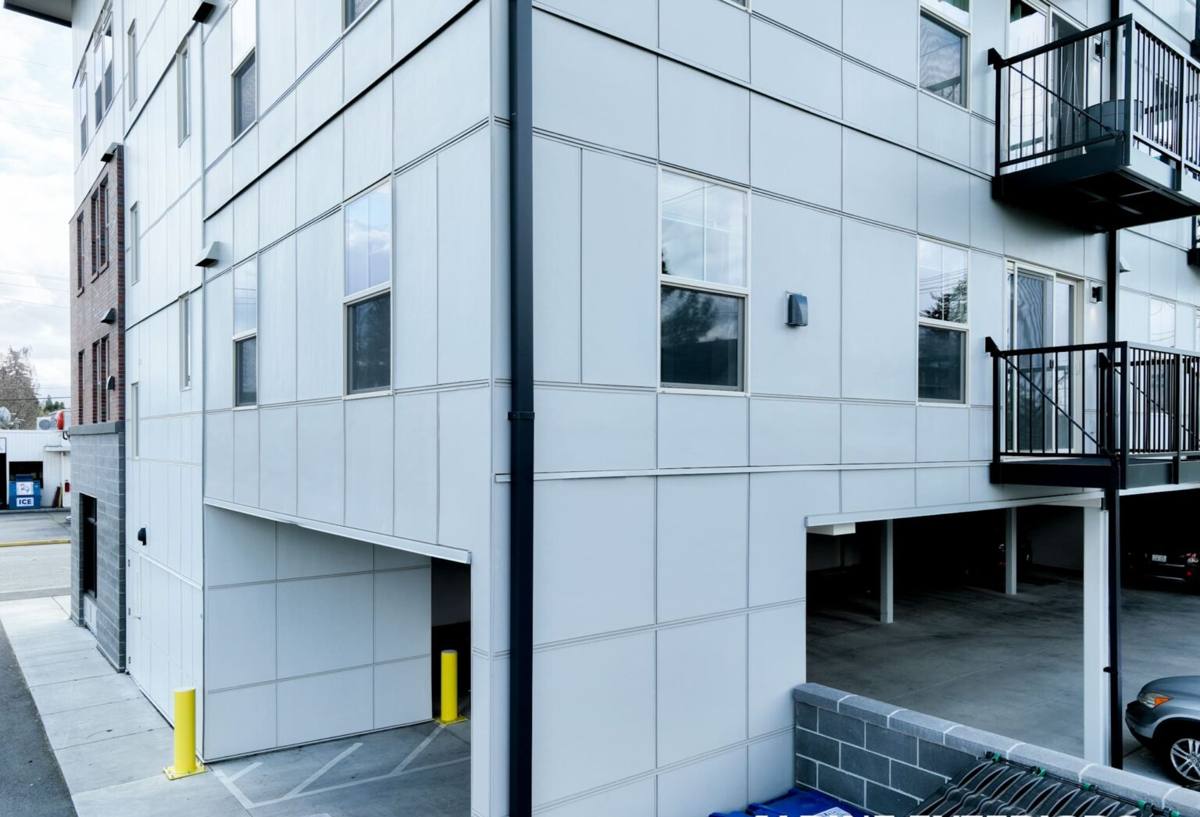
What a Correct Window Installation Actually Involves
A lot of window "replacements" are really just swapping the sash and calling it done. That works for a low-cost cosmetic fix, but it doesn't address what's usually failing first: the opening itself. A proper installation in our climate includes:
- Removal down to the rough opening — so we can actually see the condition of the framing, sill, and any hidden water damage before it's covered back up.
- Correct flashing and drainage — a sill pan and properly lapped flashing tape so any water that gets past the exterior sealant has somewhere to go besides your wall cavity.
- Continuous, compatible sealant — a bead that's rated for sun and moisture exposure, applied without gaps, and compatible with the window frame material.
- Proper shimming and squaring — a window that's out of square binds, doesn't seal evenly, and stresses the frame every time it's opened or during wind loading.
- Fasteners rated for the wind zone and spaced to spec — not just "enough screws to hold it in," but the count and spacing the window's approved installation instructions call for.
- Interior and exterior trim finished correctly — so the whole assembly looks finished and there's no exposed gap for pests or water.
Skip any one of these steps and you can end up with a window that looks fine for a year or two, then starts showing water stains, fogging between panes, or a soft spot in the drywall below the sill.
Signs Your Windows in Oakstead Are Due
Homes in this part of Land O'Lakes cover a range of ages, so we see everything from original builder-grade windows to units that have already been replaced once. A few signs it's time to have someone look:
- Fogging or a visible haze between the panes of double-pane glass — the seal has failed and the insulating gas is gone.
- Windows that are hard to open, don't latch flush, or have visibly sagged in the frame.
- Soft drywall, staining, or a musty smell near the sill after heavy rain.
- Noticeable heat coming through the glass or frame on a summer afternoon, even with blinds closed.
- Chalky, faded, or pitted exterior frames — a sign the material has taken sustained UV damage.
- Visible daylight or a draft around the frame when the window is closed and latched.
- Rising cooling bills without any other explanation.
Any one of these on its own might not mean full replacement — sometimes it's a resealing or hardware fix. But if you're seeing two or three together, the window assembly itself is usually the problem.
Frame and Glass Options: What Actually Matters Here
There's no single "best" window for every house — it depends on your budget, your home's exposure, and how much of the storm-prep decision you want the window itself to carry versus shutters or panels. Here's how the common options stack up for a Pasco County home:
| Option | Wind/Impact Performance | Maintenance | Typical Trade-off |
|---|---|---|---|
| Standard vinyl, non-impact | Meets code with shutters/panels as separate protection | Low — no painting, won't rust | Lowest upfront cost, but you still need a separate storm plan for openings |
| Impact-rated vinyl or fiberglass | Glass and frame engineered to resist wind-borne debris — no separate shutters needed | Low to moderate | Higher upfront cost, offset by no shutter install/storage and often lower insurance |
| Aluminum frame | Strong, but prone to corrosion near salt air over time without good finish quality | Higher — finish and hardware need attention in coastal-influenced air | Slim sightlines, but not always our first recommendation this close to the Gulf |
| Low-E insulated glass (either frame) | No direct wind benefit, but cuts UV and heat transfer significantly | Low | Modest cost add, real difference in summer cooling load and fabric/floor fading |
Our default recommendation for most Oakstead homes is an impact-rated window with Low-E glass — it addresses wind, UV, and daily comfort in one product, and it means one less thing to install or store before a storm. But if your goal is a straightforward budget replacement and you already have a solid shutter or panel system, a standard non-impact window installed correctly is a legitimate option too. We'll walk through what fits your situation rather than push one answer.
A Word on Why Installation Quality Outweighs Brand
We get asked which manufacturer is "best" more than almost anything else. Honestly, several reputable manufacturers make solid products at every price point. What we've found matters more is installation discipline — flashing, sealant compatibility, fastener spec, and squaring. A premium window installed loosely will underperform a mid-range window installed correctly. We'd rather talk through your budget and get the install right than upsell a product line.
Our Process, Start to Finish
- On-site assessment. We look at your current windows, the framing behind them, and your home's specific exposure — a west-facing wall or an unshaded elevation gets different consideration than a sheltered one.
- Straightforward proposal. Frame material, glass package, and a real number — no bait pricing that changes once we're on site.
- Measurement and ordering. Windows are measured to your actual rough openings, not assumed standard sizes.
- Removal and inspection. Old units come out down to the opening so we can catch any hidden rot or water damage before the new window goes in — not after.
- Installation to spec. Sill pan, flashing, shimming, fastener schedule, and sealant done to the window manufacturer's approved method and local code.
- Finish and walkthrough. Interior and exterior trim completed, every window operated and checked, and a walkthrough so you know what was done and why.
- Cleanup. Old units and debris hauled off — you're not left staging a dumpster in your driveway.
Why a Crew That Already Works Oakstead Matters
Oakstead is a large, established community, and homes here tend to share certain construction patterns — similar builder specs, similar window openings, similar exposure issues depending on which side of the neighborhood you're on. A crew that's already worked in the area isn't guessing at what's behind your exterior wall or what kind of flashing detail your home's era of construction typically has. That familiarity shows up in fewer surprises mid-install and a more accurate initial estimate.
It also matters for anything that touches your HOA. If your community has architectural guidelines around frame color, grid pattern, or exterior appearance, it's worth checking before you order — we're happy to help you figure out what documentation, if any, your HOA wants to see, but that approval is on the homeowner's side, not something a contractor can waive.
Permits and Wind Ratings — Handled, Not Skipped
Window replacement in Pasco County is permitted work, and for good reason — the permit and inspection process is what confirms the installation meets the wind load and impact requirements for our area. We pull the required permits and schedule inspections as part of the job; that's not an upsell, it's how you know the work is verifiable if you ever sell the home or file an insurance claim. Be cautious of any contractor offering to skip the permit "to save time" — it usually means the work isn't going to hold up to inspection scrutiny, and it can leave you without documentation you'll want later.
After Installation: Keeping Windows Performing in This Climate
New windows still need a little seasonal attention here:
- Rinse frames and tracks periodically to clear salt residue and pollen buildup that can accelerate wear.
- Check exterior sealant lines once a year, especially after a rough storm season, and have any cracked or separated caulk addressed before it becomes a leak path.
- Lubricate hardware and tracks so latches and rollers don't seize or corrode.
- Keep an eye on the interior sill after heavy wind-driven rain the first year — it's the easiest early warning sign if anything needs adjustment.
None of this is heavy maintenance, but a five-minute check twice a year goes a long way toward getting the full lifespan out of the investment.
Get a Straight Answer on Your Windows
If your Oakstead home's windows are fogging, drafting, hard to operate, or just original to a house that's had a few storm seasons behind it, it's worth having a local crew take a look before you decide what to do. We'll give you a straightforward, no-pressure estimate — what we'd recommend, what it costs, and why — using the form below.