 Land O'Lakes Siding
 Roof Repair for Suncoast Meadows Homes
Suncoast Meadows sits within Land O'Lakes, in Pasco County, and like every neighborhood in this part of the Gulf Coast, its roofs take a beating that homeowners further inland never have to think about. This page is focused on one thing only: roof repair for homes in and around Suncoast Meadows. Not a full tear-off, not a sales pitch for a whole new roof you don't need — just an honest look at what goes wrong with roofs here, what a proper repair actually involves, and why it matters to work with a crew that already knows this area.
Most roofs don't fail all at once. They fail in small, specific spots — a lifted shingle tab, a cracked tile, a flashing seam that finally gave out after years of expansion and contraction. Catching and correctly fixing those spots is what keeps a 20-plus-year roof from turning into a premature replacement.
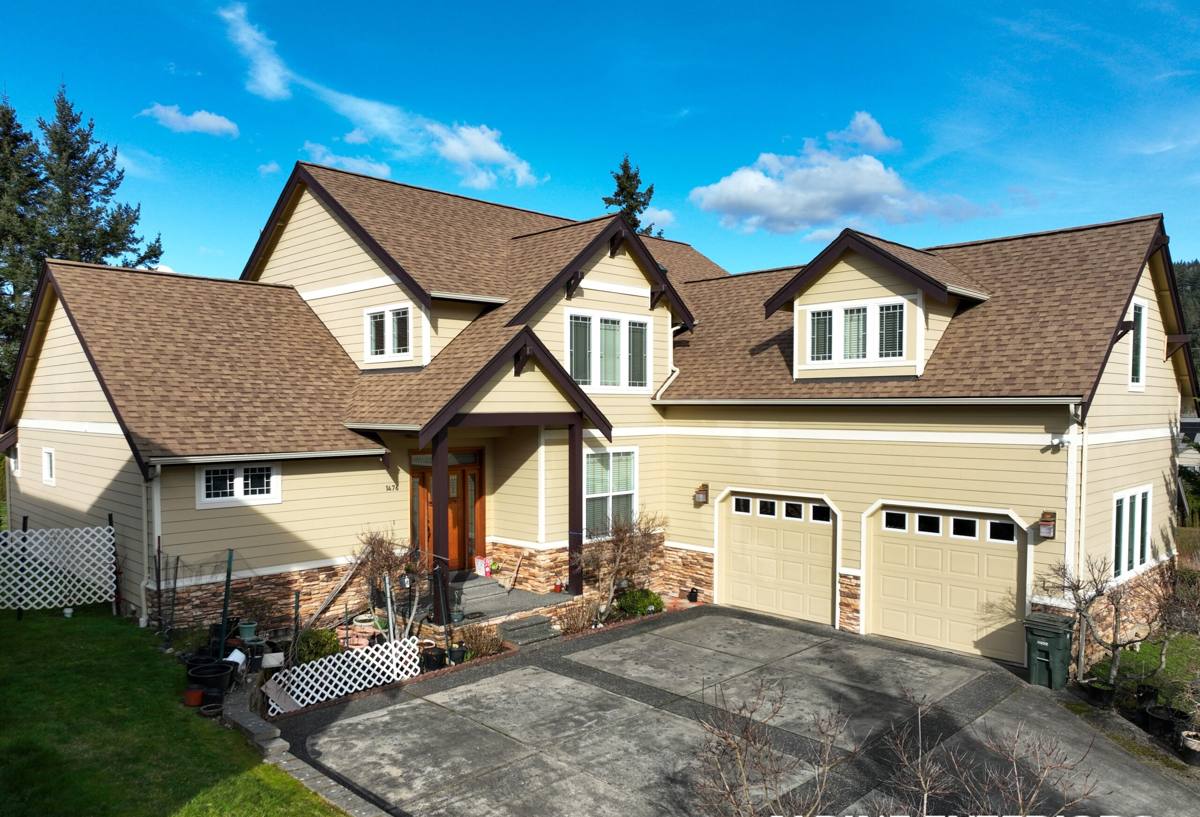
What Central Florida's Climate Does to a Roof
Pasco County doesn't get a break between storm seasons. Roofs in Suncoast Meadows are dealing with several kinds of stress at once, year-round, and it shows up in different ways depending on the roofing material and the age of the roof.
Hurricane-Force Winds
Wind doesn't just push down on a roof — it gets underneath it. Gusts catch a shingle edge or a loose tile lip and pry upward, breaking the seal or the mortar and starting a lift that gets worse with every storm after it. A roof that looks fine from the driveway can have a dozen weak points that only reveal themselves in the next 60 mph gust.
Intense, Year-Round UV
Florida sun is stronger and more constant than most of the country deals with. On asphalt shingles, UV bakes out the oils in the asphalt over time and strips away the protective granules, leaving the mat brittle and prone to cracking. On tile roofs, UV degrades the underlayment beneath the tiles — the part actually keeping water out — long before the tiles themselves show any wear.
Wind-Driven Rain
Rain that falls straight down is easy for a roof to shed. Rain that's being pushed sideways or even upward by wind is a different problem — it finds gaps that would never see water in a calm storm, working its way under laps, around fasteners, and into any flashing seam that isn't perfectly sealed.
Salt Air
Being close to the Gulf means salt-laden air moves through this area regularly. That salt accelerates corrosion on exposed metal — nail heads, flashing, vent boots, and drip edge all rust faster here than they would inland, which is one of the more overlooked causes of small leaks that start at a fastener rather than a shingle or tile.
Common Roof Repair Calls We See in Suncoast Meadows
Shingle Roofs
The most frequent calls involve lifted or missing tabs after wind events, granule loss that leaves bare, UV-exposed asphalt, and nail pops where fasteners have backed out as the deck and shingles expand and contract with heat.
Tile Roofs
Tile is durable on the surface, but the damage that matters is usually invisible from the ground: cracked or slipped tiles from wind or foot traffic, broken hip and ridge tiles, and underlayment failure underneath tiles that still look perfectly intact.
Flat and Low-Slope Sections
Many homes in this area have a flat or low-slope section over a lanai, porch, or addition. These sections are more prone to ponding water, membrane blistering from heat, and seam failure at transitions where the flat roof meets a sloped one — a common leak point that's easy to miss during a quick visual check.
Signs Your Roof Needs Repair
Not every roof problem announces itself with an obvious hole. Here's what we'd want a Suncoast Meadows homeowner to watch for between inspections:
- Water stains or discoloration on interior ceilings, especially after a storm
- Shingles that look curled, lifted, or are visibly missing from the ground
- Granules collecting in gutters or at the base of downspouts
- Cracked, slipped, or missing roof tiles
- Soft or spongy spots underfoot (a job for a roofer, not a DIY walk)
- Visible daylight or damp insulation in the attic
- Rusted, lifted, or gapped flashing around chimneys, skylights, or vent pipes
- A noticeable jump in cooling costs, which can point to attic heat gain from a failing roof system
What a Correct Roof Repair Actually Involves
Inspection Before Any Work Starts
A repair that's done right starts with actually getting on the roof, not just looking at it from the ground. That means checking the deck for soft spots, tracing water stains back to their real entry point (which is often several feet from where the stain appears inside), and evaluating the underlayment condition around the damaged area, not just the surface material.
Matching Materials and Fasteners
A repair that doesn't match the existing roofing material — in profile, color, and fastening method — creates a weak point and a visible patch. Corrosion-resistant fasteners matter here specifically because of the salt air; using standard hardware in a coastal-influenced area is a shortcut that shows up as rust streaks and loosened material within a few years.
Flashing and Penetrations Get Fixed First
Most leaks that seem like a "roofing" problem are actually a flashing problem — around chimneys, skylights, vent pipes, and wall transitions. A repair that only addresses the field of the roof and ignores the flashing at these points is a repair that will leak again.
Verifying the Fix, Not Just Patching It
A repair isn't done when the new material is in place. It's done when the area has been checked for proper sealing, the surrounding material has been confirmed sound enough to hold the repair, and — where a leak was involved — the interior source has actually been resolved, not just covered.
Repair vs. Replacement: How We Make the Call
Not every damaged roof needs to come off. We evaluate a handful of specific factors to give a homeowner a straight answer instead of a default push toward a full replacement.
| Factor | Repair Usually Makes Sense | Replacement Usually Makes Sense |
|---|---|---|
| Roof age | Well within its expected service life | At or near the end of its material's typical lifespan |
| Extent of damage | Isolated to one area or a few spots | Spread across multiple sections of the roof |
| Underlayment condition | Sound in areas outside the repair zone | Widely degraded from UV or age |
| Repair history | First or second repair on this roof | A pattern of repeated repairs in different spots |
| Insurance/storm damage | Damage is localized and documentable | Damage is widespread enough to affect the whole roof system |
When a roof falls into the "repair" column, we say so and repair it — a full replacement isn't the right call just because it's on the table.
What Roof Repair Costs Depend On
We don't post fixed prices because roof repair genuinely varies by situation, but the factors that drive cost are consistent and worth understanding before you get a quote from anyone.
| Cost Factor | Why It Matters |
|---|---|
| Roofing material | Tile repair generally takes more time and skill to source and match than asphalt shingle repair |
| Roof pitch and access | Steep or hard-to-access roof sections take longer to work safely and carefully |
| Extent and location of damage | A single flashing repair is a different job than damage spread across a slope |
| Permitting requirements | Some repair scopes in Pasco County require a permit, which adds time and a small fee |
| Material matching | Older roofs with discontinued shingle colors or tile profiles can take longer to source a close match |
Every estimate we give breaks these factors down so a homeowner understands exactly what they're paying for, not just a bottom-line number.
Why a Crew That Already Works in Suncoast Meadows Matters
Roof repair isn't a one-size-fits-all trade, and a neighborhood like Suncoast Meadows has its own patterns worth knowing before a crew ever gets on a roof.
- Familiarity with the roofing materials and construction common to homes built in this part of Land O'Lakes, so a repair can be matched correctly the first time
- An understanding of local permitting requirements through Pasco County so a repair is handled correctly and doesn't create problems at resale
- Experience working respectfully around HOA expectations on material appearance, common in planned communities in this area
- Direct knowledge of how the local combination of wind, UV, rain, and salt air actually shows up on a roof, rather than applying generic advice from a different climate
A crew that's already spent time on roofs in this neighborhood isn't guessing at what's causing a problem — they've likely seen the same failure pattern on a similar home nearby.
Our Repair Process, Start to Finish
1. Free On-Roof Inspection
We get on the roof, not just the ground, and document what we find — including anything that isn't urgent yet but is worth keeping an eye on.
2. A Written Scope and a Straight Answer
You get a clear explanation of what's actually wrong, what it will take to fix it, and whether a repair or a larger conversation about replacement is the honest recommendation.
3. The Repair Itself
Work is done with matched materials and corrosion-resistant fasteners appropriate for this climate, with flashing and penetrations addressed as part of the job, not treated as an afterthought.
4. Cleanup and Final Walkthrough
The work area is cleaned of debris and old materials, and we walk through what was done so you know exactly what's now fixed and what, if anything, to watch going forward.
Get a Straight Answer on Your Roof
If you're dealing with a leak, storm damage, or just want a second opinion on your roof's condition, we're glad to take a look. Fill out the form below for a free, no-pressure estimate — we'll tell you honestly whether your roof needs a repair, and what that repair actually involves.