 Land O'Lakes Siding
 Fiber Cement Siding Built for What Zephyrhills Weather Actually Does
Zephyrhills sits in eastern Pasco County, far enough inland that people sometimes assume it's spared the worst of what coastal Florida siding has to deal with. It isn't. Hurricane-force wind doesn't stop at the coastline, wind-driven rain gets pushed sideways into walls regardless of how far you are from the Gulf, and the sun here is intense and constant twelve months a year. Add the humidity that never really lets up and the salt-tinged air that reaches well inland on a strong onshore flow, and you have a climate that is genuinely hard on exterior materials — just in a different combination than a beachfront property faces.
Land O'Lakes Siding Company installs James Hardie fiber cement siding exclusively for homes in Zephyrhills and the rest of our Pasco County service area. We don't offer vinyl, LP SmartSide, primed spruce, cedar, or other fiber cement brands. That's a deliberate standard, not a limitation of what we're capable of installing — and this page explains what Zephyrhills homes need from their siding, what a correct fiber cement installation actually involves, and why it matters that the crew doing the work already knows this area.
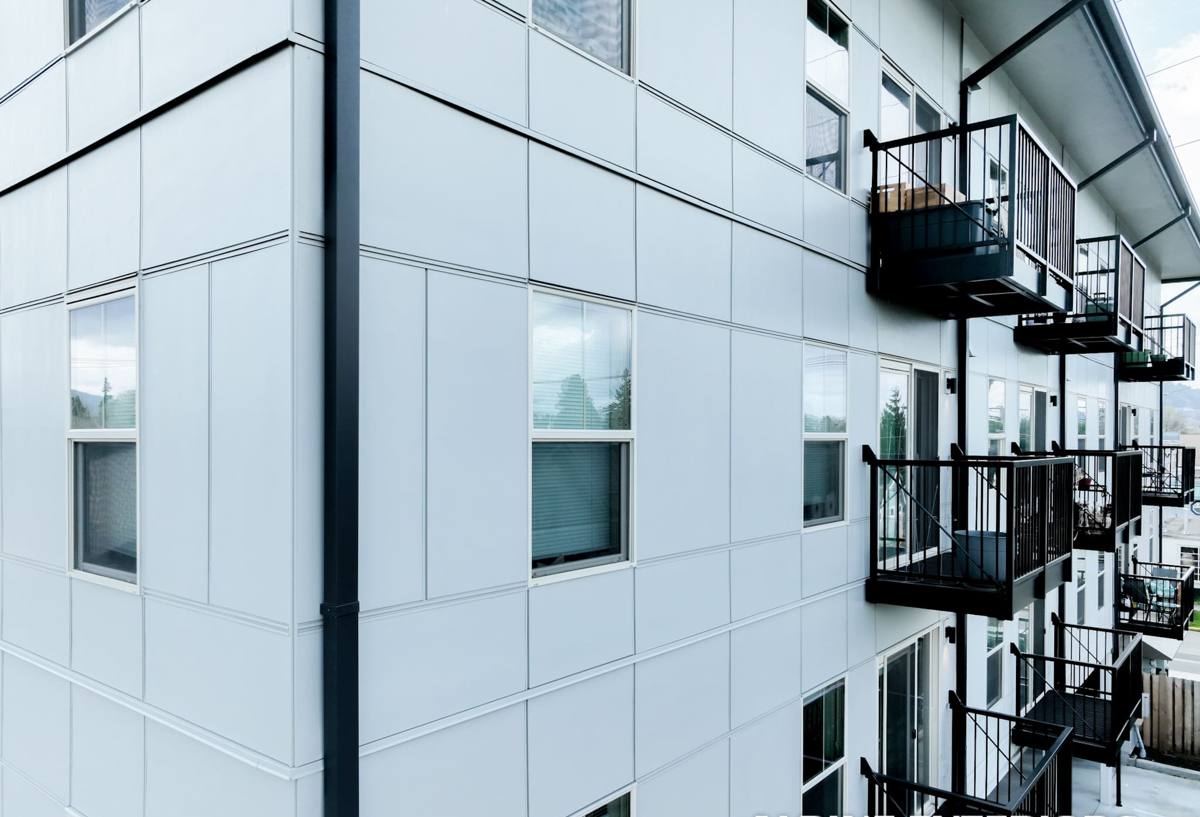
What Hurricane Wind and Wind-Driven Rain Do to a Wall
The biggest threat to siding in this part of Florida isn't a single storm — it's what repeated wind events do to a wall system over years. Hurricane-force gusts don't just push against siding; they create pressure differentials that pull at panels, work fasteners loose, and find any gap in flashing or house wrap to drive water behind the cladding. Once water gets behind siding, the damage usually isn't visible from the street. It shows up later as soft sheathing, stained interior walls, or mold growth discovered during an unrelated repair.
Wind-driven rain compounds this because it doesn't behave like a normal rainstorm. Instead of running down a wall, it's pushed sideways and even upward under eaves and around window and door openings — exactly the spots where a siding installation is most likely to have a weak seam if it wasn't done carefully. This is why the quality of the installation matters as much as the quality of the material. A premium siding product installed with sloppy flashing details will still let water in during a strong storm.
Wind Rating and the Florida Building Code
Florida's building code requires exterior materials, including siding, to meet wind-load requirements tied to the design wind speeds for the area. Pasco County falls under these statewide standards, and any siding installed on a Zephyrhills home needs to be rated and fastened according to that code — not just nailed up the way it might be in a milder climate. This is one of the clearest places where hiring a crew unfamiliar with Florida wind requirements creates real risk: a fastening pattern that passes inspection in a low-wind state can fall well short of what Florida code and manufacturer specifications actually require here.
Year-Round UV and Heat
Central Florida doesn't get a real off-season for sun exposure. Siding here spends the entire year absorbing UV radiation and cycling through daily heat swings, especially on west- and south-facing walls. Materials that rely on a painted-on finish are the most vulnerable to this — paint film breaks down under sustained UV, leading to fading, chalking, and cracking that shows up as an uneven, blotchy exterior within a handful of years. Once the finish starts failing, the substrate underneath is exposed to moisture and heat with no protective layer left, which accelerates every other form of damage.
Heat cycling also matters for the material itself, not just the finish. Products that expand and contract significantly with temperature swings put ongoing stress on fasteners, seams, and caulked joints. Over enough cycles, that stress works joints loose and opens gaps that wind-driven rain can exploit.
Salt Air Reaches Zephyrhills Too
Zephyrhills isn't a beachfront community, but it's close enough to the Gulf that salt-laden air carried inland on prevailing winds still reaches homes here, especially during and after tropical systems. Salt air accelerates corrosion of metal fasteners, flashing, and hardware, and it interacts with lower-quality finishes in ways that speed up fading and surface breakdown. It's a lower-intensity version of what true coastal Florida homes deal with, but it's real, and it's one more reason generic siding specs from outside this region don't translate cleanly to a Zephyrhills install.
Why We Install Only James Hardie Fiber Cement
We get asked fairly often why we don't offer vinyl or LP SmartSide as a lower-cost option. The honest answer is that we've standardized on one product because it's the one we're confident will hold up to everything described above without the maintenance burden or failure modes we've seen in the alternatives.
- Non-combustible: fiber cement doesn't contribute fuel to a fire the way wood-based or vinyl products can, which matters for insurance considerations as much as safety.
- Won't rot or delaminate from moisture the way wood-based composite siding can if a seam or cut edge is compromised.
- Doesn't soften, sag, or distort in high heat the way vinyl can on west-facing walls in direct Florida sun.
- Factory-applied ColorPlus finish is baked on and warranted against fading in a way field-applied paint can't match, which matters given how much UV exposure this region gets.
- Engineered for climate zones — Hardie's HZ5 formulation is built specifically for regions with Florida's humidity and moisture exposure, rather than a one-size-fits-all national product.
This isn't a claim that other products are worthless — vinyl and engineered wood siding both have legitimate uses and reasonable price points. It's that after years of installing and repairing siding in this climate, we've seen which materials hold up to Pasco County's combination of wind, sun, and moisture with the least maintenance and the fewest premature failures, and fiber cement is consistently the answer. Our commitment to it is why we don't stock or install anything else.
What a Correct Fiber Cement Installation Involves
Fiber cement siding is only as good as the installation behind it. A rushed or inexperienced crew can undermine a premium product with the same weak points that cause cheaper siding to fail. On every Zephyrhills project, a correct installation includes:
Water Management First
Before a single piece of siding goes up, the wall needs a properly lapped weather-resistant barrier, correctly integrated flashing at every window, door, and penetration, and drainage planes that let any incidental moisture escape rather than pool behind the cladding. This is the layer that actually keeps a home dry during wind-driven rain — the siding itself is the second line of defense, not the first.
Fastening to Spec, Not to Habit
James Hardie publishes specific fastener types, spacing, and placement requirements, and those specs shift depending on the wind exposure of the installation. Following the manufacturer's fastening schedule — not a generic pattern a crew uses everywhere regardless of region — is what keeps panels secured through hurricane-force gusts.
Clearances and Joints
Proper ground clearance, correct gaps at butt joints and trim to allow for expansion, and factory-caulked or properly sealed seams all matter more in a climate that cycles through heavy rain and intense heat than they would somewhere milder. Skipping these details doesn't show up as a problem on install day — it shows up two or three years later.
| Installation Detail | Why It Matters in Zephyrhills |
|---|---|
| House wrap and flashing integration | Primary defense against wind-driven rain forced sideways into walls during storms |
| Manufacturer-specified fastening pattern | Keeps panels secured under hurricane-force gusts and Florida Building Code wind loads |
| Proper joint and butt-seam sealing | Prevents gaps that open up from heat-cycling expansion and contraction |
| Correct ground and roofline clearance | Reduces prolonged moisture contact in a high-humidity, high-rainfall climate |
| ColorPlus factory finish (vs. field paint) | Resists fading from year-round, high-intensity UV exposure |
Our Process for Zephyrhills Homeowners
We walk every project through the same sequence, whether it's a full re-side or a targeted repair:
- On-site inspection: we look at the existing siding, sheathing condition, and any signs of past moisture intrusion before quoting anything.
- Honest scope and estimate: we tell you what's actually needed — including if something less than a full re-side will do the job — and provide a clear, no-pressure estimate.
- Prep and moisture check: any compromised sheathing or trapped moisture gets addressed before new siding goes over it. Covering up an existing problem is not something we do.
- Installation to manufacturer and code spec: house wrap, flashing, fastening, and joint details are all handled to James Hardie's specifications and Florida Building Code wind requirements.
- Final walkthrough: we go over the finished work with you and make sure everything meets both our standard and yours before we call the job done.
Why a Crew That Already Works Zephyrhills Matters
Siding installation isn't identical from one region to another, and a crew's experience in this specific area shows up in details that are easy to miss otherwise. A contractor who mostly works outside Florida — or outside Pasco County — may not default to the fastening schedule and flashing details this wind and rain exposure actually calls for, may not be current on Florida Building Code wind provisions, and may not recognize early signs of the moisture or UV damage patterns common here. Working in and around Zephyrhills regularly means we're not guessing at what this climate does to a wall over time — we've seen it, repaired it, and adjusted our process around it.
What to Look For When Hiring a Siding Contractor
- Proper licensing and insurance for exterior contracting work in Florida
- Direct experience installing fiber cement siding under Florida Building Code wind requirements, not just general carpentry or handyman work
- A clear explanation of how they'll handle flashing and water management, not just the visible siding itself
- Willingness to inspect and address sheathing or moisture issues before covering them up
- A written scope and estimate you can review before committing — and no pressure to sign on the spot
- Manufacturer familiarity — can they explain why they use the fastening and finish specs they do, rather than just "that's how we always do it"
Cost Factors for Zephyrhills Fiber Cement Projects
Every home is different, but the same handful of factors drive most of the variation in project cost. We won't quote a number without seeing the home, but these are the things that move the price up or down:
| Factor | Effect on Cost |
|---|---|
| Condition of existing sheathing | Moisture damage found during tear-off adds repair scope before new siding goes up |
| Home size and wall complexity | More corners, gables, and trim detail increase labor time |
| Siding profile chosen | Lap, shingle, and panel styles differ in material and installation time |
| Story height and access | Two-story walls and limited access require more equipment and labor |
| Full re-side vs. targeted repair | Repairs cost less upfront but only make sense when the rest of the siding is sound |
If you're weighing a fiber cement siding project for a home in Zephyrhills, we're happy to take a look and give you a straightforward, no-pressure estimate based on what your home actually needs — not a generic quote pulled from a national price list.