 Land O'Lakes Siding
 Deck Repair Built for Suncoast Meadows' Climate
Suncoast Meadows homeowners know their decks work hard. Between the long stretch of intense Florida sun, the sudden afternoon storms that blow in off the Gulf, and the humidity that never really lets up, a deck in this part of Land O'Lakes ages differently than one in a drier, cooler climate. What starts as a small issue — a soft board, a loose railing baluster, a few popped fasteners — can turn into a real structural problem faster than most homeowners expect. This page is about one thing specifically: repairing decks in Suncoast Meadows the right way, with an approach shaped by what actually happens to decking, framing, and hardware in Pasco County conditions.
We're not writing about deck repair in general terms here. Every recommendation below reflects what we see when we're called out to this neighborhood — the failure patterns, the materials that hold up, and the fixes that actually last through another Florida summer.
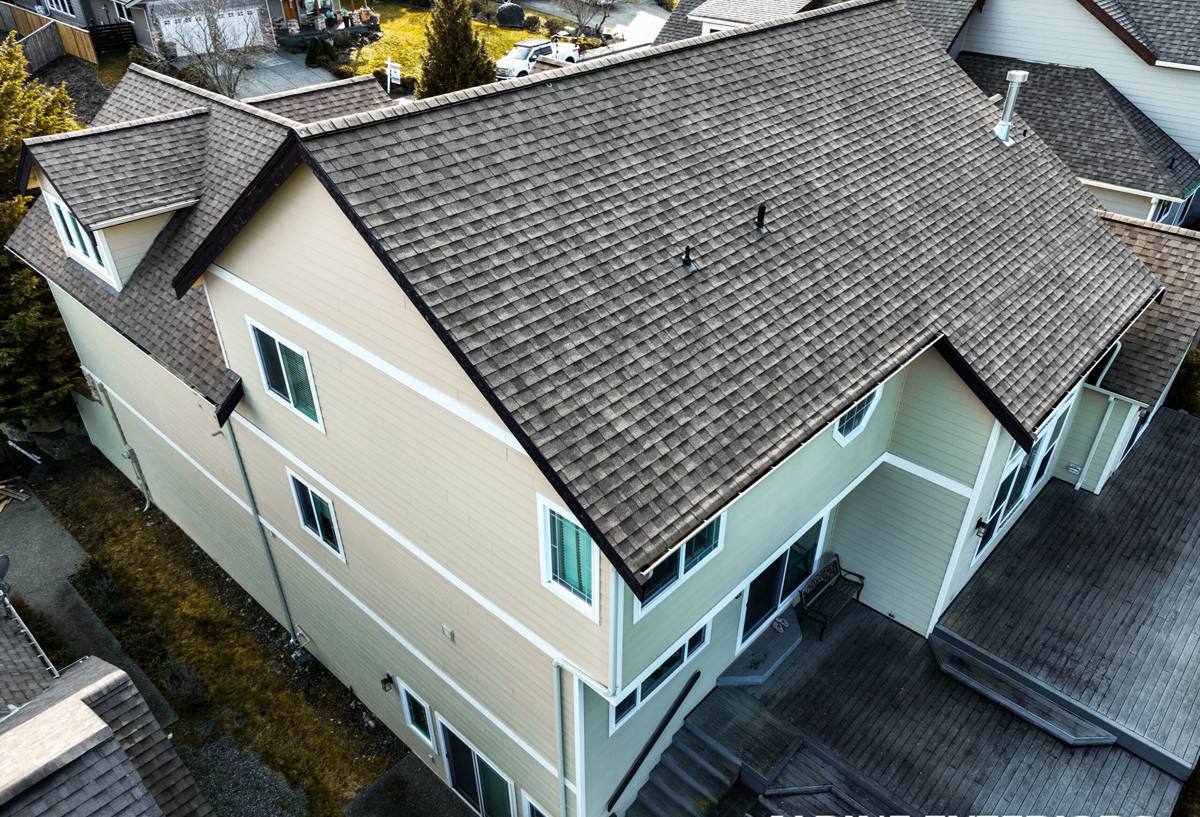
What Land O'Lakes Weather Does to a Deck
Year-Round UV Exposure
Florida sun is relentless, and it doesn't take a break in winter the way it does farther north. UV breaks down the lignin in wood fibers, which is why untreated or unsealed wood decking greys, cracks, and splinters even when it's never been rained on. On composite decking, prolonged UV exposure can fade color unevenly, especially on boards that get partial shade from railings or furniture. If a deck hasn't been resealed or inspected in a few years, sun damage is almost always part of what we find.
Wind-Driven Rain
Pasco County doesn't just get rain — it gets rain pushed sideways by wind, which finds its way into places a straight-down rainstorm never would: under fascia boards, behind ledger flashing, into fastener holes, and along the seams where a deck meets the house. This is the mechanism behind most of the hidden rot we find during repairs. The surface of the deck can look fine while the framing underneath, or the ledger board attachment to the house, is quietly deteriorating.
Hurricane-Force Wind Loads
Even homes that never take a direct hit from a named storm still deal with tropical-system wind gusts most years. Decks are attached structures, and their railings, guardrails, and ledger connections are engineered (or should be) to handle real lateral and uplift loads. Loose ledger bolts, undersized joist hangers, or railings that were never properly through-bolted are the kind of things that seem minor until a strong wind event puts real force on them.
Salt Air and Metal Fatigue
Homes in this part of the Suncoast region get some degree of salt-laden air moving inland, and it accelerates corrosion on anything less than fully rated hardware — screws, joist hangers, bolts, and nails. Corroded fasteners lose holding strength long before they look obviously rusted, which is one reason we always inspect hardware condition, not just the boards themselves.
Common Deck Problems We Find in Suncoast Meadows
Repair calls in this neighborhood tend to fall into a fairly consistent pattern. Before any work starts, we walk the deck and check for:
- Soft, spongy, or discolored decking boards, especially near the house or in low-drainage spots
- Rust streaking or corrosion around fastener heads and joist hangers
- Ledger board separation or gaps where the deck meets the house wall
- Wobbly or loose railings and guardrail posts
- Cracked, split, or cupped boards from sun and moisture cycling
- Stair stringer wear, especially on the bottom few inches where water pools
- Under-deck framing rot that isn't visible from the top surface
- Fading, chalking, or peeling on stained or painted deck surfaces
Most of these are fixable without a full rebuild — but only if they're caught and addressed correctly, not just patched over.
What a Correct Repair Actually Involves
There's a real difference between a repair that solves the problem and one that just hides it. A quality deck repair in this climate typically involves more than swapping a bad board:
Structural Inspection First
Before replacing anything cosmetic, we check the ledger board attachment, joist condition, post bases, and any connection points for corrosion or rot. A deck that's structurally sound but cosmetically worn gets a very different scope of work than one with hidden framing damage.
Matching Fastener Grade to the Environment
Given the salt air and humidity in this area, we use fasteners and hardware rated for coastal or high-corrosion environments rather than standard interior-grade hardware. This is one of the most common shortcuts we see on past repairs — the right board with the wrong screws, which fails again within a couple of years.
Proper Drainage and Flashing
Wind-driven rain problems usually trace back to flashing that's missing, damaged, or was never installed correctly where the deck meets the house. Part of a correct repair is making sure water has somewhere to go, not just replacing the wood that got wet.
Board-by-Board Honesty
We replace what's actually damaged and leave sound material alone. There's no reason to tear out a whole deck surface when the problem is isolated to a few boards and a section of framing — but there's also no shortcut around replacing framing that's compromised, even if it costs more than a surface-level fix.
Repair or Replace? Key Factors
Homeowners often ask whether it makes more sense to repair or fully replace a deck. The honest answer depends on a few specific factors:
| Factor | Favors Repair | Favors Replacement |
|---|---|---|
| Framing condition | Solid, dry, no rot at connections | Rot or corrosion at multiple structural points |
| Age of deck | Under 10-15 years, built to code | Older than expected lifespan or built off-code |
| Extent of damage | Isolated boards or railing sections | Widespread surface and framing issues |
| Ledger attachment | Properly flashed and fastened | Missing flashing, visible separation |
| Homeowner goals | Restore current design and layout | Wanting a different size, material, or layout |
In most Suncoast Meadows repair calls, a targeted repair is the right call. Full replacement usually only makes sense when the framing itself is compromised or the deck was undersized or under-fastened from the start.
Our Deck Repair Process
- On-site inspection — we check decking, framing, railings, stairs, ledger attachment, and hardware condition, including areas that aren't visible from a casual walk-through.
- Written scope and estimate — you get a clear breakdown of what needs repair, what's optional, and what we recommend leaving as-is.
- Removal of damaged material only — we don't tear out more than necessary, but we don't stop short of the actual damaged area either.
- Structural correction — joist, ledger, or post repairs are done first, using corrosion-resistant hardware suited to this climate.
- Decking and railing restoration — matching board profile and fastening pattern as closely as possible to the existing deck.
- Sealing or finishing — for wood decks, appropriate sealant or stain to protect against UV and moisture going forward.
- Final walkthrough — checking rail stability, board fastening, and drainage before we consider the job done.
Material Considerations for This Area
Both wood and composite decking are common in Land O'Lakes, and each comes with real trade-offs in this climate rather than a clear winner.
Pressure-treated wood is affordable and easy to repair board-by-board, but it needs consistent resealing to hold up against year-round UV and humidity — skip that maintenance for a few years and the boards will show it. Composite decking resists rot and doesn't need staining, but it can run hotter underfoot in direct sun, and repairs sometimes require matching a specific product line if the original boards have faded or been discontinued. Neither material is maintenance-free here; the question is which kind of maintenance a homeowner would rather deal with.
Whatever the material, hardware selection matters more in this environment than it does in drier climates. We treat corrosion-resistant fasteners and connectors as a standard, not an upgrade, on every repair we do here.
Why Local Experience in Suncoast Meadows Matters
A crew that regularly works in this neighborhood already knows the common construction patterns used in homes here, the typical deck ages, and the specific ways Pasco County weather tends to show up in the framing. That means less guesswork during the inspection and a scope of work that's grounded in what we've actually found on similar decks nearby, not a generic checklist. It also means we're not learning the local climate on your project — we're applying what we already know works here.
If your deck in Suncoast Meadows has soft boards, a loose railing, or just hasn't been looked at in a few years, it's worth getting an honest inspection before small issues turn into a bigger repair. We're happy to take a look, explain what we find in plain terms, and put together a free, no-pressure estimate — no obligation, just a clear picture of where things stand.