 Land O'Lakes Siding
 Wesley Chapel Roofs Take a Different Kind of Beating
Wesley Chapel sits inland from Tampa Bay but still catches the full range of what Central Florida weather throws at a roof: hurricane-force wind gusts during tropical systems, near-daily summer thunderstorms with wind-driven rain, and some of the most intense year-round UV exposure in the country. Add in the humidity that never really lets a roof deck dry out completely, and you have conditions that stress roofing materials in ways homeowners from other regions never deal with. A roof that looks fine from the driveway can be hiding wind-lifted shingles, torn underlayment, or a slow leak that started during last month's storm and has been working its way into the decking ever since.
This page covers one specific job: storm damage roof repair for homes in and around Wesley Chapel. Not a general roofing overview, not a replacement sales pitch — the actual work of assessing what a storm did to your roof and fixing it correctly, done by a crew that already works this part of Pasco County.
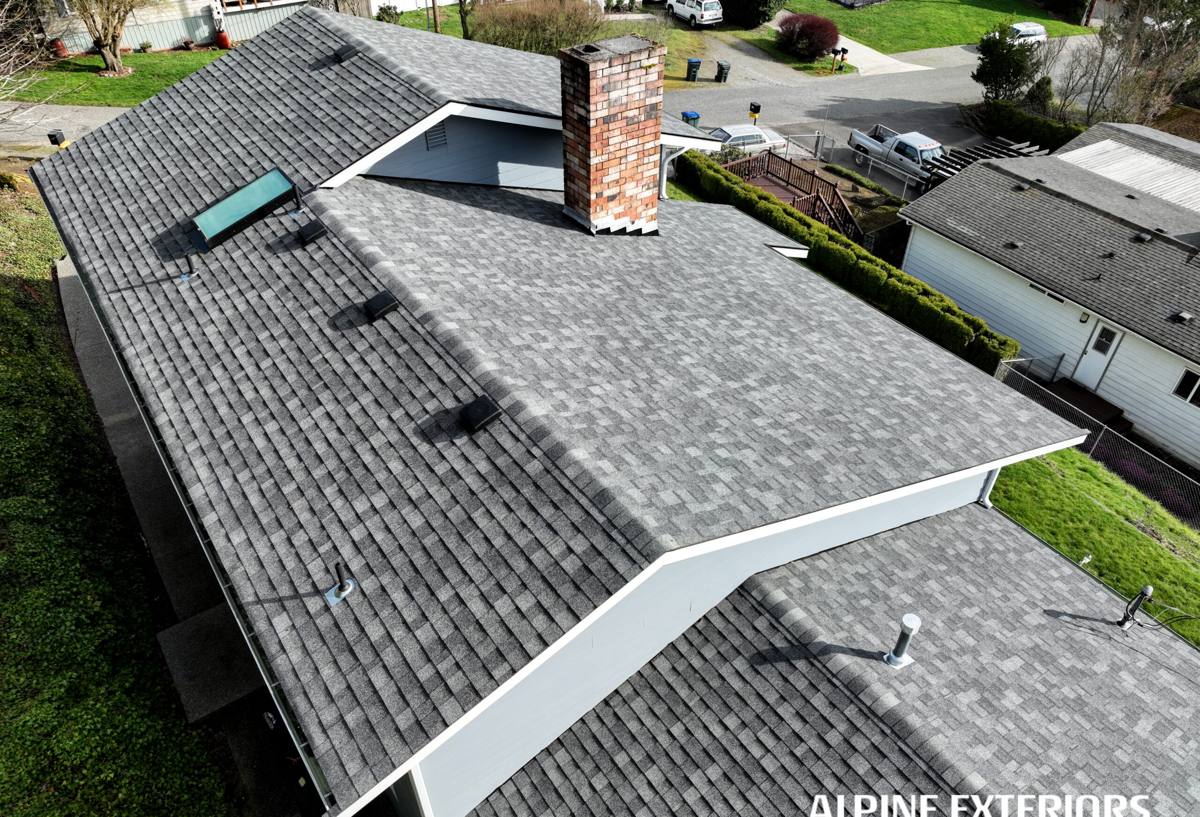
What Actually Counts as Storm Damage
Not every roof problem after a storm is storm damage in the insurance sense, and not every storm produces damage that's obvious from the ground. Knowing the difference matters for both the repair plan and any insurance claim.
Wind Uplift and Lost Shingles
Florida wind events don't need to reach hurricane strength to cause uplift. Sustained gusts get under a shingle's edge, break the seal strip, and either tear it off outright or leave it loose enough to flap in the next storm. Once a shingle's seal is broken, it usually won't reseal on its own — it needs to be reset or replaced before it opens a path for water.
Wind-Driven Rain Intrusion
Florida storms rarely come straight down. Wind-driven rain gets pushed sideways and upward under shingle edges, around flashing, and through any gap that wouldn't leak in a calm rain. This is one of the most common causes of storm-related leaks we see in Wesley Chapel — the roof field looks intact, but water found a horizontal path in through a compromised seal or flashing joint.
Impact Damage
Hail is less frequent here than in some parts of the country, but it does happen, along with debris impact from tree limbs and wind-carried objects during tropical systems. Impact damage can bruise or crack shingles in ways that aren't always visible from the ground but that shorten the material's remaining life and create weak points.
Flashing and Penetration Failures
Vent boots, chimney flashing, and skylight seals take direct wind and UV stress. A storm can finish off a flashing seal that was already brittle from years of sun exposure — this is a very common source of post-storm leaks that has nothing to do with the shingles themselves.
Why Fast, Correct Response Matters
A damaged roof left alone doesn't stay static — every rain after the storm gets into whatever opening was created, and Florida's heat and humidity accelerate rot and mold growth in wet decking and insulation. Waiting weeks to address a torn shingle or lifted flashing usually turns a straightforward repair into a decking replacement.
There's also a documentation clock if you're filing an insurance claim. Adjusters want to see damage that's clearly tied to a specific storm event, and photos taken soon after the storm — before further weather makes things worse — are stronger evidence than damage assessed weeks later.
Our Wesley Chapel Storm Repair Process
1. Inspection
We walk the roof and check the attic when accessible, not just the visible field. Wind and rain damage often shows up first as staining on the underside of the decking before it's visible from outside. We look at shingles, flashing, vents, valleys, and the roof edge — the areas most exposed to wind uplift and driven rain.
2. Documentation
We photograph and note the damage in a way that's useful whether you're filing an insurance claim or just paying out of pocket. If you're working with your insurance company, having a clear, dated record of storm-specific damage makes the claims conversation go a lot smoother.
3. Repair Plan
We tell you honestly whether this is a targeted repair or something closer to a full re-roof. Not every storm-damaged roof needs full replacement, and not every repair candidate should stay a repair if the underlying material is already near the end of its service life. We'll walk you through the reasoning, not just hand you a number.
4. The Repair Itself
Depending on scope, this covers replacing individual shingles and resealing them properly, repairing or replacing damaged flashing and vent boots, patching or replacing sections of underlayment or decking if water got in, and re-securing any areas where wind uplift compromised the fastening. Every repair matches materials and installation method to what's already on your roof so the fix blends in and performs consistently with the rest of the system.
Repair Approaches We Use
| Damage Type | Typical Fix | What We Check Before Closing It Up |
|---|---|---|
| Wind-lifted or missing shingles | Reset or replace individual shingles, reseal or hand-tab as needed | Adjacent shingles for hidden seal breaks |
| Wind-driven rain leak | Trace path to source, repair flashing or underlayment | Attic/decking for moisture already trapped |
| Flashing failure | Replace flashing at vents, chimney, or wall junctions | Sealant condition on surrounding flashing |
| Impact damage | Replace bruised or cracked shingles in the affected area | Granule loss pattern on nearby shingles |
| Decking exposure | Cut back and replace compromised decking, then re-cover | Framing underneath for rot before closing up |
Repair vs. Replacement: How We Decide
This is the question every homeowner actually wants answered, and it deserves a straight answer rather than a default toward the bigger job.
| Factor | Favors Repair | Favors Replacement |
|---|---|---|
| Roof age | Under roughly 10-12 years | Near or past expected service life |
| Damage extent | Localized to one area or slope | Spread across multiple slopes |
| Decking condition | Dry, sound decking under the damage | Rot or repeated moisture exposure found |
| Shingle match | Discontinued shingle can still be reasonably matched | No reasonable match available, mismatch would be obvious |
| Prior storm history | First significant damage event | Repeated repairs on the same roof over recent years |
Cost ranges vary a lot based on scope, roof pitch, and material — a single-area repair is a very different job from a multi-slope decking replacement. We give you a specific number after inspection rather than a broad estimate that doesn't reflect your actual roof.
Working With Your Insurance Claim
We're not a public adjuster and we don't represent your insurance company — we're the contractor who documents the physical damage and does the repair work. That said, having a contractor who's been through the storm-damage claims process before helps: we know what adjusters generally need to see, and we can provide detailed photos, measurements, and a written scope of the damage and repair. What we won't do is inflate a scope or claim damage that isn't there — an honest assessment protects you if the claim gets reviewed later.
What to Do Right After a Storm
- Photograph visible damage from the ground before doing anything else, including any debris on the roof or in the yard
- Check the attic and ceilings for water stains, even if you don't see obvious roof damage
- Avoid walking on the roof yourself — storm-loosened materials and wet surfaces are a fall hazard
- Get a tarp over any active leak area as soon as it's safe to do so, to limit interior water damage while repairs are scheduled
- Keep any receipts for emergency measures like tarping — insurers typically reimburse reasonable mitigation costs
- Call for an inspection promptly rather than waiting to see if the leak "gets worse" — Florida humidity does the damage for you if you wait
Why a Crew That Works Wesley Chapel Already Matters
Storm damage repair isn't just a technical skill — it's also about response time and local knowledge. A crew that already works Wesley Chapel and the surrounding Land O'Lakes area knows the common roofing profiles used in local subdivisions, doesn't need to travel far when storm season creates a backlog of calls across Pasco County, and has already seen how the same storm systems hit different parts of the area. That local familiarity means faster, more accurate assessments and fewer surprises once a repair is underway.
It also matters for follow-up. A roof repair should hold up through the next storm season, not just look fine on the day it's finished. Working with a contractor based in the area rather than a storm-chasing crew from out of state means someone is actually around to stand behind the work if a question comes up later.
Protecting the Rest of Your Home Too
Roof damage from wind and rain rarely stays isolated to the roof. Water that gets past a compromised shingle or flashing joint can travel along the decking before it shows up as a ceiling stain somewhere else in the house, and prolonged moisture in Florida's climate creates conditions for mold growth faster than in drier regions. Salt air common to this part of the Gulf Coast also accelerates corrosion on exposed metal flashing and fasteners over time, which is worth flagging during any storm inspection even if it's not the primary source of damage. Addressing storm damage promptly isn't just about the roof itself — it protects the insulation, decking, and interior finishes underneath it.
If your roof took a hit in a recent storm, or you're just not sure whether what you're seeing is normal wear or storm damage, we're glad to take a look. The estimate is free, there's no pressure to book anything on the spot, and you'll get a straight answer about what's actually going on with your roof.