 Land O'Lakes Siding
 Storm Damage Roof Repair in Dade City
Dade City sits inland in eastern Pasco County, but "inland" doesn't mean sheltered. When a tropical system or a fast-moving summer storm rolls through Central Florida, Dade City roofs take the same wind gusts, torrential downpours, and hail-bearing cells as anywhere else in the region. The roof is the first line of defense for the whole house, and it's usually the component that takes the most abuse and gets inspected the least — until something starts leaking.
This page covers what storm damage roof repair actually involves for homes in and around Dade City, what a correct repair looks like, and how our process works from the first call to the final inspection.
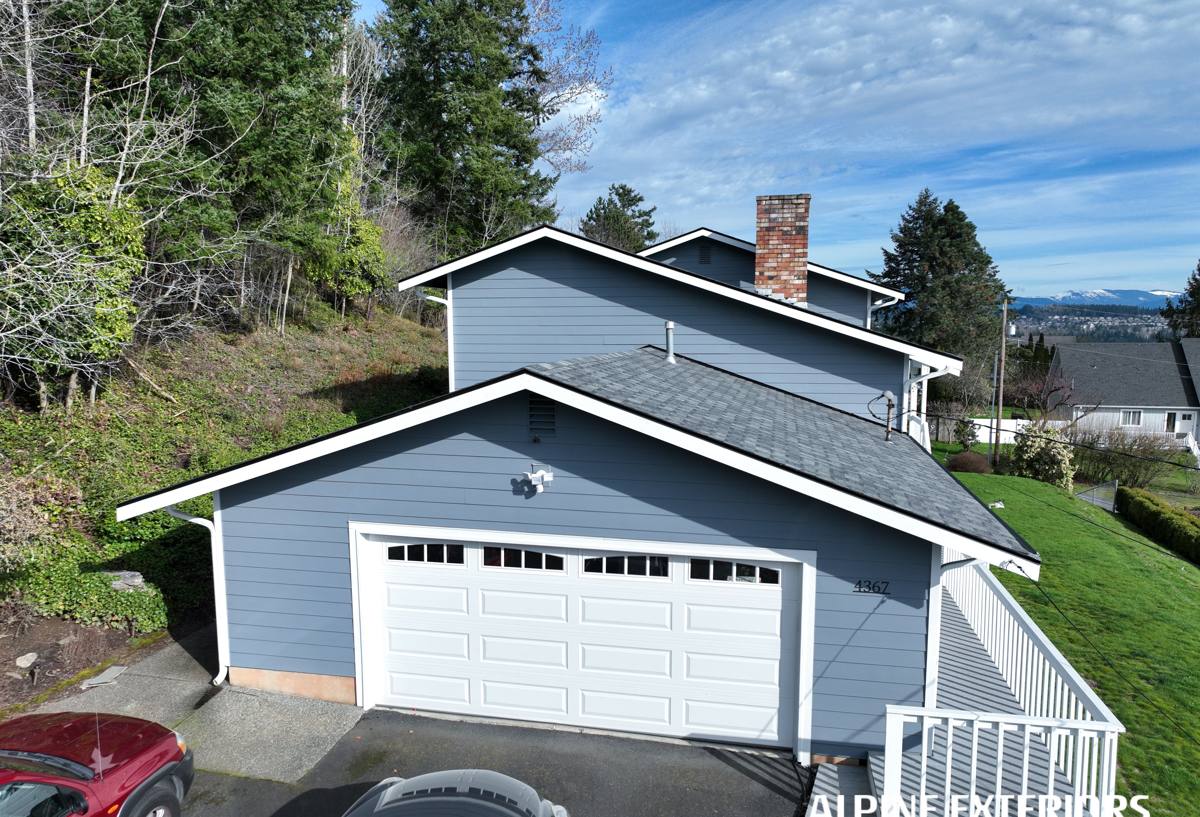
What Pasco County Storms Do to a Roof
Florida's climate doesn't give a roof many breaks. Between hurricane-season wind events, sudden thunderstorm cells that produce hail or straight-line gusts, and the simple grind of intense year-round UV exposure, roofing materials in this part of the state age faster than the same products would in a milder climate. Add wind-driven rain that gets pushed sideways under normal drainage paths, and you have a combination that finds every weak point in a roof system.
Dade City's location further from the coast means it sees somewhat less of the salt-air corrosion that eats at metal components on Gulf-side homes in western Pasco County, but it is not immune — humid, salt-tinged air moves well inland during onshore wind events, and it still contributes to the slow breakdown of exposed fasteners, flashing, and vents over the life of a roof. The bigger factors for Dade City specifically are wind uplift and wind-driven rain intrusion, since storm cells crossing the county interior often arrive with strong, gusty outflow.
Why Damage Gets Missed
Most storm damage isn't a hole you can see from the driveway. It's a lifted shingle tab that reseals on its own after the wind dies down, a cracked pipe boot that only leaks during wind-driven rain, or granule loss that thins a shingle's UV protection without an obvious visual sign from the ground. That's why a proper post-storm inspection matters more than a quick look from the yard.
What Counts as Storm Damage
Homeowners often assume storm damage means missing shingles or a visible hole. In practice, the damage that causes the most long-term harm is usually less dramatic:
- Wind-lifted or creased shingle tabs that have broken their seal, even if they look intact
- Granule loss from wind-blown debris or hail impact, which accelerates UV breakdown underneath
- Cracked, lifted, or displaced flashing around chimneys, skylights, and roof-to-wall joints
- Damaged or torn pipe boots and vent seals, a common source of slow leaks after wind-driven rain
- Soffit and fascia damage where wind gets up under the roof edge
- Bruised or fractured shingles from hail that haven't yet started leaking but have lost their service life
- Debris punctures from tree limbs or wind-carried material
Some of these are cosmetic. Others compromise the roof's ability to shed water, which is really the only job a roof has. Telling the two apart is the point of a proper inspection.
Our Storm Damage Roof Repair Process
1. Inspection and Documentation
We walk the roof (or use a drone where a walk-on inspection isn't safe or advisable) and document every point of damage with photos and notes — not just the obvious ones. This documentation matters twice: it tells us what to fix, and it gives you a clear, honest record if you're filing an insurance claim.
2. Emergency Mitigation
If a roof has active leaking or an exposed area, our first priority is stopping water intrusion — tarping, sealing, or temporary flashing to protect the interior of the home while the full repair is scheduled. This step isn't always billed separately and isn't always needed, but when it is, it happens fast.
3. Repair Plan and Estimate
We give you a written scope of work: what's damaged, what needs to be repaired versus replaced, and what materials we're using. No pressure, no scare tactics about damage that isn't there.
4. The Repair Itself
Depending on scope, this might mean replacing individual shingles and re-sealing tabs, installing new flashing and pipe boots, repairing soffit and fascia, or — for more extensive damage — replacing a full roof section. We match materials and installation methods to what the manufacturer specifies, not shortcuts that void a warranty later.
5. Cleanup and Final Check
Job site is cleared of debris, nails, and old material, and we do a final walk-through so you know exactly what was done.
Repair or Replace? How We Make That Call
Not every storm-damaged roof needs to come off. But a repair that's patched over deeper problems just delays the real cost. Here's generally how the decision breaks down:
| Factor | Repair Is Usually Enough | Replacement Should Be Considered |
|---|---|---|
| Roof age | Under 10-12 years, especially with regular maintenance | Nearing or past its expected service life (roughly 15-20 years for most asphalt shingle roofs in Florida's climate) |
| Damage extent | Isolated to one or two areas or slopes | Spread across multiple slopes or a large percentage of the roof |
| Underlying deck condition | Solid, dry, no soft spots | Signs of rot, moisture staining, or soft decking underneath |
| Shingle condition elsewhere | Remaining shingles still sealed and flexible | Widespread granule loss, brittleness, or curling beyond the damaged area |
| Repeat leak history | First occurrence, clear single cause | Recurring leaks in different spots over time |
We'll tell you honestly which side of that table your roof falls on. A repair that's genuinely sufficient is the right call every time — there's no reason to sell a full replacement when a targeted fix will hold.
Insurance Claims After Storm Damage
Many storm repairs in Pasco County involve a homeowner's insurance claim, and our role there is straightforward: we document damage accurately, provide a detailed scope and estimate, and can meet an adjuster on-site if that's useful. We're not a public adjuster and we don't inflate scope to chase a bigger payout — our documentation reflects what's actually damaged, because that's what holds up if there's ever a dispute, and it's simply the right way to do business.
If you're not sure whether damage is significant enough to file a claim, an inspection first is the smart move. It costs you nothing to know what you're dealing with before you decide.
Materials and Methods We Use
For storm repairs, we match or upgrade materials to current manufacturer standards rather than just patching with whatever's on the truck:
- Shingle replacements matched to existing color and profile where possible, installed per manufacturer nailing and sealing specs
- Synthetic underlayment in repaired sections, which holds up better than old-style felt against Florida humidity and wind-driven rain
- Corrosion-resistant flashing and fasteners suited to the salt-influenced air that moves through inland Pasco County during onshore wind events
- Properly sized and sealed pipe boots and vent flashing, a frequent failure point we check even outside the immediate damage area
Cutting corners on any of these is how a "repaired" roof ends up leaking again after the next storm season.
Why a Crew That Already Works in Dade City Matters
Storm damage repair isn't just a technical skill — it's a scheduling and logistics problem. In the days after a significant storm, roofing crews get slammed with calls across the whole Tampa Bay region, and homeowners who work with an out-of-town or storm-chasing outfit often wait longer, get less local accountability, and have a harder time getting anyone back out if a repair doesn't hold.
Working Dade City and the surrounding Land O'Lakes area regularly means we already know the roofing profiles common to the area's housing stock, we're familiar with Pasco County permitting requirements when a repair crosses into replacement territory, and we're not disappearing once the check clears. That local presence is worth more than it sounds like during storm season, when response time is often the difference between a repair and a much bigger interior damage problem.
Signs You Need a Post-Storm Roof Inspection
After any significant wind or hail event, it's worth checking for these signs — or having us check, since some of them aren't safely visible from the ground:
- Shingle granules collecting in gutters or downspouts
- Visible shingle tabs that are lifted, curled, or missing
- Water stains on interior ceilings or upper walls, even faint ones
- Damp insulation or musty smell in the attic
- Dented or dinged gutters, vents, or metal roof components (a sign hail may have hit the roof too)
- Debris, branches, or visible punctures on the roof surface
- Soffit or fascia that looks separated, sagging, or has new gaps
If you notice any of these after a storm, it's better to have it looked at soon. Small leaks left unaddressed lead to deck rot, mold, and repairs that are far more expensive than the original fix would have been.
Get a Free, No-Pressure Estimate
If your Dade City home took a hit from a recent storm — or you just want peace of mind before the next one — we're happy to come out, inspect the roof, and give you a straight answer about what it needs. No obligation, no upsell. Fill out the form below and we'll get in touch to schedule a time.