 Land O'Lakes Siding
 Siding Built for Stagecoach Village's Climate
Homes in Stagecoach Village sit in one of the tougher climates in the country for exterior building materials. Pasco County gets the full package: brutal summer UV that bakes painted surfaces for months at a time, wind-driven rain that finds every gap in a poorly sealed wall, tropical-storm and hurricane-force wind events that test every fastener and joint, and a steady dose of salt-laden air blowing in off the Gulf. None of that is unique to any one neighborhood, but it adds up differently depending on what's actually on the wall.
Siding that was engineered for a mild, dry climate — or siding that was installed by a crew unfamiliar with what Tampa Bay area weather actually does to a house — tends to show it early. Vinyl warps and pulls away from fastening points in high heat. Wood-based products swell, delaminate, or rot where moisture gets trapped behind them. Caulk joints that weren't detailed correctly open up within a year or two and start feeding water behind the cladding. In a neighborhood like Stagecoach Village, where homes are exposed to sun and storms in roughly equal measure, the siding system and the installation both have to be right — not just one or the other.
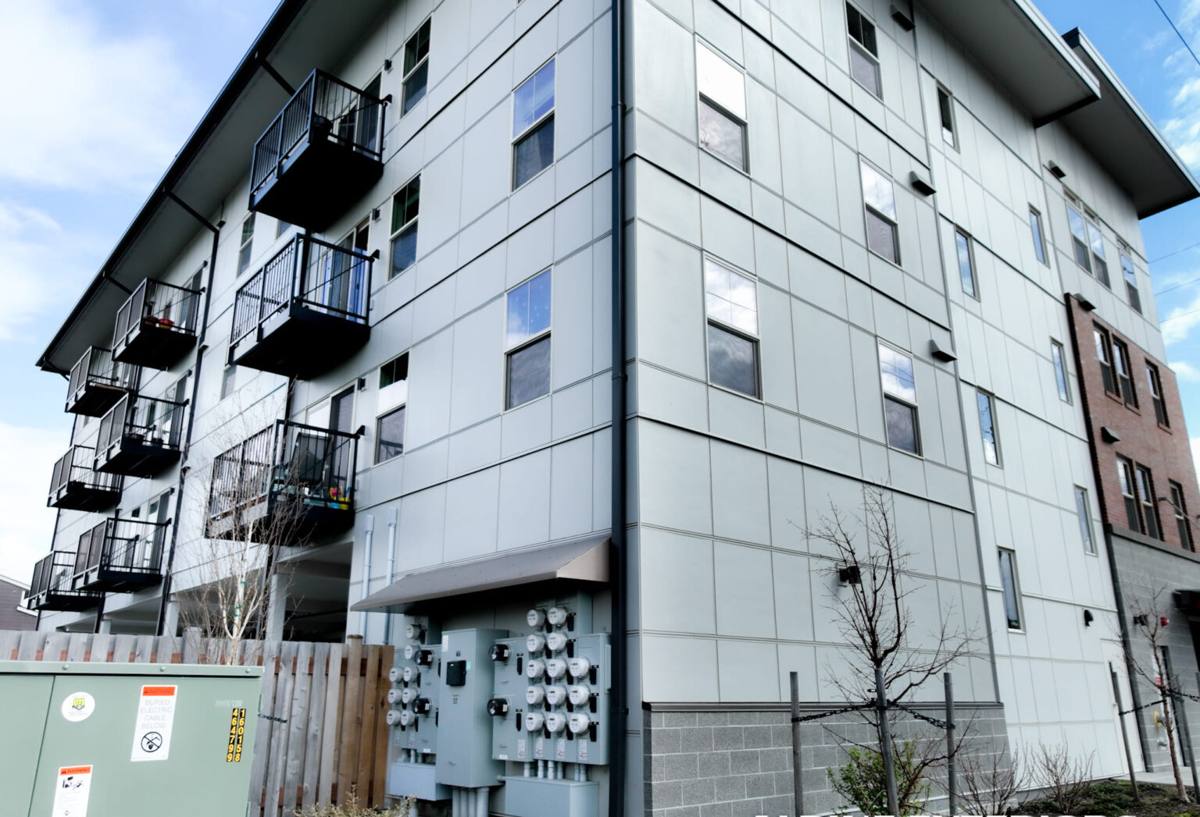
What "Correct Installation" Actually Means
Fiber cement siding has an excellent track record in Florida, but that reputation is earned by the installation as much as the material. Most of the siding failures we get called out to inspect aren't product failures — they're installation shortcuts. A few things separate a job that lasts decades from one that causes problems in year three.
Fastening and clearances
Fiber cement panels and planks have manufacturer-specified nailing patterns, fastener types, and minimum clearances from rooflines, decks, and grade. Skip the clearance requirements and you create a wick point where water sits against the bottom edge of the siding every time it rains — which, in this part of Florida, is often.
Flashing and water management
Every window, door, and penetration needs proper flashing integrated with a weather-resistant barrier behind the siding, not just caulk smeared over a gap. Wind-driven rain doesn't fall straight down — it gets pushed sideways and upward into every seam that isn't mechanically flashed.
Joints, caulking, and finish
Butt joints, corners, and trim intersections need to be sealed with a sealant rated for the movement and UV exposure siding sees here, and factory-finished products need field touch-up done to spec so the finish performs as a system rather than a patchwork of different coatings.
Skipping any one of these doesn't usually cause an immediate, visible problem — it causes a slow one, which is exactly why so many siding jobs look fine at the final walkthrough and start failing a few storm seasons later.
Why We Install Only James Hardie Fiber Cement
We install James Hardie fiber cement siding exclusively — no vinyl, no LP SmartSide, no Cemplank or Allura, no primed wood. That's not a marketing position; it's the product line we've found holds up best against Florida's combination of heat, UV, humidity, and wind once we account for real-world maintenance and installation sensitivity.
Fiber cement is non-combustible, which matters in a state where wildfire risk and strict wind-borne debris codes both come into play. It doesn't expand and contract with heat the way vinyl does, so it holds its fastening and its fit over decades rather than seasons. And because it's a cement-based composite rather than an engineered wood product, it isn't vulnerable to the swelling, edge-flaking, and moisture-driven decay that can affect wood-based siding when a seal is compromised — a real consideration where wind-driven rain is a routine event, not an occasional one.
Product lines we use
- HardiePlank lap siding — the standard horizontal profile for most homes, available in several exposure widths and textures.
- HardiePanel vertical siding — often used for accent walls, gables, or a board-and-batten look.
- HardieTrim — matching trim boards for a finished, consistent look at corners, windows, and fascia.
- ColorPlus Technology — a factory-baked finish that resists fading and chipping far better than field-applied paint, backed by its own finish warranty.
Hardie also engineers regional product formulations — its HZ5 line is built specifically for climate zones like ours, where humidity and moisture cycling are constant rather than seasonal. That's a meaningful distinction: siding engineered for the Southeast performs differently than the same-looking product built for a dry climate.
How Fiber Cement Compares for This Climate
Homeowners in Stagecoach Village often ask us to explain, plainly, why fiber cement is the right call here versus other common siding materials. Here's the honest breakdown.
| Material | Heat & UV behavior | Wind-driven rain / moisture | Hurricane wind performance |
|---|---|---|---|
| James Hardie fiber cement | Stable; ColorPlus finish resists fading | Non-combustible, dimensionally stable, resists moisture-driven decay when installed to spec | Rated and tested for high-wind installation |
| Vinyl siding | Can warp, distort, or fade in sustained heat | Panels can be forced open by wind-driven rain at laps | Lower wind ratings; can crack or blow off in severe gusts |
| LP SmartSide (engineered wood) | Moderate; finish maintenance required | Vulnerable to edge swelling and moisture intrusion if seals fail | Adequate when installed and maintained correctly |
| Primed wood / cedar | Requires frequent repainting to hold up to UV | Prone to rot and moisture damage without diligent maintenance | Performance depends heavily on ongoing upkeep |
None of this means every other product is a bad product in every situation — it means that after installing and repairing siding across this region, fiber cement is the one we're willing to put our name behind without hedging.
Our Installation Process in Stagecoach Village
We run the same disciplined process on every fiber cement job, adjusted for the specifics of the home in front of us.
- On-site assessment. We walk the exterior, check the condition of the existing wall assembly, and look for moisture damage, rot, or ventilation issues that need to be addressed before new siding goes on — not after.
- Tear-off and substrate inspection. Old siding comes off and we inspect the sheathing underneath. Any soft or damaged wood gets replaced; covering a compromised substrate is how new siding fails early.
- Weather-resistant barrier. A properly lapped and sealed house wrap goes on before any siding, giving the wall a second line of defense against wind-driven rain.
- Flashing at every penetration. Windows, doors, and any wall penetrations get flashed to shed water outward, not funnel it behind the siding.
- Installation to Hardie's fastening specification. Correct nailing pattern, correct clearances from rooflines and grade, correct fastener type for coastal-influenced air.
- Trim, caulking, and finish work. Joints and corners are sealed with sealant rated for UV and movement, and any field touch-up is done to match ColorPlus finish standards.
- Final walkthrough and cleanup. We review the completed work with the homeowner and clear the site of debris and old material.
We've worked on homes throughout Land O'Lakes and the surrounding Pasco County communities, so we're familiar with the mix of home styles and lot layouts common to this area, and with the permitting expectations local jurisdictions apply to exterior work.
What Influences Your Project's Cost
Every home is different, so we don't publish blanket per-square-foot pricing — but these are the factors that most affect what a fiber cement siding project actually costs.
| Cost factor | Why it matters |
|---|---|
| Home size and number of stories | More wall area and taller elevations increase material and labor time, and multi-story work requires more setup for safe access. |
| Siding profile and trim detail | Board-and-batten accents, wide trim, and multiple reveal widths take more time than a single lap profile run straight across the house. |
| Substrate condition | Rotted sheathing or hidden moisture damage found during tear-off adds repair work that's necessary before new siding can go on correctly. |
| Removal of existing siding | Tear-off, disposal, and any needed prep work on the old wall assembly add time compared to installing over a bare, ready substrate. |
| Color and finish choice | Factory-applied ColorPlus finishes carry a different cost structure than primed panels intended for field painting. |
We give every homeowner a clear, itemized estimate after an in-person assessment — no guessing over the phone and no pressure to sign on the spot.
Signs Your Siding Needs Attention Now
A lot of siding damage in this climate develops quietly. These are the warning signs worth acting on before they turn into a bigger repair:
- Soft, spongy, or crumbling spots when you press on the siding, especially near the bottom edge or corners
- Visible warping, buckling, or panels pulling away from the wall
- Persistent staining, streaking, or a musty smell along interior walls that back up to exterior siding
- Paint or finish that's chalking, peeling, or fading unevenly after intense summer sun exposure
- Cracked or open caulk joints at corners, trim, and window and door edges
- Visible gaps or daylight around fastener points after a windstorm
- Rising energy bills that may point to a compromised weather barrier behind the siding
If you're seeing more than one of these, it's worth having someone look at the wall assembly, not just the surface — surface repairs on a compromised substrate rarely hold.
Why a Crew That Already Works Stagecoach Village Matters
Siding work in this part of Pasco County isn't identical to siding work in a drier, calmer climate, and it isn't identical to siding work on the other side of the state either. A crew that regularly works in and around Land O'Lakes understands the wind exposure, humidity, and storm patterns specific to this area, knows what local permitting and inspection expects for exterior work, and has already seen how different siding systems hold up — or don't — on homes just like the ones in Stagecoach Village.
That local experience shows up in small decisions that matter: how tight to run clearances near grade given our rainfall patterns, which fastener schedule holds up best through hurricane season, and how to sequence a project around Florida's unpredictable afternoon storms so the wall assembly isn't left exposed longer than it needs to be. It's the difference between a crew that installs siding and a crew that installs siding that's built to survive here.
If you're weighing a siding replacement or repair for your Stagecoach Village home, we're happy to walk the exterior with you, explain exactly what we find, and put together a clear, no-pressure estimate using the form below.