 Land O'Lakes Siding
 Siding Replacement for Plantation Palms Homes
Plantation Palms is a well-established residential community in Land O'Lakes, and like most neighborhoods built during Pasco County's growth years, it's now reaching the age where original siding starts showing its limits. Whether your home was built with vinyl, wood-based lap siding, or an early-generation fiber cement product, years of Florida sun and storms leave a mark that paint alone can't fix. We work in this specific area regularly, and we see the same failure patterns street after street — which is exactly why we approach siding replacement here differently than a contractor parachuting in from out of the county.
This page covers what siding replacement actually involves for a Plantation Palms home, what the local climate demands from the materials and installation, and how our process is built around getting it right the first time.
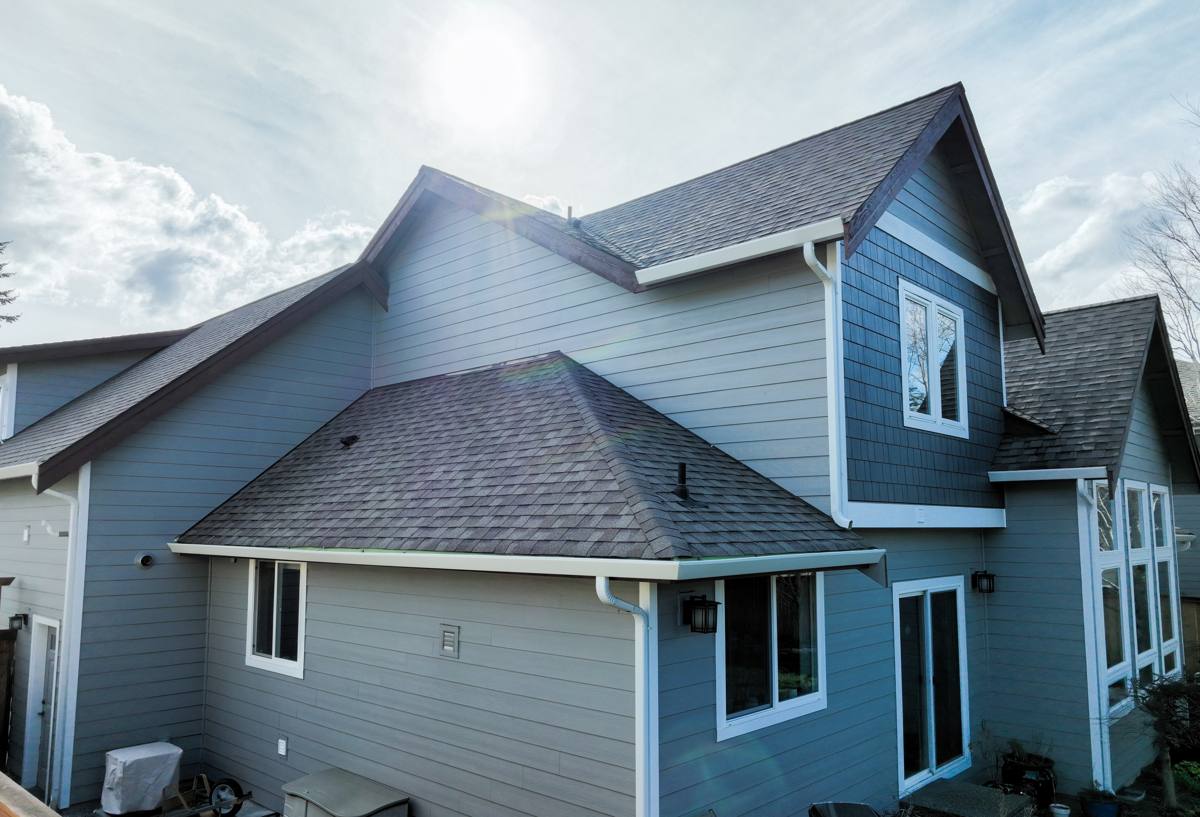
What Land O'Lakes Climate Does to Siding
Land O'Lakes sits inland from the Gulf, but that doesn't mean homes here are spared the coastal-adjacent punishment that wears down exterior materials. Four things drive most of the siding failures we find in this area:
- Hurricane-force wind events: Pasco County gets direct and glancing hits from tropical systems most seasons. Wind doesn't just tear siding off — it drives water behind panels through even small gaps, which is where the real damage starts.
- Intense, near year-round UV exposure: Florida sun breaks down pigments and surface coatings faster than almost anywhere else in the continental U.S. Siding that isn't factory-finished for UV resistance chalks, fades, and becomes brittle years ahead of schedule.
- Wind-driven rain: Afternoon storms here don't fall straight down — wind pushes rain sideways into wall assemblies, stressing seams, laps, and butt joints that were never designed for that kind of pressure.
- Salt air: Even well inland from the coast, Gulf-influenced humidity and salt-laden air accelerate corrosion on fasteners and metal trim, and keep moisture lingering against wall surfaces longer than drier climates ever would.
None of this is unique to Plantation Palms specifically, but it's the reality every home in this part of Land O'Lakes has to stand up to, year after year — and it's why we don't treat siding replacement as a cosmetic project.
Signs Plantation Palms Homeowners Should Watch For
Before you're ready for a full replacement, your siding usually tells you. In this neighborhood, the most common warning signs we're called out for include:
- Visible warping, buckling, or waviness along wall sections, especially on south- and west-facing exposures that take the most direct sun
- Soft or spongy spots when you press on the siding — a strong indicator of moisture intrusion behind the surface
- Paint that's peeling, bubbling, or chalking heavily between paint cycles
- Visible gaps opening at seams, corners, or where siding meets trim, windows, or doors
- Rising cooling bills, which can point to compromised insulation behind failing siding
- Rust streaking from fasteners or trim, a sign that moisture has been sitting against metal for a while
Any one of these on its own might just need a repair. Several at once, or the same issue recurring across multiple walls, usually means the underlying material or the original installation has run its course.
What a Correct Siding Replacement Actually Involves
Ripping off old siding and nailing up new panels is the easy part to picture, but it's not where most siding jobs succeed or fail. A replacement done right in a climate like ours includes:
Full Tear-Off and Substrate Inspection
Once old siding comes off, the sheathing underneath gets inspected for rot, water staining, or soft spots — problems that are invisible until the wall is opened up. Any damaged sheathing gets replaced before anything new goes back on. Skipping this step is the single most common shortcut that leads to hidden failures a few years down the road.
Water-Resistive Barrier and Flashing
Given how much wind-driven rain this area sees, the house wrap and flashing details around windows, doors, and penetrations matter as much as the siding itself. Proper overlap, sealing, and drainage planes are what keep water moving out instead of trapped behind the wall.
Correct Fastening for Wind Zones
Fastener spacing, type, and placement need to match the wind exposure the home actually faces — not a generic pattern. This is where manufacturer installation specs and local wind requirements intersect, and where we pay close attention.
Trim, Caulking, and Finish Details
The visible finish work — corner boards, trim profiles, caulking at joints — is what keeps water out at the details, which is where most leaks actually originate on a poorly finished job.
Why We Only Install James Hardie Fiber Cement
We've made a firm decision as a company: we install James Hardie fiber cement siding, and nothing else. We don't install vinyl, LP SmartSide, Cemplank, Allura, or primed wood products like spruce or cedar. That's not a marketing angle — it's a standard we hold because of what we've seen these products do, and not do, in exactly the conditions Plantation Palms homes face.
Vinyl siding is affordable and low-maintenance in mild climates, but it softens and can warp under sustained high heat, and it has real limits in high-wind events compared to fiber cement. Wood-based products like LP SmartSide use engineered wood strand technology that performs well in many regions, but wood-based substrates are inherently more vulnerable to the sustained humidity and moisture exposure that's constant here — any breach in the factory treatment or a failed installation detail opens the door to swelling and deterioration faster than in a drier climate. Other fiber cement brands like Cemplank and Allura are legitimate products, but we've standardized our crews, our installation training, and our warranty backing entirely around one system rather than splitting attention across multiple product lines — and James Hardie is the one we've chosen to build that standard on.
James Hardie fiber cement is non-combustible, doesn't support insect damage, and holds up to sustained moisture exposure without the swelling risk that comes with wood-based substrates. Its ColorPlus factory-applied finish is engineered specifically to resist the fading and chalking that intense Florida UV causes in field-painted or lower-grade coatings. Hardie's HZ5 product line is engineered for high-humidity, hurricane-exposed climates like ours — it's not a generic product pushed into a market it wasn't designed for.
Product Comparison — What We're Weighing
| Factor | Vinyl | Wood-Based (e.g., LP SmartSide) | James Hardie Fiber Cement |
|---|---|---|---|
| Moisture/humidity resilience | Doesn't absorb water, but can warp in heat | Vulnerable if coating is breached | Engineered for high-humidity climates (HZ5) |
| UV/fade resistance | Fades over time, limited factory protection | Depends on field or factory coating quality | ColorPlus factory finish resists fading |
| Wind performance | Lower impact and wind resistance than fiber cement | Adequate when installed to spec | Rated for high-wind installation |
| Combustibility | Combustible | Combustible (wood-based) | Non-combustible |
| Typical maintenance | Low, but limited repair options if damaged | Moderate — coating upkeep matters | Low, factory finish reduces repainting cycles |
Our Process for Plantation Palms Jobs
Because we work in Land O'Lakes regularly, a Plantation Palms siding replacement follows a process we've refined for this exact area:
- On-site assessment: We walk the full exterior, check for the warning signs above, and inspect any accessible areas where moisture may already be present.
- Written scope and product selection: We go over the specific James Hardie product line and profile that fits your home, along with an honest cost range before any work starts.
- Tear-off and substrate check: Old siding comes off, sheathing gets inspected, and any necessary repairs are addressed before new material goes up.
- Installation to manufacturer and wind-zone spec: Fastening, flashing, and clearances are installed to match both James Hardie's requirements and the wind exposure for this part of Pasco County.
- Final walkthrough: We review trim, caulking, and finish details with you directly before considering the job complete.
Why a Crew That Already Works This Area Matters
Siding installation quality depends heavily on details that don't show up in a brochure — fastener patterns matched to real wind exposure, flashing sequencing around openings, and knowing how a specific product line behaves once summer humidity sets in. A crew that already works Plantation Palms and the surrounding Land O'Lakes neighborhoods has seen how homes here age, which orientations take the hardest UV exposure, and which original installation shortcuts tend to cause the most trouble later. That familiarity translates into fewer surprises during tear-off and a finished product built for what this specific location will actually go through, not a generic install pattern.
What to Check Before Hiring Anyone for This Job
- Are they licensed and insured to do exterior contracting work in Florida?
- Do they specialize in one siding system they can install to full manufacturer spec, or are they spreading attention across many different products?
- Will they inspect and address the sheathing underneath, not just the visible siding?
- Do they provide a written scope covering fastening, flashing, and trim details — not just "replace siding"?
- Can they explain the warranty structure clearly, including what's manufacturer-backed versus installer-backed?
- Do they have experience working in your specific neighborhood or similar Pasco County communities?
Get a Straightforward Estimate
If your Plantation Palms home is showing any of the wear signs above, or you're just planning ahead, we're happy to walk the property and give you a clear, no-pressure assessment of what your siding actually needs. Fill out the form below for a free estimate — no obligation, just an honest look at where your home stands.