 Land O'Lakes Siding
 Siding Repair for Bexley Homes
Bexley is one of the newer, fast-growing neighborhoods in Land O'Lakes, and that newness can be deceiving when it comes to siding. A lot of homeowners assume that because a house was built in the last several years, the siding underneath is in good shape and doesn't need attention. In our experience working on homes throughout Pasco County, age is a poor predictor of siding condition. What matters more is what the siding is made of, how well it was installed and caulked at the factory-builder stage, and how much Florida weather it has absorbed since. Bexley homes take the same beating as older neighborhoods a few miles away — sometimes worse, since many lots sit fairly open with limited mature tree cover to break the wind and sun.
This page covers what siding repair actually looks like when it's done right for a Bexley home, what to watch for, and why the crew doing the work matters as much as the material.
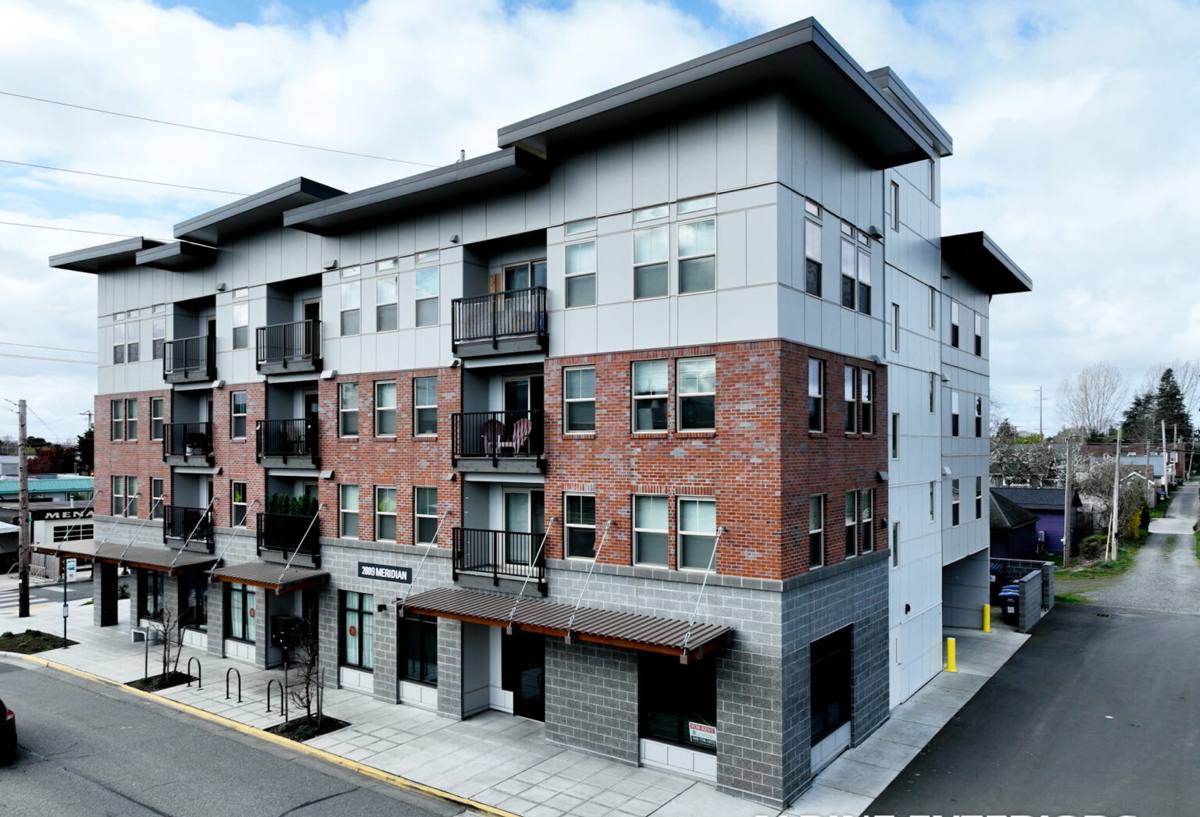
What Land O'Lakes' Climate Does to Siding
Pasco County sits squarely in the path of everything Florida throws at exterior building materials over the course of a year. None of it is exotic — it's the combination and the repetition that wears siding down faster here than in most parts of the country.
- Hurricane-force wind events flex siding panels, work at loose fasteners, and drive rain sideways into every gap in the cladding.
- Intense, year-round UV exposure breaks down paint films and unstabilized coatings, leading to fading, chalking, and eventually cracking on lesser-quality products.
- Wind-driven rain gets forced up under laps and around trim in ways that a light, straight-down rain never would, which is why caulking and flashing details matter so much more here than in drier climates.
- Salt air, carried well inland from the Gulf on prevailing winds, accelerates corrosion on fasteners and metal trim and can degrade certain siding substrates over time.
Individually, a house can tolerate any one of these. Stacked together year after year, they're what separates siding that lasts three decades from siding that starts failing in five to ten years.
Common Siding Damage We See in Bexley
Because Bexley is largely newer construction, the damage patterns we see tend to fall into a few predictable categories rather than the widespread deterioration you'd find on a 30-year-old house.
Installation-Related Issues
Builder-grade siding installation, done under production-home timelines, sometimes skips or shortcuts details that matter in this climate: undersized or missing gaps at butt joints, inconsistent fastener placement, or caulk joints that were never really built to move with the house. These issues often don't show up as visible problems for a few years — they show up as moisture staining, soft spots, or panel movement once the original caulk and finish start to give out.
Storm and Wind Damage
A single strong wind event can crack panels, pop siding loose from studs, or peel back corner trim and J-channel. Even when the damage looks minor from the ground, it often creates an opening for wind-driven rain to get behind the cladding, which can lead to hidden sheathing damage if it isn't addressed.
Caulk and Sealant Failure
UV exposure breaks down sealants faster in Florida than almost anywhere else in the country. Cracked or missing caulk at trim boards, window returns, and panel seams is one of the most common repair calls we get, and it's also one of the easiest problems to fix correctly if it's caught early.
Impact Damage
Lawn equipment, falling limbs, and debris carried by storms all cause localized cracks or holes. Fiber cement handles impact far better than vinyl, but it isn't indestructible, and a cracked panel left unrepaired is an entry point for water.
Signs Your Bexley Home Needs Siding Repair
Most siding problems are visible from the ground if you know what to look for. Walk the exterior of the house a couple of times a year and check for the following:
- Cracked, split, or visibly bowed siding panels
- Soft or spongy spots when pressed gently (a sign of moisture behind the panel)
- Caulk that has pulled away, cracked, or gone brittle at joints and trim
- Peeling or bubbling paint, especially on sun-exposed elevations
- Staining or dark streaking below panel seams
- Visible fastener heads or rust bleed at nail points
- Gaps at corner boards, window trim, or where siding meets the roofline
- Any musty smell or visible mold on interior walls that back up to exterior siding
Any one of these on its own might be a small, inexpensive fix. Several at once, or damage concentrated on one elevation, usually points to a larger moisture issue that's worth having assessed before it spreads.
What a Correct Siding Repair Involves
Siding repair sounds simple — replace the damaged piece — but doing it correctly involves more than swapping a panel. A repair that's done right on a James Hardie fiber cement home includes:
- Diagnosing the cause, not just the symptom. A cracked panel or failed caulk joint is often a symptom of a flashing or drainage problem. Replacing the panel without fixing the cause just buys time before the same spot fails again.
- Checking what's behind the siding. Any repair involving moisture intrusion should include a look at the water-resistive barrier and sheathing underneath, not just the visible cladding.
- Matching the product line and profile. James Hardie panels and trim come in specific profiles, thicknesses, and exposures. A mismatched repair patch is visible from the street and can create a new water path if the reveal or lap doesn't align correctly.
- Color matching properly. ColorPlus factory-finished siding is baked on and UV-cured, which is part of why it holds color so well. A repair patch needs the correct ColorPlus batch or a properly prepped field-paint match — guessing at a paint color leaves a visible patch for years.
- Re-sealing and re-flashing to spec. Fastener patterns, caulk joints, and flashing details all need to follow manufacturer installation requirements, not just "look sealed."
Repair vs. Replacement: What Drives the Decision
Not every siding problem calls for full replacement, and not every problem should be patched. The table below covers the factors that typically decide which direction makes sense.
| Factor | Points Toward Repair | Points Toward Replacement |
|---|---|---|
| Extent of damage | Isolated to one or two elevations or a small area | Spread across most of the home |
| Underlying moisture | Localized, caught early, sheathing intact | Widespread rot or repeated failures at multiple points |
| Age and condition of existing siding | Siding is sound overall, one clear problem area | Siding is near end of service life or was poorly installed originally |
| Color match feasibility | ColorPlus batch or paint match available and close | Discontinued color or heavy fading makes a seamless match unrealistic |
| Cause of failure | One-time event: storm impact, isolated caulk failure | Systemic issue: original install defects, chronic drainage problems |
A straightforward, honest assessment on-site is usually enough to tell which category a given home falls into. We'd rather repair what can genuinely be repaired than upsell a full job that isn't needed.
Our Process for Bexley Siding Repairs
When we go out to look at a repair in Bexley, the process is straightforward:
- On-site inspection. We look at the damaged area, the surrounding siding, and check for moisture or hidden issues behind the visible problem.
- Honest scope and estimate. You get a clear explanation of what's actually needed — repair, partial re-side, or full replacement — and why, along with a written estimate.
- Correct materials. Because we work exclusively in James Hardie fiber cement, we know the product lines and profiles well enough to match what's already on the house, or explain clearly when an exact match isn't possible.
- Proper installation to manufacturer spec. Fastening, clearances, caulking, and flashing are done to Hardie's installation requirements, not shortcuts.
- Cleanup and walkthrough. We walk the completed repair with you before we consider the job done.
Why James Hardie Makes Sense for Siding Repairs
We only install James Hardie fiber cement siding, and that standard applies to repair work as much as full installations. For a climate like Land O'Lakes', Hardie's HZ5 product line is engineered specifically for high-humidity, high-moisture regions like ours, with a formulation designed to resist moisture-related damage better than standard fiber cement formulations built for drier climates. It's also non-combustible, which matters in a state where wildfire and lightning-driven fire risk is real, and it holds up to wind-driven rain and salt air better over the long term than materials that rely on paint film alone for protection.
The ColorPlus factory finish is another reason repairs blend in well when matched correctly — it's baked on and cured to resist Florida's UV load far better than field-applied paint, which is part of why color-matching a repair patch correctly is worth doing right rather than guessing.
Why Hire a Crew That Already Works in Bexley
Siding repair is detail work, and details are where local experience pays off. A crew that has already worked in Bexley knows the general construction patterns common to the neighborhood's builders and the kind of installation shortcuts to check for. We know how Pasco County's storm patterns actually stress a house — which elevations take the worst wind-driven rain, where salt air exposure tends to show up first, and what a properly sealed joint needs to hold up here versus in a milder climate. That local pattern-recognition is the difference between a repair that solves the problem and one that just covers it up until the next storm season.
If you've noticed cracked panels, failing caulk, or staining on your Bexley home, we're happy to take a look and give you a straight answer on what it needs. Reach out for a free, no-pressure estimate — there's a form right below this page to get started.