 Land O'Lakes Siding
 Siding Repair Built for Wiregrass Ranch's Climate
Homes in and around Wiregrass Ranch face a tougher exterior environment than most homeowners realize. Between hurricane-force wind events, near-constant UV exposure, wind-driven rain, and the salt-laden air that drifts inland across Pasco County from the Gulf, siding here takes a beating year-round — not just during storm season. When siding starts to crack, buckle, gap, or discolor, the cause is rarely a single event. It's usually the cumulative effect of Florida's climate working on a material that either wasn't built for it or wasn't installed correctly in the first place.
This page covers what siding repair actually involves for homes in this area, what correct repair work looks like, and why the material we use to make those repairs matters as much as the labor itself.
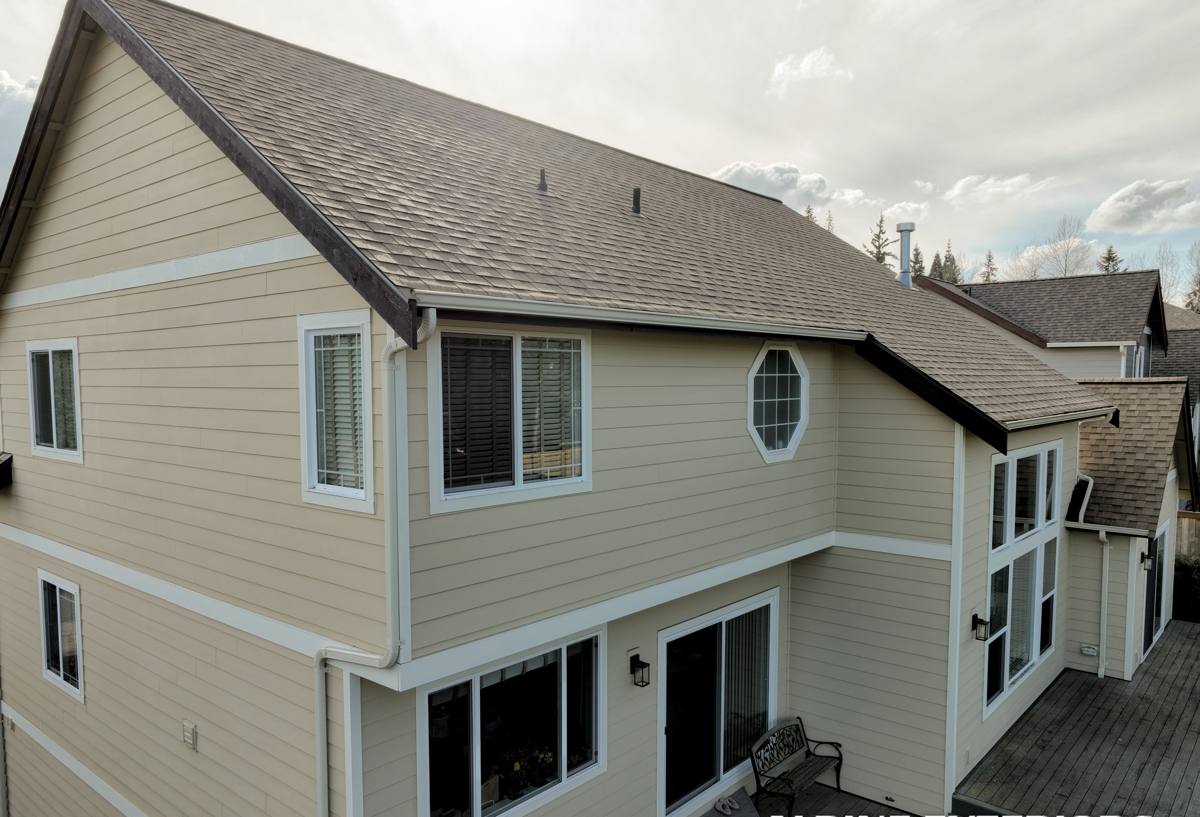
What Florida's Climate Does to Siding Over Time
Every siding material reacts differently to heat, moisture, and wind, but the damage patterns we see repeatedly in this part of Pasco County follow a predictable script:
Wind and Pressure Damage
Hurricane-strength gusts don't just tear siding off in dramatic fashion — more often they work panels loose at the fasteners, flex them repeatedly, and create small gaps that let wind-driven rain get behind the cladding. Once water gets behind siding, the real damage starts on the sheathing and framing underneath, not on the visible surface.
UV Breakdown
Florida sun is intense and constant. Coatings and pigments that hold up fine in milder climates fade, chalk, or become brittle here within a few years. Sun-facing elevations — typically west and south walls — almost always show wear first and worst.
Moisture and Humidity
High humidity combined with wind-driven rain means siding is rarely fully dry. Materials that absorb moisture, or that trap it behind an imperfect seal, are prone to swelling, softening, or hidden rot long before any damage is visible from the ground.
Salt Air Exposure
While Wiregrass Ranch isn't directly on the coast, Gulf-influenced salt air still reaches inland Pasco County, especially during onshore wind patterns. Salt accelerates corrosion of fasteners and trim metal and speeds up the breakdown of lower-grade coatings.
Signs Your Home Needs Siding Repair
Most siding problems are visible well before they become structural. Homeowners in Wiregrass Ranch should walk their exterior a couple of times a year and watch for:
- Cracked, split, or warped panels, especially near corners and window trim
- Visible gaps or separation between siding boards or panels
- Soft or spongy spots when pressed (a sign of moisture intrusion behind the surface)
- Peeling, bubbling, or chalky paint/coating that wipes off on your hand
- Discoloration or dark streaking, particularly on north-facing or shaded walls
- Loose, popped, or missing fasteners after a windstorm
- Visible swelling or bulging along panel edges or seams
- Increased pest activity around siding seams or bottom edges
Any one of these on its own might be minor. Several appearing together, or appearing repeatedly in the same spot, usually points to a moisture or installation problem that a simple patch won't solve.
What a Correct Repair Actually Involves
A quality siding repair is not just swapping a damaged board for a new one. Done right, it includes:
Diagnosis Before Demolition
We pull back damaged sections to check the condition of the underlying sheathing, house wrap, and flashing before deciding on a repair scope. Repairing over hidden rot or a failed moisture barrier just delays the same failure.
Matching Material and Method
Repairs should match the existing product's profile, reveal, and fastening pattern as closely as possible — mismatched repairs are one of the most common cosmetic complaints we hear about work done by out-of-area or one-time crews.
Proper Flashing and Sealing
Every seam, corner, and penetration point (hose bibs, light fixtures, vents) needs correct flashing and sealant designed for exterior use in a hot, humid climate — not just caulk smeared over a gap.
Fastener Grade and Placement
Given the salt air exposure common to this part of Florida, we use corrosion-resistant fasteners placed according to manufacturer spec, not just "wherever holds for now."
Repair vs. Replacement: How We Help You Decide
Not every damaged section needs full replacement, but not every repair is worth doing either. Here's how we evaluate it:
| Factor | Favors Repair | Favors Replacement |
|---|---|---|
| Extent of damage | Isolated to one or two sections | Spread across multiple elevations |
| Underlying moisture | Sheathing and framing are dry and sound | Rot or water damage found behind siding |
| Age of existing siding | Siding is relatively young, still under warranty | Siding is near or past its expected service life |
| Material condition | Surrounding panels are stable and colorfast | Widespread fading, chalking, or brittleness |
| Root cause | Storm damage to an otherwise sound install | Recurring failure pointing to a systemic install issue |
We'll always tell you honestly which category your home falls into — including when a repair is the right call, even if replacement would be a bigger job for us.
Our Repair Process
- On-site inspection — we assess the full elevation, not just the obviously damaged spot, since Florida's climate rarely damages siding in isolation.
- Moisture and structural check — damaged sections are opened up to confirm the sheathing and framing underneath are sound before any repair is finalized.
- Scope and honest recommendation — you get a clear explanation of what's failing, why, and whether repair or partial replacement is the better long-term move.
- Repair execution — proper flashing, correct fasteners, and material matched as closely as possible to your existing siding.
- Final walkthrough — we review the completed work with you and point out anything else worth watching going forward.
Why Hiring a Crew That Works Wiregrass Ranch Matters
Siding repair is a trade where local, repeat experience shows. A crew that regularly works in Wiregrass Ranch and the broader Land O'Lakes area already knows which elevations tend to take the worst UV exposure, how wind patterns off approaching storms tend to stress certain home orientations, and what kind of moisture intrusion shows up most often in homes of a given age and construction style in this part of Pasco County. That local pattern recognition means faster, more accurate diagnosis — and fewer repeat visits for the same problem.
It also means accountability. A contractor who plans to keep working in your neighborhood has every incentive to do the job right the first time, stand behind the warranty, and be reachable if a question comes up six months later — not just after a storm brings a wave of out-of-town crews through the area.
Why We Repair — and Replace — With James Hardie Fiber Cement
We install and repair with James Hardie fiber cement exclusively. We don't install vinyl, LP SmartSide, Cemplank, Allura, or wood siding, and here's the honest reasoning behind that when it comes to repair work specifically:
When a repair calls for replacing a damaged section, the material going back on the wall matters as much as the workmanship. Vinyl can look fine for years and then crack in a single hard freeze snap or hail strike, and it softens and warps under sustained heat exposure. Engineered wood products depend heavily on flawless caulking and painting to keep moisture out — miss one seam in a humid climate like ours and you're looking at swelling or rot down the line. Cedar and other wood sidings require ongoing maintenance to resist the rot and insect pressure that Florida's humidity practically guarantees over time.
James Hardie fiber cement is non-combustible, engineered specifically for hot, humid, storm-prone climates through its HZ product line, and finished with a factory-applied ColorPlus finish that resists the fading and chalking we see so often on UV-battered elevations in this area. It also carries a strong transferable warranty — meaningful protection for a homeowner who wants a repair or replacement that actually lasts through the next decade of Florida summers and storm seasons, not just the next one.
When we do a spot repair on a home with a different existing siding material, we'll tell you plainly what to expect from a like-for-like patch versus what upgrading that section — or eventually the whole elevation — to Hardie would mean for durability. No pressure, just the trade-offs.
Get a Free, No-Pressure Estimate
If your Wiregrass Ranch home has siding that's cracked, gapped, discolored, or just hasn't looked right since the last storm rolled through, we'll come take a real look — not a sales pitch. You'll get an honest read on whether it's a repair, a partial replacement, or something bigger, and a clear estimate to match. Use the form below to schedule your free evaluation.