 Land O'Lakes Siding
 Concord Station Roofs Work Harder Than Most People Realize
Concord Station homes sit under a Florida sun that doesn't take a day off, and the roof is the single component absorbing all of it. In Land O'Lakes and across Pasco County, a roof isn't just shedding rain — it's managing year-round UV degradation, sudden tropical downpours that come in sideways on gusty afternoons, and the structural stress that comes with named storms and hurricane-force wind events. Add in stretches of humid, still air that keep attics warm and moisture lingering, and you've got a roofing system that ages differently here than it would in a milder climate.
Homeowners in this neighborhood often ask us the same question: is it time to repair again, or replace? The honest answer depends on the age of the roof, the condition of the decking underneath, and how the original installation held up to years of sun and storms. This page walks through what a correct replacement actually involves, what it should cost to think about (not a fixed price, but the real cost drivers), and why local experience with Concord Station specifically makes a measurable difference.
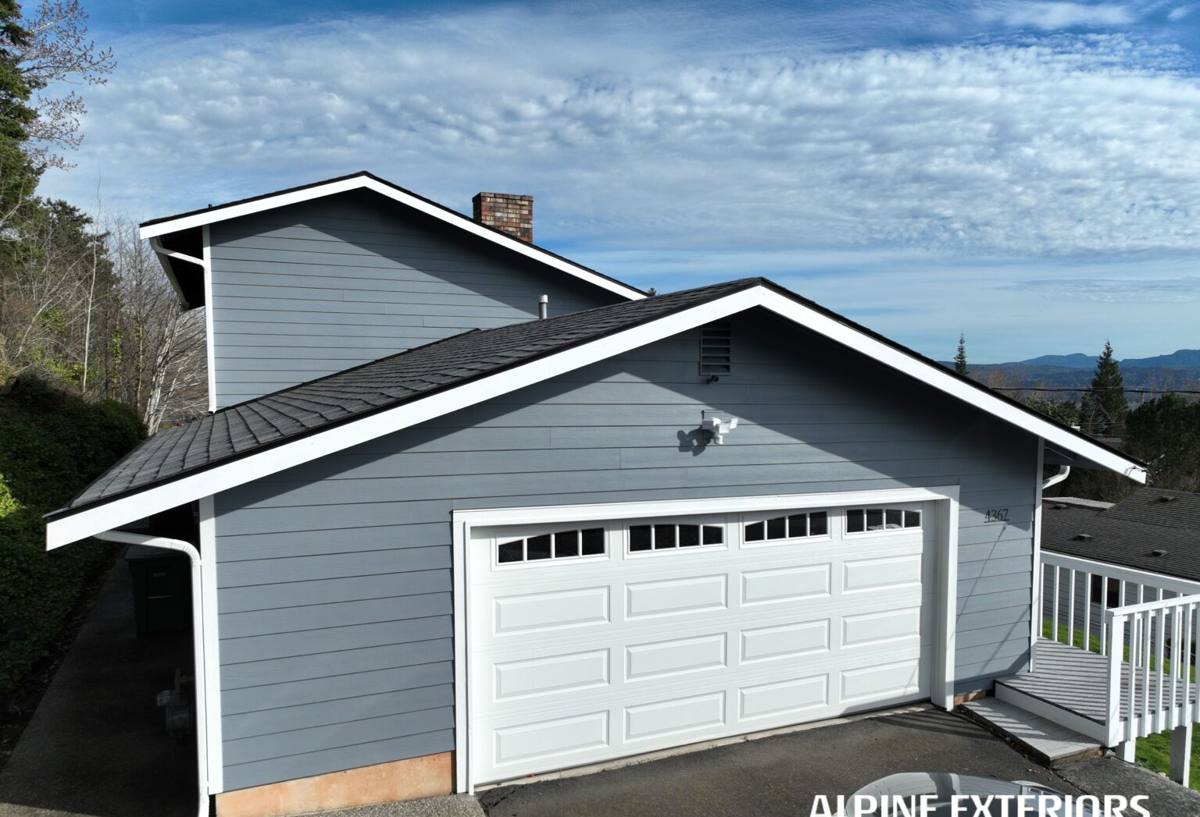
What Local Conditions Actually Do to a Roof
UV and Heat
Asphalt shingles rely on granules and asphalt oils to stay flexible and reflective. Intense, near-constant Florida sun bakes those oils out faster than in northern climates, which is why a shingle rated for 25-30 years in a cooler region often shows real wear here well before that mark. Attic heat compounds the problem, cooking the underside of the roof deck and shortening the life of underlayment and decking fasteners.
Wind-Driven Rain
It's not just how much rain falls — it's the angle it falls at. Wind-driven rain during storms and hurricane season pushes water sideways and upward under shingle tabs, around flashing, and into any gap that a lower-wind climate installation might get away with. A roof built for this area needs sealed laps, properly integrated flashing, and fastening patterns that assume the rain won't just fall straight down.
Wind Load and Uplift
Pasco County sits in a hurricane-exposed wind zone, and the Florida Building Code reflects that with specific requirements for fastening patterns, nailing schedules, and underlayment attachment. A roof that isn't installed to code for this wind zone is a roof that's more likely to lose shingles — or worse, an entire section of decking — in a serious wind event.
Salt-Laden Air
Land O'Lakes is inland relative to the immediate coast, but Gulf breezes still carry some salt-laden moisture this direction, especially during onshore wind patterns. Over years, that moisture contributes to corrosion on exposed metal fasteners, flashing, and vents if those components aren't rated for coastal-adjacent exposure.
What a Correct Roof Replacement Actually Involves
A roof replacement is not just stripping old shingles and laying new ones. Done correctly, it's a system — every layer has to work with the layers around it.
Tear-Off and Deck Inspection
Full tear-off exposes the decking, which is the one part of the roof you cannot properly inspect from the ground or an attic walk. Soft spots, delaminated plywood, and fastener pull-through from age or prior storm stress need to be found and replaced before anything new goes down. Skipping this step — or "roofing over" old material — hides problems instead of fixing them.
Underlayment and Flashing
Underlayment is the roof's backup water barrier, and in a wind-driven rain climate it matters as much as the shingles themselves. Flashing around chimneys, skylights, walls, and roof-to-wall transitions is where most leaks actually originate, not in the open field of shingles. Correct flashing integration takes more time and skill than most homeowners realize, and it's the detail that separates a roof that leaks in year three from one that doesn't.
Ventilation
A hot, poorly ventilated attic shortens shingle life from underneath, even if the top side looks fine. Balanced intake and exhaust ventilation keeps attic temperatures and moisture in a reasonable range, which protects both the new roofing materials and the decking below.
Fastening to Code
Nailing patterns, fastener count, and underlayment attachment method all need to match Florida Building Code requirements for this wind zone — not a generic national standard. This is the part of the job that's invisible once the roof is finished, which is exactly why it needs to be done right the first time.
Comparing Roofing Materials for This Climate
There's no single "best" roofing material — the right choice depends on budget, how long you plan to stay in the home, and how much maintenance you're willing to do. Here's how the common options stack up for a Land O'Lakes home:
| Material | Typical Lifespan Here | Wind Performance | Maintenance |
|---|---|---|---|
| Architectural asphalt shingle | 18-25 years | Strong when installed to code with proper fastening | Low; periodic inspection |
| Standing seam metal | 35-50+ years | Excellent uplift resistance, fewer failure points | Very low; occasional fastener/seam check |
| Concrete or clay tile | 40-50+ years for the tile itself | Good if battens/fastening are storm-rated; underlayment wears faster than the tile | Moderate; underlayment often needs replacement before tile does |
We install architectural shingles and metal roofing as our standard offerings because both give homeowners a predictable, well-documented warranty structure and a fastening system that's straightforward to install correctly and inspect later. Tile has real advantages in longevity and appearance, but the underlayment beneath it wears out well before the tile itself does, and replacing that underlayment later means pulling and resetting the tile — a maintenance burden worth weighing honestly against the upfront cost.
Our Roof Replacement Process
Every roof we replace in Concord Station follows the same sequence, because skipping steps is where problems start.
- On-site inspection and estimate. We check the decking (where accessible), attic ventilation, flashing points, and current wind mitigation features, then walk you through honest options.
- Permitting. Pasco County requires a permit for roof replacement, and we pull it before work begins — not after.
- Material staging. Materials are delivered and staged to minimize time your roof spends partially exposed.
- Tear-off and deck repair. Old roofing comes off, decking is inspected and any damaged sections are replaced.
- Dry-in. Underlayment goes down the same day the deck is exposed whenever possible, so your home isn't left vulnerable overnight.
- Flashing and material installation. Flashing is installed or replaced at every penetration and transition, then the roofing material goes on to code-compliant fastening specs.
- Final inspection and cleanup. County inspection is scheduled, and the property is cleared of debris and nails using a magnetic sweep.
Permits, Wind Mitigation, and Insurance
A roof replacement in Pasco County requires a building permit and a final inspection — this isn't optional paperwork, it's what confirms the work meets Florida Building Code wind requirements for this zone. Once the new roof passes inspection, it's worth asking your insurance agent about a wind mitigation inspection. Homes with newer roofs, proper fastening documentation, and updated wind mitigation features often qualify for meaningful premium credits, since insurers price risk based partly on roof age and construction detail.
Concord Station is a planned community, and like most HOA-governed neighborhoods, roofing material, color, and sometimes style may need to align with community guidelines before work begins. We factor that into scheduling so it doesn't become a surprise delay mid-project.
Signs Your Roof Needs Replacement, Not Just Repair
Not every roofing issue means a full replacement — but certain signs point to a roof that's past the point where patching makes sense:
- Granules collecting heavily in gutters or at downspout outlets
- Shingles that are curling, cupping, or losing their tabs in multiple areas
- Visible sagging anywhere along the roofline
- Daylight visible through the roof deck from inside the attic
- Repeated leaks in different locations after previous repairs
- A roof approaching or past 20 years old with no major work done
- Missing or damaged flashing around chimneys, vents, or walls
- Soft or spongy spots when walking the roof surface
If you're only seeing one or two of these and the roof is relatively young, a targeted repair may still make sense. Multiple signs together, especially on an older roof, usually mean replacement is the more cost-effective path long-term.
Why Local Experience in Concord Station Matters
A crew that already works in this neighborhood knows the practical details that speed up a project and prevent avoidable mistakes: the general permitting timeline through Pasco County, what HOA architectural review typically expects, and how homes in this specific area were originally built and roofed. That familiarity means fewer surprises during tear-off, a smoother permitting process, and a crew that can move quickly when a storm is approaching and you need a straight answer about timeline — not a contractor learning the area on your job.
It also matters for accountability. A company with an ongoing presence in Land O'Lakes has a reputation to protect in the community long after the last shingle is nailed down, which is a different incentive than a crew that rolls through once after a storm and moves on.
Caring for Your New Roof
A properly installed roof still benefits from basic upkeep. Keep gutters clear so water doesn't back up under the roof edge, trim overhanging branches that can drop debris or scrape shingles during wind, and have the roof visually checked after any major storm — not to find problems yourself, but to know when it's worth a professional look. Most manufacturer warranties also expect reasonable maintenance to stay valid, so a quick annual check is worth the small effort.
If your Concord Station roof is showing its age or you're planning ahead of the next storm season, we're happy to take a look and give you a straightforward, no-pressure estimate — just fill out the form below and we'll set up a time to come out.