 Land O'Lakes Siding
 Roof Repair Built for Plantation Palms' Climate
Plantation Palms is one of the established golf-course communities that make up Land O'Lakes, and like every roof in this part of Pasco County, the ones here take a real beating over time. It isn't one dramatic event that does the damage — it's the accumulation. Intense, near year-round UV bakes shingles and dries out sealants. Sudden Florida downpours drive rain sideways into flashing and fascia. Tropical systems and straight-line hurricane-force winds test every nail, seam, and ridge cap. Even inland communities like this one pick up a share of salt-laden Gulf air on onshore breeze days, which slowly works on exposed metal fasteners and flashing. None of that means a roof is doomed — it means repairs need to be done correctly the first time, with materials and techniques matched to what actually causes damage here, not a generic patch job.
What Makes Plantation Palms Roofs Different
Every neighborhood has its own roofing quirks based on when it was built, what materials were used, and how the homes are laid out. Plantation Palms is a mature, well-landscaped community, and that maturity cuts both ways — it's attractive, but it also means more roofs are reaching the age where minor issues turn into real leaks if they're ignored.
Common roofing systems in the neighborhood
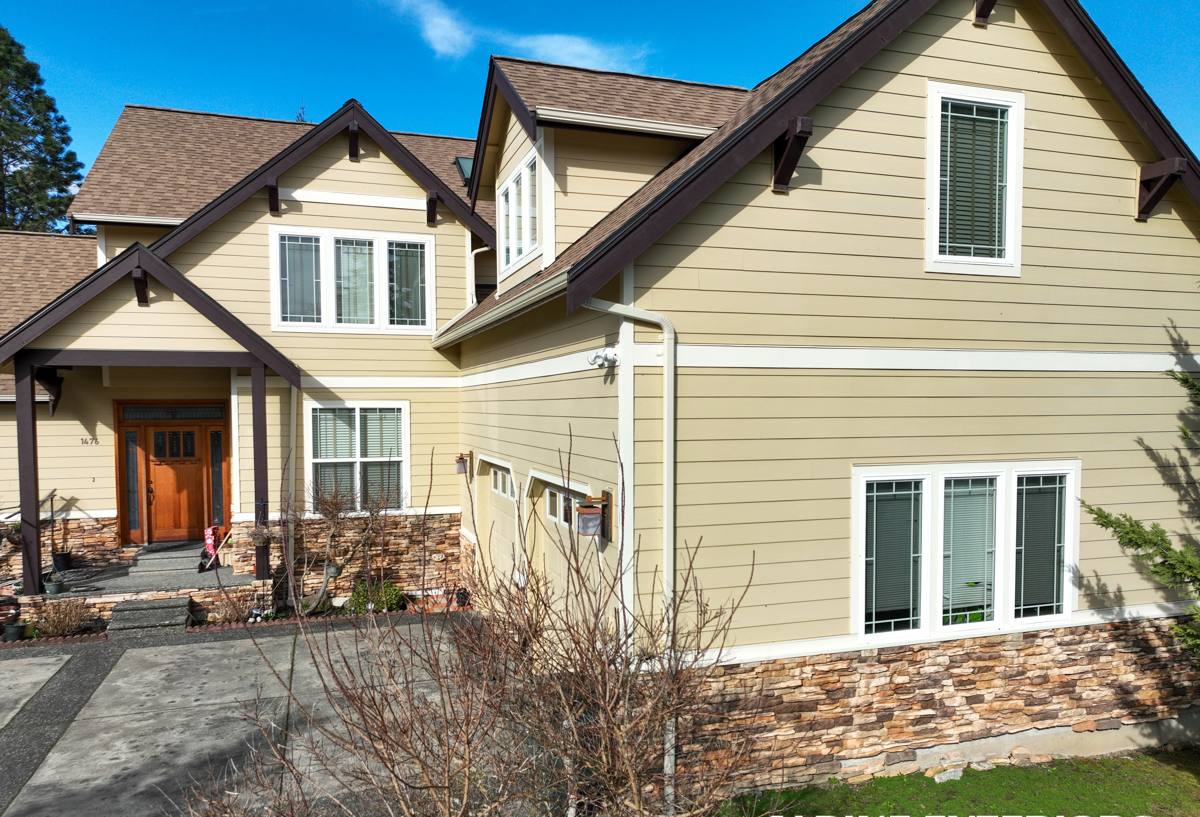
We see a mix of dimensional asphalt shingle roofs and tile roofs throughout this part of Land O'Lakes, often on homes with multiple roof planes, hips, and valleys rather than simple gable designs. More roof intersections mean more flashing, more valleys, and more places for water to find a weak point — which is exactly where most repair calls originate.
Typical wear patterns we see
Mature tree canopy in established communities like this one keeps roofs shaded in spots, which sounds beneficial but actually promotes algae and moss growth in the areas that stay damp longest. Meanwhile, south- and west-facing slopes take the brunt of the afternoon sun and show UV wear — cracked or curling shingles, brittle sealant — years before the shaded sides do. A roof repair that only looks at the obvious leak and ignores these uneven wear patterns tends to be back on our schedule within a year or two.
Common Roof Repair Issues in This Area
Most of the repair calls we run in Land O'Lakes fall into a short list of recurring problems. Recognizing them early is the difference between a targeted repair and a much larger project.
- Wind-lifted or missing shingles after a storm, especially near ridges and roof edges where wind uplift is strongest
- Flashing failures around chimneys, skylights, and roof-to-wall transitions — often the actual source of a leak that shows up as a ceiling stain somewhere else
- Cracked or slipped roof tiles from foot traffic, falling limbs, or age-related brittleness
- Valley leaks where two roof planes meet and heavy rain concentrates volume faster than aging materials can shed it
- Soffit and fascia rot from long-term moisture intrusion at the roof edge, often unnoticed until paint starts peeling or wood feels soft
- Algae and moss staining on shaded slopes, which isn't just cosmetic — it holds moisture against the roofing material
- Nail pops and sealant failure from UV exposure and thermal expansion/contraction cycling
What a Proper Roof Repair Actually Involves
Not all "roof repairs" are the same job. A lot of cheap, fast repairs amount to caulk over a symptom rather than a fix for the actual cause — and in this climate, that shows up again within a season or two.
| Quick Patch Approach | Proper Repair Approach |
|---|---|
| Caulk or roofing cement applied over the visible leak point | Source of the leak traced first — often several feet from where water actually appears inside |
| Reuses existing flashing even if it's corroded or improperly lapped | Flashing replaced and correctly layered with underlayment, not just sealed on top |
| Matches shingle or tile color loosely, or skips replacement pieces | Replacement materials matched as closely as possible to existing roofing for a consistent look |
| No inspection of surrounding roof deck for hidden water damage | Roof deck checked around the repair area for soft spots or rot before closing it back up |
| No documentation of what was found or repaired | Clear explanation of the cause, the fix, and what to watch going forward |
The difference isn't always visible from the ground the day the work is finished. It shows up — or doesn't — during the next heavy storm.
Our Roof Repair Process
When we take a repair call in Plantation Palms, we work the same way every time, because skipping steps is how small leaks turn into big ones.
- Inspection first. We walk the roof (weather permitting) and check the attic side where possible, since interior staining rarely lines up exactly with the exterior entry point.
- Diagnose the actual cause. We trace water paths rather than assuming the nearest visible damage is the source.
- Explain what we found. Before any work starts, you get a plain explanation of the problem, the fix, and roughly what it involves — no pressure, no upsell script.
- Match materials. Shingles, tile, and flashing are matched as closely as possible to your existing roof so the repair doesn't stand out.
- Repair the deck if needed. If we find rotted or water-damaged decking under the roofing material, that gets addressed as part of the repair, not left for the next contractor to find.
- Clean up completely. Old materials, nails, and debris are removed from the roof, gutters, and yard before we consider the job done.
Repair or Replace? Making the Right Call
Not every roof problem calls for a full replacement, and not every roof can be reasonably repaired forever. Part of doing this job honestly is telling homeowners which situation they're actually in.
| Repair Usually Makes Sense When | Replacement Is Worth Discussing When |
|---|---|
| Damage is isolated to one area (a valley, a section of flashing, a handful of shingles or tiles) | Damage is spread across multiple sections of the roof rather than one localized spot |
| The roof is younger than its expected service life and otherwise in good condition | The roof is at or beyond its typical service life and repairs are becoming frequent |
| The roof deck underneath is sound with no widespread rot | Multiple areas of the deck show water damage when repairs are opened up |
| Matching materials are still reasonably available | The existing shingle or tile line is discontinued and mismatches are unavoidable |
If your roof falls into a gray area, we'll say so directly rather than defaulting to whichever answer is more profitable for us. Plenty of Plantation Palms roofs just need a well-done repair, and we'd rather earn a long-term relationship than push a replacement that isn't necessary yet.
Why Hire a Crew That Already Works in Plantation Palms
Local familiarity matters more on a roof repair than most homeowners expect. A crew that regularly works this part of Land O'Lakes already knows which roofing lines and tile profiles are common in established communities, which makes color and profile matching faster and more accurate. We're also familiar with Pasco County permitting requirements for roof work, so repairs that need a permit get one — which protects you if you ever sell the home and a buyer's inspector asks about roof work history.
There's also a simpler reason local experience matters: response time. When a storm rolls through the Tampa Bay area and wind pulls up a section of shingles or cracks tile, a crew that's already working nearby can usually get eyes on the damage faster than one dispatching from across the region. That matters when the difference is a tarp going up the same day versus water sitting on exposed decking through another round of rain.
Signs You Need Roof Repair Now
Some roof problems can wait for a scheduled inspection. Others shouldn't. If you're seeing any of the following, it's worth a call sooner rather than later:
- Water stains on ceilings or upper interior walls, especially after heavy rain
- Missing, cracked, or visibly curling shingles, or cracked/slipped roof tiles
- Granules from asphalt shingles collecting in gutters or at downspout outlets
- Daylight visible through the roof deck from inside the attic
- Soft or spongy spots when walking the roof (or soft fascia boards at the edge)
- Visible gaps or lifted sections around chimneys, vents, or skylights
- Sagging areas anywhere on the roofline
- Dark streaking or moss buildup that's spreading rather than staying isolated
Protecting Your Roof Between Repairs
A repair fixes what's broken, but a little routine attention keeps the next repair further out. Keep gutters and valleys clear of leaves and debris so water has a clear path off the roof. Trim back tree limbs that overhang the roofline to cut down on both physical damage and the shade that encourages algae growth. After any major wind event, a quick visual check from the ground — or a call to have it looked at professionally — can catch a lifted shingle or slipped tile before the next rain turns it into an interior leak.
If you're dealing with a leak, storm damage, or just want an honest opinion on a roof that's showing its age, we're glad to take a look. Fill out the form below for a free, no-pressure estimate — we'll tell you what we actually find, not just what's easiest to sell.