 Land O'Lakes Siding
 Roof Repair for Odessa Homes
Odessa sits in the more rural, tree-covered stretch of Pasco County just west of Land O'Lakes, and the roofs out here take a different kind of beating than roofs closer to the coast or in tighter subdivisions. Bigger lots usually mean more mature oak and pine canopy overhead, which brings shade — but also falling limbs, constant leaf and pollen buildup in valleys, and shingles that stay damp longer after a storm because they're shaded from the sun that would otherwise dry them out. Add in the same hurricane-force wind gusts, wind-driven rain, and relentless UV exposure that hit the rest of the Tampa Bay area, and you've got a roof that's working hard from every direction.
Roof repair here isn't about slapping a patch over a stain and moving on. Done right, it means finding the actual entry point for water, understanding why that spot failed, and fixing it so the same call doesn't come back after the next thunderstorm rolls through.
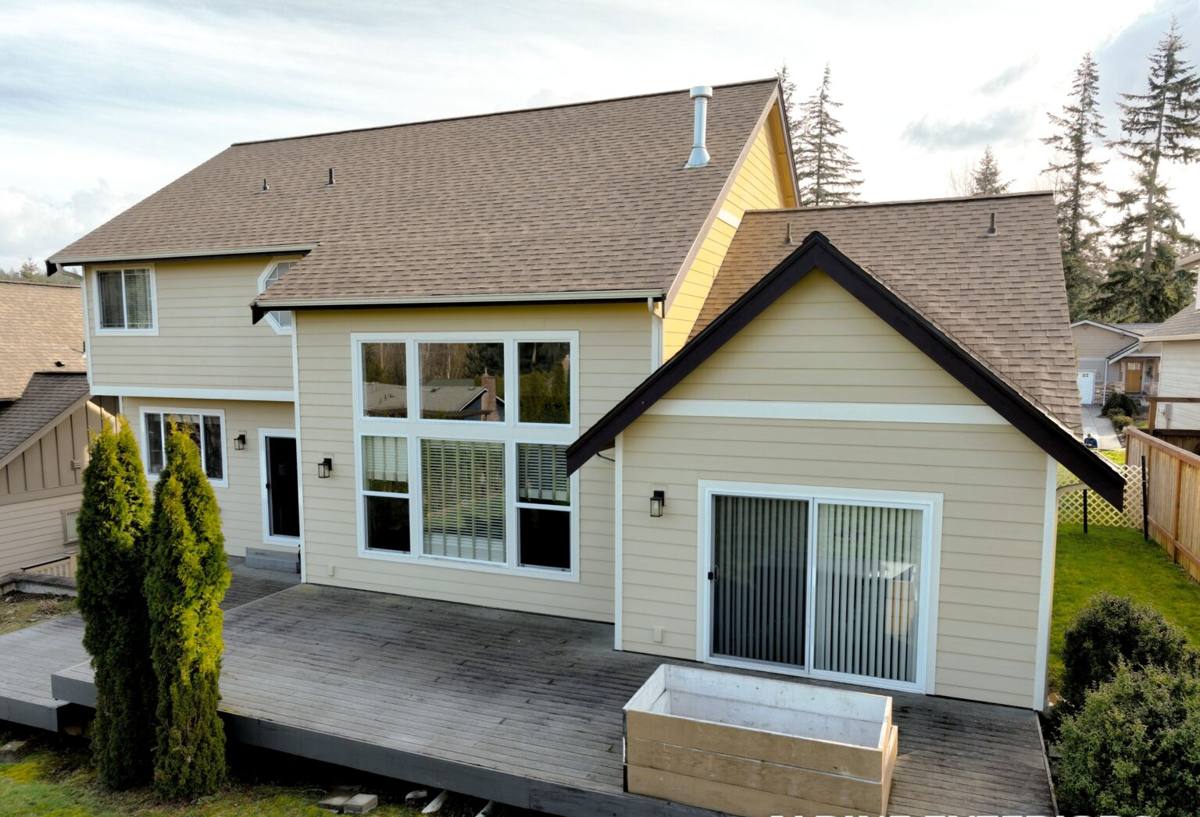
Common Roof Problems We See in Odessa
Wind and Debris Damage
Land O'Lakes and Odessa both sit in a corridor that gets direct hits from tropical systems and the seasonal severe thunderstorms that build over the Gulf and push inland every summer afternoon. Wind uplift on shingle edges, ridge caps, and hip lines is one of the most common repair calls we get. On tree-heavy Odessa lots, wind-thrown branches and debris add a second layer of risk — punctures, cracked tiles, and dented metal panels that wouldn't happen on a more open lot.
Sun and Heat Breakdown
Central Florida's UV exposure is intense nearly year-round, and it doesn't take a break for cloud cover — heat and UV break down asphalt shingle granules and oils over time, leaving shingles brittle, curled, or cracked well before they'd fail in a milder climate. On the sections of a roof that get full afternoon sun, this shows up faster than on the shaded, tree-covered sides.
Wind-Driven Rain and Flashing Failures
Florida storms rarely fall straight down. Wind-driven rain gets pushed sideways up under shingle tabs, around chimneys, skylights, and any place where flashing meets a wall or vent pipe. Most "mystery leaks" homeowners deal with trace back to flashing that's lifted, corroded, or was never sealed correctly in the first place — not a failure of the shingles themselves.
Salt Air and Metal Corrosion
Odessa is inland compared to beachfront communities, but the salt air that moves off the Gulf still reaches this far, especially during onshore wind events. Over years, that salt exposure accelerates corrosion on exposed fasteners, metal flashing, and any galvanized components that weren't rated for coastal-influenced air.
Signs Your Odessa Roof Needs Repair
- Water stains on ceilings or in the attic, especially after a heavy rain or wind event
- Missing, cracked, or curling shingles — check after any storm with sustained wind
- Granules collecting in gutters or at downspout outlets
- Soft or sagging spots when walking the roof deck (a sign of trapped moisture underneath)
- Visible daylight or gaps around flashing at chimneys, vents, or skylights
- Dark streaking or moss/algae growth on shaded, tree-covered sections
- Fastener rust bleed-through on metal roofing or trim
Any one of these on its own might be minor. Several at once, or anything paired with an active leak, means it's time to get a professional look before the next storm turns a small problem into a bigger one.
What a Correct Roof Repair Actually Involves
A repair that lasts starts with finding the real cause, not just the visible symptom. Water can travel a surprising distance under a roof deck before it shows up as a stain on a ceiling below, so a repair that only addresses where the stain appeared — without tracing it back to the actual entry point — is likely to fail again.
Our approach on every repair call includes:
- Full roof inspection, not just the reported problem area — one weak spot is often a sign of others nearby, especially after a storm
- Tracing the leak path from the interior damage back to its source on the roof surface
- Removing and replacing damaged material — shingles, underlayment, flashing, or decking — rather than layering new material over compromised sections
- Correcting the underlying cause, whether that's failed flashing, worn sealant, exposed fasteners, or ventilation issues that trap moisture
- Matching materials as closely as possible to your existing roof for a repair that blends in rather than standing out
- Verifying the fix before we consider the job done, including checking surrounding areas that took the same storm exposure
Our Roof Repair Process
We keep the process straightforward because homeowners dealing with a leak don't need extra hassle on top of it:
- Inspection and estimate: We walk the roof and attic, document what we find, and give you an honest read on what's actually needed — no upsell to a full replacement if a repair will do the job.
- Written scope and price: You know what's being done and what it costs before any work starts.
- Repair work: Most repairs are completed in a single day, weather permitting — Florida's afternoon storm pattern sometimes means scheduling around it.
- Cleanup and final walkthrough: We clear debris and old material, and go over the completed repair with you before we leave.
Repair vs. Replacement: How We Decide
| Factor | Leans Toward Repair | Leans Toward Replacement |
|---|---|---|
| Age of roof | Under 12-15 years | Nearing or past expected lifespan |
| Extent of damage | Isolated to one area or system | Widespread across multiple sections |
| Underlying deck condition | Solid, no rot or soft spots | Multiple areas of deck damage |
| Storm history | Single recent event | Repeated damage over several seasons |
| Shingle/material condition elsewhere | Rest of roof still holding up well | Granule loss, curling, or brittleness roof-wide |
We'll always tell you honestly which side of that table your roof falls on. A well-executed repair on a roof with years of life left is the more responsible recommendation — and it's usually the one we make.
Cost Factors for Roof Repair
Every repair is different, but the price generally comes down to a handful of variables:
| Factor | Why It Matters |
|---|---|
| Roof material | Asphalt shingle, tile, and metal each require different repair techniques and materials |
| Size and location of damage | A small flashing repair costs far less than a section with deck damage or multiple leak points |
| Roof pitch and accessibility | Steeper roofs or hard-to-reach areas take more time and safety setup |
| Underlying damage | If water has reached the decking or framing, that material has to be addressed too |
| Material matching | Discontinued or older shingle colors can be harder to match than current product lines |
Simple repairs — a section of lifted shingles or a resealed flashing point — are typically a modest, same-day expense. Repairs involving deck replacement or larger storm-damaged sections cost more and take longer. We give you the real number after we've actually looked at the damage, not a phone-quote guess.
Why Hiring a Crew That Already Works Odessa Matters
Odessa's roofs sit under different conditions than a roof three miles away in a newer, treeless subdivision. A crew that regularly works this area already knows to check for shaded moss growth on the north side of tree-covered lots, to expect debris buildup in valleys under oak canopy, and to look closely at flashing on the older homes and larger custom builds common out here. That local familiarity means fewer surprises and a repair that accounts for how your specific property actually behaves in a storm — not a generic fix applied the same way everywhere in Pasco County.
It also means faster response after a storm. When wind damage hits a wide area at once, having a crew that already knows the roads and the housing stock in Land O'Lakes and Odessa gets your repair scheduled sooner instead of waiting behind a backlog of contractors learning the area for the first time.
Protecting Your Roof Between Repairs
- Clear leaves and debris from valleys and gutters regularly, especially under oak canopy
- Trim overhanging branches that could drop limbs onto the roof in high wind
- Have the roof inspected after any major storm, even if you don't see obvious damage
- Check attic ventilation periodically — poor airflow traps heat and moisture that accelerate wear
- Address small leaks immediately rather than waiting for them to spread
If you're dealing with a leak, storm damage, or just want an honest opinion on the condition of your roof, we're glad to come take a look. We offer free, no-pressure estimates for Odessa and Land O'Lakes homeowners — fill out the form below and we'll get you scheduled.