 Land O'Lakes Siding
 Roof Repair Built for Citrus Park's Climate
Citrus Park homes sit right in the path of everything Central Florida's weather can throw at a roof. Hurricane-force wind gusts test every nail and fastener. Intense, near-constant UV exposure bakes shingles and breaks down sealants faster than in milder climates. Wind-driven rain finds its way into any gap in flashing or underlayment, and while Citrus Park isn't directly on the coast, salt-laden air still drifts inland across Pasco County and accelerates corrosion on metal flashing, fasteners, and vent components. A roof here doesn't fail all at once — it fails in small, specific spots first, and those spots are exactly where a repair crew needs to know to look.
That combination of heat, wind, and moisture means a roof repair in Citrus Park has to do more than patch what's visibly broken. It has to account for what the sun and storms are going to do to that same spot again next season.
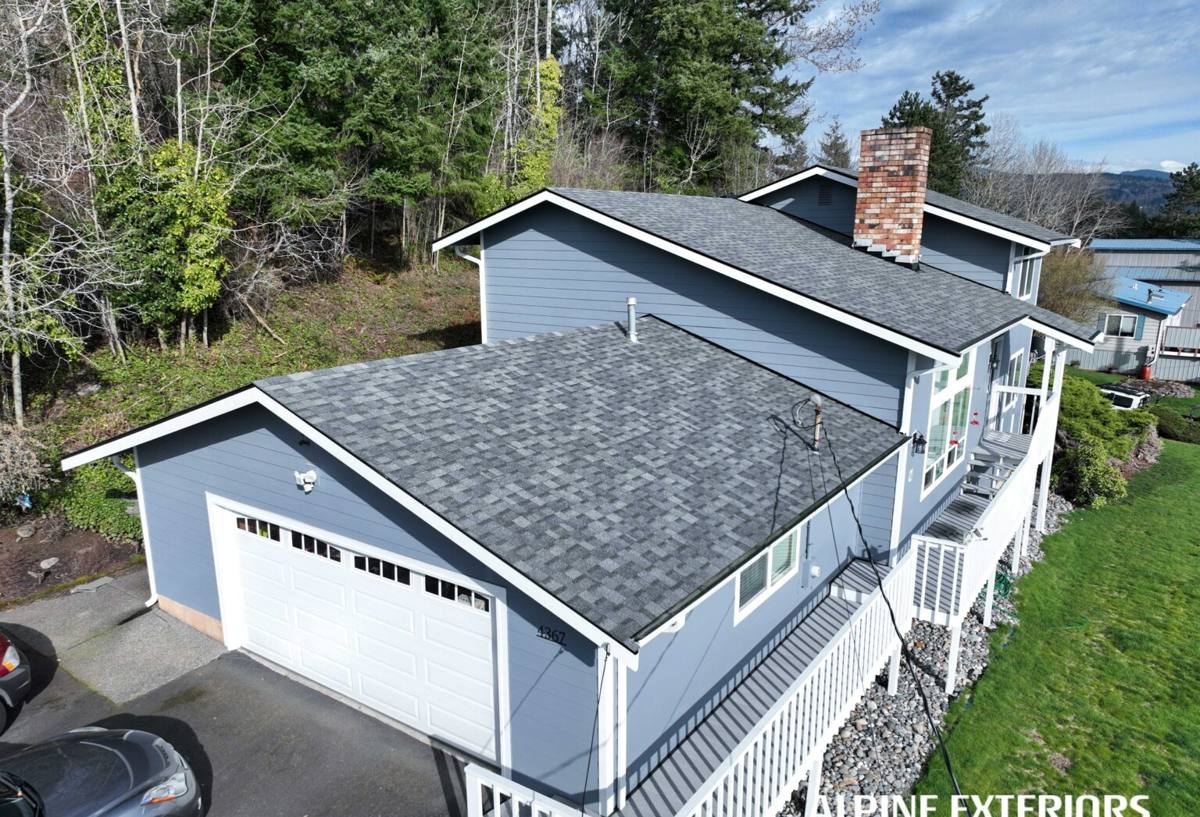
Signs a Citrus Park Roof Needs Repair
Most roof problems we're called out for in this area started small and got worse over one or two storm seasons. Catching them early is almost always cheaper than waiting.
- Water stains or discoloration on ceilings, especially near exterior walls or after heavy rain
- Missing, cracked, or curling shingles — often on the side of the roof that takes the most direct sun or wind
- Granules collecting in gutters or at downspout outlets, a sign the shingle surface is wearing thin
- Soft spots in the decking when walked on, usually meaning moisture has already gotten underneath
- Rusted, lifted, or visibly gapped flashing around chimneys, skylights, or roof-to-wall transitions
- Daylight visible through the attic decking or roof boards
- Higher cooling bills with no other explanation, which can point to a compromised roof deck or ventilation issue
Any one of these on its own might be minor. Two or three together usually means water has been getting in longer than the homeowner realizes.
What a Correct Repair Actually Involves
A patch job that only addresses the surface symptom tends to fail again within a year, especially with the UV and wind load this area sees. A repair done right starts with figuring out how water is actually moving, not just where it's showing up.
Diagnosing the Real Problem
Leaks rarely show up directly below their source — water travels along the underlayment or decking before it drips through. We trace the path back to the actual entry point, which is often flashing, a nail pop, a cracked pipe boot, or a compromised valley rather than the shingles themselves.
Addressing the Underlayment and Decking
If water has reached the decking, the underlayment in that area has likely already failed too. Replacing shingles over saturated or rotted decking just hides the problem temporarily. A correct repair pulls back enough roofing material to inspect the deck, replaces any compromised wood, and re-establishes a proper underlayment layer before anything new goes back on top.
Flashing and Penetration Points
Chimneys, vent stacks, skylights, and roof-to-wall junctions are where the majority of repair calls in this area originate. These are the spots most exposed to wind-driven rain, and they're where corrosion from salt air shows up first on metal components. We replace flashing rather than re-caulking over failing metal — sealant is a short-term fix, not a repair.
Matching Materials
Where possible, we match existing shingle color and profile so the repair blends in rather than leaving an obvious patch. When an exact match isn't available due to product age, we'll walk the homeowner through the closest options honestly rather than guessing.
Our Repair Process
1. On-Site Inspection
We walk the roof and the attic when accessible, checking decking, insulation, and ventilation in addition to the surface. Attic conditions often tell us more about a leak's history than the roof surface does.
2. Clear, Written Estimate
Before any work starts, the homeowner gets a plain-language explanation of what's actually wrong, what it will take to fix it correctly, and what it will cost. No pressure to upsell into a full replacement if a repair is the honest answer.
3. The Repair Itself
Work is scoped to fix the actual cause, not just cover the symptom. That may mean more than the visible damage suggests — we'll explain why before doing it, not after.
4. Cleanup and Final Check
Job site is cleared of debris and old material, including magnetic sweeps for stray nails and fasteners. We do a final walk-through so the homeowner can see what was done.
Common Roofing Materials on Citrus Park Homes
Most homes in this part of Pasco County were built with asphalt shingles, with a smaller number of tile and metal roofs. Repair needs differ by material.
| Roofing Material | Common Repair Issues Here | Repair Considerations |
|---|---|---|
| Asphalt Shingle | UV-driven granule loss, wind-lifted or missing shingles, cracked pipe boots | Most repairable material; matching aged shingle color can be limited by availability |
| Concrete/Clay Tile | Cracked or slipped tiles, failed underlayment beneath intact-looking tile | Tiles themselves often outlast the underlayment below them — repair may require careful tile removal and reset |
| Metal | Fastener backout, seam and flashing corrosion from salt air exposure | Fastener and sealant condition matters more than the panels themselves |
| Flat/Low-Slope Sections | Ponding water, membrane seam separation | Common on porch or addition roofs; needs proper slope and drainage, not just a patch |
Why a Crew That Already Works in Citrus Park Matters
Roof repair isn't just a technical skill — it's local knowledge. A crew that regularly works Land O'Lakes and greater Pasco County roofs already understands which manufacturers' materials perform well against this area's UV load, which roof ages in this specific market tend to have decking issues versus surface-only wear, and what Pasco County's permitting and inspection process requires for repair work that goes beyond minor maintenance.
There's also a practical, everyday advantage: familiarity with the neighborhood means faster response for storm damage assessments, and a crew that isn't learning the area for the first time on your roof. When wind-driven rain gets into a home after a storm, the difference between a quick, correct repair and a rushed, incomplete one often comes down to whether the crew has done this exact type of repair on this exact type of roof before.
What to Ask Before Hiring Anyone
- Are they licensed and insured to work in Florida, and can they provide proof without hesitation?
- Will they put the scope of repair in writing before starting work?
- Do they explain why a repair is needed, not just what it costs?
- Will they pull required permits for repairs that call for one under Pasco County code?
- Do they inspect the underlayment and decking, or just the visible shingle surface?
What Affects the Cost of a Roof Repair
Every roof and every leak is different, so costs vary. In general, the following factors move a repair estimate up or down.
| Factor | Why It Matters |
|---|---|
| Extent of decking damage | Rotted or saturated decking requires removal and replacement before new material goes on, adding labor and material cost |
| Roof pitch and access | Steeper roofs and multi-story homes take longer and require more safety setup |
| Material type and age | Matching older or discontinued shingle lines can add cost or require a broader repair area |
| Number and location of penetrations | Roofs with multiple vents, skylights, or chimney flashing points have more potential failure spots to address |
| Storm damage documentation needs | If insurance is involved, thorough photo documentation and detailed reporting add time but protect the homeowner's claim |
Maintenance That Extends a Repair's Lifespan
A well-done repair can be undone quickly by neglect in this climate. A few habits go a long way between service visits.
- Keep gutters and downspouts clear so water doesn't back up under the roof edge
- Trim overhanging branches that drop debris or scrape shingles in wind
- After any significant windstorm, do a visual check from the ground for missing or lifted shingles
- Have attic ventilation checked periodically — poor airflow accelerates heat and moisture damage from the inside
- Don't ignore small ceiling stains; get them looked at before the next heavy rain
When to Call Now vs. When It Can Wait
Active leaks, missing shingles after a storm, or visible daylight through the roof deck should be addressed as soon as possible — delaying lets water damage spread into decking, insulation, and framing. Cosmetic granule loss or minor flashing wear without any interior signs of leaking can typically be scheduled as routine maintenance rather than an emergency call.
If you're not sure which category your situation falls into, that's exactly what an inspection is for. We'd rather take a look and tell you honestly that it can wait than have a small issue turn into a bigger one over the next storm season.
If you're seeing signs of roof trouble on your Citrus Park home, we're happy to take a look and give you a straight answer. Use the form below to request a free, no-pressure estimate.