 Land O'Lakes Siding
 New-Construction Windows in Plantation Palms: Getting the Opening Right the First Time
Plantation Palms is an established neighborhood in Land O'Lakes, and homes here run the usual range you'd expect from a Pasco County community of its age — some approaching the point where original builder-grade windows are past their realistic service life, others going through additions, room conversions, or full remodels where new openings are being framed from scratch. New-construction windows are a different job than a retrofit or pocket replacement. Instead of working inside an existing frame, we're building the window opening itself: the rough opening, the flashing plane, the sill pan, and the water management details that determine whether that window performs for the next twenty years or starts leaking within the first few storms.
That distinction matters more in Land O'Lakes than it does in a lot of the country. Central Florida throws hurricane-force wind loads, months of intense UV, wind-driven rain, and enough humidity to punish any sloppy flashing detail at the seams. A new-construction window installed correctly, with the right flashing sequence and a code-compliant sill pan, is one of the more durable parts of a home's exterior. Installed poorly, it's one of the more common sources of hidden water damage — because a leak behind a new window often doesn't show up as a wet spot on drywall for months, by which point it's already done real damage to framing and sheathing.
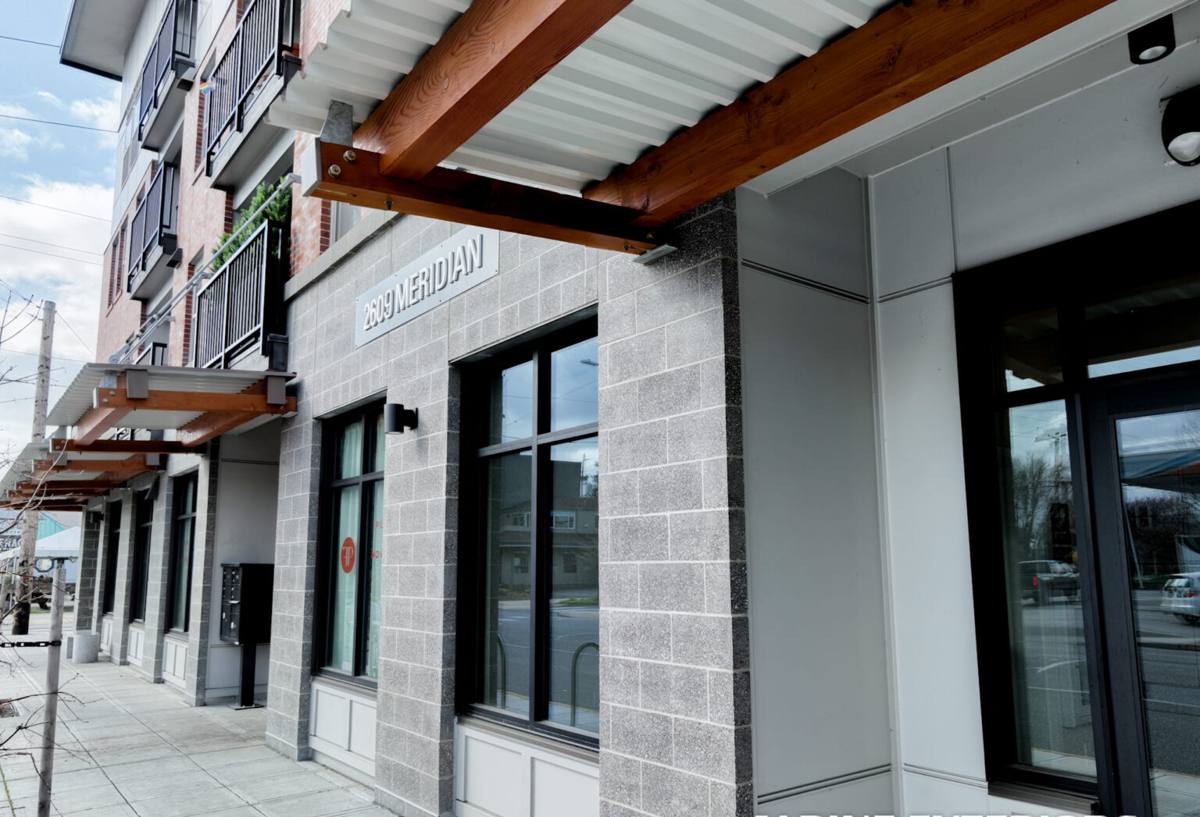
Why New-Construction vs. Retrofit Matters Here
A retrofit or "pocket" window installs into the existing frame, keeping the old nailing fin and exterior trim in place. It's faster and less invasive, and it's the right call for a lot of straightforward replacements. New-construction windows are different: they come with a nailing fin designed to be integrated directly into the wall's water-resistive barrier and flashing system, which means the installer is building the entire drainage path around the window, not just swapping the sash inside an opening someone else built years ago.
For Plantation Palms specifically, new-construction is usually the right call in three situations: a full addition or new room where there's no existing window to retrofit into, a remodel where the exterior wall is being opened up anyway and it makes sense to correct old flashing mistakes at the same time, or a case where the existing rough opening has already suffered water damage and needs to be rebuilt rather than patched. In all three, the quality of the install depends far more on what happens before the window is set — the sill pan, the flashing tape, the sequencing — than on the window unit itself.
What Land O'Lakes' Climate Demands From a New Opening
Wind-Driven Rain and Hurricane Loads
Pasco County sits well within the range of tropical storm and hurricane activity that defines a Florida hurricane season, and even homes that never take a direct hit see wind-driven rain pushed sideways into wall assemblies during the region's frequent summer storms. A new-construction window opening has to be built assuming water will reach the nailing fin and flashing, not assuming it won't. That means a correctly lapped flashing sequence — sill pan first, then side flashing, then head flashing, each piece overlapping the one below it so water sheds outward and down, never up and in.
Year-Round UV Exposure
Central Florida's sun load is intense and consistent almost all year, and it's hard on anything exposed on the exterior: vinyl frames, sealants, and low-quality gaskets all degrade faster here than they would in a milder climate. UV-stable frame materials and sealants rated for sustained sun exposure aren't an upgrade in Land O'Lakes — they're the baseline for a window that's still performing well in a decade.
Humidity and Condensation Pressure
Florida's humidity puts real pressure on window glass and framing, particularly where air-conditioned interiors meet hot, saturated exterior air. Low-E glass and proper gas fill between panes help manage that, but so does correct installation — a window that isn't sealed and flashed properly lets humid air infiltrate the wall cavity, which is a path to mold and rot that has nothing to do with the window glass itself.
Impact Requirements
Depending on the specific wind zone and the local building official's requirements for a given permit, new-construction windows in this part of Pasco County may need to meet impact-resistant glazing standards or be paired with approved opening protection. This isn't optional paperwork — it's a code requirement tied to the structure's wind zone, and it needs to be confirmed before ordering, not discovered after the windows arrive.
What a Correct New-Construction Install Actually Involves
- Rough opening inspection and prep. Confirm the opening is square, plumb, and properly sized before anything else happens — a slightly out-of-square opening causes problems that show up years later as operational issues or seal failures.
- Sill pan flashing. A sloped, sealed pan at the bottom of the opening gives any water that does get past the window a way out, rather than a place to sit and soak into the framing.
- Water-resistive barrier integration. The house wrap or building paper has to be cut and lapped correctly so it ties into the window flashing in the right sequence — this is where a lot of installation mistakes happen, and it's invisible once the siding or stucco goes back on.
- Setting the window and fastening per manufacturer spec. Shimming for square and plumb, fastening through the nailing fin at the spacing the manufacturer requires — not just "enough screws to hold it."
- Side and head flashing. Each layer overlaps the one below it, so the whole system sheds water downward and outward.
- Sealant at the right joints only. Sealant supplements the flashing system — it isn't a substitute for it. Sealing the wrong joint can trap water inside the wall instead of keeping it out.
- Interior and exterior trim-out. Finish work that also protects the transition points from weather and daily wear.
Choosing Windows for a Plantation Palms Home
| Factor | What to Look For in This Climate |
|---|---|
| Impact rating | Confirm what your specific wind zone and permit require before ordering — this affects glass, framing, and anchoring |
| Frame material | Vinyl and fiberglass both hold up well against Florida humidity and won't rot; fiberglass tends to hold paint and stay dimensionally stable across heat swings better than vinyl |
| Glass package | Low-E coating with an appropriate gas fill cuts solar heat gain and helps manage condensation on the interior side |
| Flashing compatibility | The nailing fin design needs to integrate cleanly with your specific wall system — stucco, siding, or a combination |
| Warranty structure | Understand what's covered by the manufacturer versus what's covered by the installer's workmanship warranty — these are separate and both matter |
A Checklist Before You Sign Off on New-Construction Windows
- Confirm the wind zone and impact requirements have been verified against your specific permit, not assumed
- Ask to see the sill pan and flashing detail before the wall is closed up — this is the part you can't check later
- Get the manufacturer's product warranty and the installer's workmanship warranty in writing, separately
- Confirm fastening schedule and shimming meet the window manufacturer's published installation instructions
- Ask how window openings are sequenced with the water-resistive barrier and exterior cladding
- Make sure interior and exterior trim-out is included in the scope, not treated as an afterthought
Why Local Experience in Plantation Palms Matters
New-construction window installation is unforgiving of shortcuts, and the mistakes are almost always hidden ones — a missed flashing lap, a sill pan that wasn't sloped correctly, a sealant joint placed where it traps water instead of shedding it. None of that shows up at final walkthrough. It shows up eighteen months later as a soft spot on an interior wall or a musty smell near a window that everyone assumed was fine. A crew that regularly works new construction and additions in Land O'Lakes and the surrounding Pasco County area has already seen how local wall systems, permitting requirements, and wind zone rules interact on real jobs — which means fewer surprises during inspection and fewer callbacks after the first hard summer storm.
We treat the flashing and water management detail as the real scope of a new-construction window job, with the window unit itself as one piece of a larger system. That's the standard we hold ourselves to on every opening we build, whether it's a single window on an addition or a full house of new construction.
Get a Straightforward Estimate
If you're planning an addition, a remodel, or new construction in Plantation Palms and need windows installed correctly from the rough opening out, we're glad to take a look and give you a straightforward, no-pressure estimate. Use the form below to get started.