 Land O'Lakes Siding
 Plantation Palms Decks Face a Specific Kind of Wear
Plantation Palms sits inland from the coast, but that doesn't spare its decks from Florida's toughest conditions. Land O'Lakes gets long stretches of intense summer UV, sudden wind-driven downpours, and the occasional hurricane-force wind event that puts real stress on fasteners, railings, and ledger connections. Add in the humidity that never fully lets up, and you have an environment where wood fibers swell and shrink, metal hardware corrodes faster than most homeowners expect, and finishes break down years before they would in a drier climate.
A deck that looked fine three summers ago can develop soft spots, loose railings, or surface checking without anyone noticing until someone puts weight on the wrong board. We repair decks throughout Land O'Lakes and Pasco County, and Plantation Palms decks tend to show a consistent pattern of problems tied directly to sun exposure, moisture cycling, and storm stress — not random bad luck.
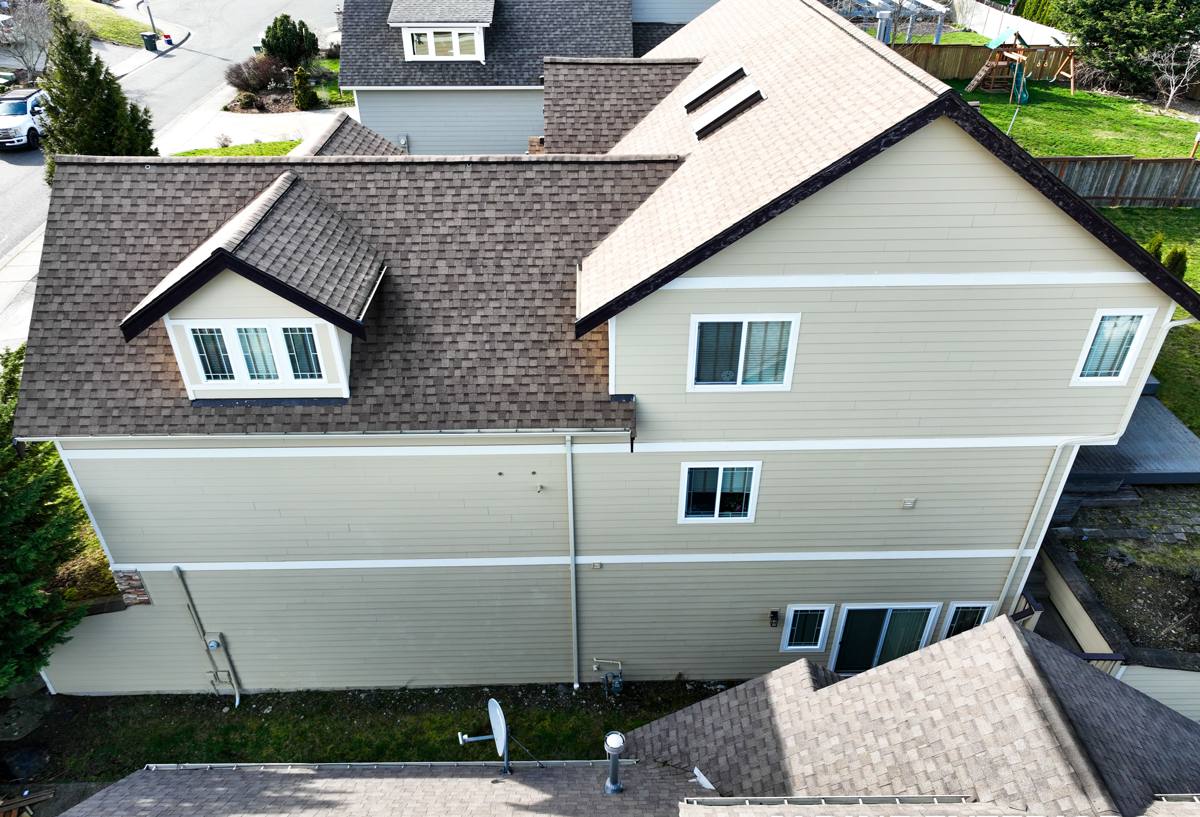
Signs a Plantation Palms Deck Needs Repair
Most deck problems don't start with a dramatic failure. They start small and get ignored because the deck still "seems fine to walk on." Here's what we look for, and what you should look for too.
- Boards that feel spongy, springy, or noticeably softer than the boards around them
- Railings or posts that wiggle when you push on them from the side
- Rust streaks running down from screw heads or bolt connections
- Gaps opening up where the deck ledger meets the house
- Cracked, splintering, or silver-gray wood that's lost its finish entirely
- Stairs that feel uneven or have developed a slight bounce
- Standing water that doesn't drain off the surface after rain
Any one of these on its own might just mean routine maintenance. Several together, especially soft boards plus loose railings, usually means moisture has gotten into the structure and it's time for a real inspection rather than a quick fix.
Structural vs. Cosmetic Issues
Not every repair is urgent, but the two categories matter for different reasons. Cosmetic issues — faded finish, minor surface cracking, small gaps between boards — affect how the deck looks and how long it'll last if left alone. Structural issues — a compromised ledger board, rotted joists, undersized or corroded fasteners, a wobbly stair stringer — affect whether the deck is safe to use. We're upfront about which category a problem falls into, because a homeowner deciding between "this can wait" and "get people off the deck today" deserves a straight answer.
What a Correct Repair Actually Involves
A deck repair that's done right starts underneath the boards, not on top of them. Replacing a rotted deck board without checking the joist beneath it just means you'll be back in that same spot again in a year or two. Our repair process on a typical job includes:
- Checking the ledger board connection to the house — this is the single most safety-critical joint on almost any deck
- Probing joists and beams for soft or rotted wood, especially anywhere water collects or drains slowly
- Inspecting all fasteners and hardware for corrosion, not just the ones that are visibly failing
- Checking post bases and footings for movement, cracking, or contact with standing water
- Replacing damaged structural members with lumber rated for ground contact or exterior use as required
- Reattaching or replacing railings and balusters to current spacing and load standards
- Resurfacing or replacing decking boards as needed, matching fastening patterns to reduce future movement
Skipping the underneath-the-surface steps is the most common shortcut in deck repair, and it's the one that costs homeowners the most in the long run.
Wood and Composite: Different Repair Considerations
Plantation Palms has a mix of pressure-treated wood decks and composite decking, and each requires a different repair approach. Neither is inherently the wrong choice — they just behave differently once moisture and UV get involved, and the repair has to match the material.
| Factor | Pressure-Treated Wood | Composite Decking |
|---|---|---|
| Common failure point | Rot at joists, ledger, and board ends where moisture sits longest | Fastener pull-through, surface fading, and swelling at cut edges left unsealed |
| Repair approach | Replace affected lumber, treat cut ends, refasten with corrosion-resistant hardware | Replace affected boards, reseal exposed core edges, match existing color/profile where possible |
| UV exposure impact | Graying, surface checking, finish breakdown — mostly cosmetic if caught early | Slow fading and, on older/lower-grade boards, occasional surface chalking |
| Ongoing maintenance | Periodic sealing or staining needed to keep moisture out | Lower maintenance, but structural framing underneath still needs the same inspection |
One thing that doesn't change between materials: the structural framing underneath a composite deck is still almost always wood, and it still needs the same joist, ledger, and fastener inspection as an all-wood deck. A lot of composite deck problems we're called out for in Land O'Lakes turn out to be framing issues hiding under boards that still look brand new.
How We Approach a Plantation Palms Repair Job
Inspection First
We walk the full deck, check underneath where access allows, and test railings, stairs, and any area that feels different underfoot. We tell you what's structural, what's cosmetic, and what can reasonably wait.
Honest Scope
You get a written scope that separates must-fix safety items from optional improvements. We don't pad a repair into a full rebuild unless the deck genuinely needs one — and if it does, we'll explain exactly why.
Matching Materials
For wood repairs, we use lumber rated for the exposure it'll see. For composite repairs, we match board profile and color as closely as the product line allows, since exact matches aren't always possible on older decks.
Hardware That Holds Up
Given how much salt-tinged, moisture-heavy air this region deals with, we use corrosion-resistant fasteners and connectors rated for exterior and coastal-adjacent exposure — not standard hardware that'll be rusting again in two summers.
What Drives the Cost of a Deck Repair
Every deck repair is priced around what's actually found once we open things up, but a few factors consistently move the number up or down.
| Cost Factor | Why It Matters |
|---|---|
| Extent of hidden rot | Framing repairs cost more than surface board replacement, and rot often extends past what's visible |
| Ledger board condition | This connection is safety-critical; if it's compromised, it takes priority over cosmetic repairs |
| Material type | Composite boards generally cost more per square foot than pressure-treated lumber |
| Access and deck height | Elevated decks or limited underside access add labor time |
| Railing and code compliance | Older railings may need updating to meet current spacing and height standards |
We don't quote sight-unseen prices over the phone for structural work, because two decks that look identical from the yard can have completely different conditions underneath. What we can tell you upfront is a realistic range once we've actually looked at the deck.
Why a Crew That Already Works in Plantation Palms Matters
Repairing a deck in this part of Pasco County isn't the same job as repairing one somewhere with a mild, dry climate. A crew that regularly works Land O'Lakes knows which failure patterns show up first here — ledger rot from wind-driven rain, corroded fasteners from year-round humidity, railing fatigue from storm-force gusts — and inspects for those specific problems instead of running a generic checklist. That local familiarity means fewer surprises mid-job and a repair built to actually hold up to what this area throws at it, not just what a spec sheet assumes.
Keeping a Repaired Deck in Good Shape
Once a repair is done, a little regular attention goes a long way in this climate. Use this as a basic seasonal checklist:
- Sweep debris out of board gaps so water can drain instead of pooling
- Check railings and stair connections for looseness after any major storm
- Reseal or restain pressure-treated wood on the schedule your product recommends, typically every one to two years in this climate
- Rinse composite decking periodically to prevent mildew buildup in shaded areas
- Look under the deck once or twice a year for signs of new moisture damage or pest activity
- Trim back landscaping that keeps sections of the deck shaded and damp longer than the rest
Catching small issues on this schedule is almost always cheaper than waiting for them to become structural.
If you've got a deck in Plantation Palms that's showing any of these warning signs, or you just want an honest read on its condition, we're happy to come take a look. Fill out the form below for a free, no-pressure estimate — we'll tell you what we find, straight, whether that's a small fix or something bigger.