 Land O'Lakes Siding
 Why Odessa Roofs Wear Differently Than Roofs Inland
Odessa sits in that stretch of western Pasco County where Gulf weather reaches homes with little to slow it down. If you've owned a home here for more than a few storm seasons, you've probably already noticed your roof aging faster than a friend's roof further inland. That's not bad luck — it's the environment. Hurricane-force wind gusts, near-constant UV exposure, wind-driven rain that gets forced sideways under loose flashing, and a steady trace of salt air moving in off the Gulf all combine to shorten the working life of a roofing system that wasn't built or installed with those specific stresses in mind.
A new roof installation in Odessa isn't just "put shingles on a house." It's a system that has to handle uplift forces at the edges and corners, resist granule loss from year-round sun, shed water fast during tropical downpours, and hold up its fasteners and flashing metal against slow salt-air corrosion. When any one of those pieces is treated as an afterthought, that's usually where the next leak or the next storm's damage shows up first.
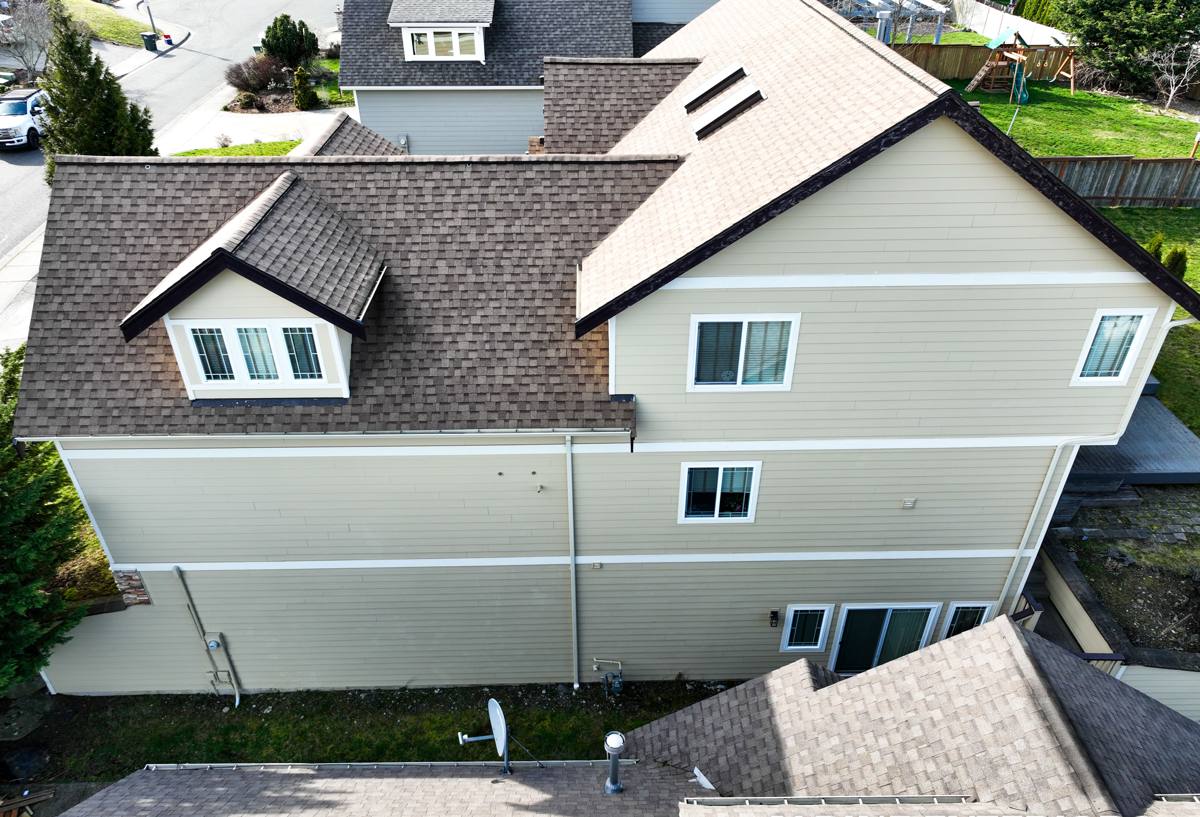
What Odessa's Climate Actually Demands From a New Roof
Wind Uplift at Eaves, Ridges, and Corners
Most wind damage doesn't start in the middle of a roof field — it starts at the edges. Drip edge, starter strip, and the first few courses of shingles or the perimeter fasteners on a metal roof are where wind gets underneath and begins peeling. A correctly installed roof accounts for this with proper starter course adhesion, correctly spaced fastening patterns, and edge metal that's actually nailed to code rather than just tucked and caulked.
UV Exposure, Every Single Day
Florida sun is relentless on roofing materials year-round, not just in summer. UV breaks down asphalt oils, degrades sealant strips, and accelerates granule loss on shingles that aren't rated for it. Underlayment quality matters here too — a cheap felt underlayment that's exposed even briefly during a re-roof can degrade faster than homeowners expect.
Wind-Driven Rain
Straight-down rain is easy for any roof to handle. Wind-driven rain pushed sideways under laps, around penetrations, and up under ridge caps is what actually causes leaks in this part of Florida. That means underlayment overlap, penetration flashing, and valley construction all need to be done to a standard that assumes the rain won't just fall — it'll be pushed.
Salt Air and Metal Corrosion
Odessa isn't beachfront, but it's close enough to the Gulf that salt-laden air still reaches exposed metal over time — flashing, fasteners, vent stacks, and drip edge. Using corrosion-resistant metals and fasteners instead of the cheapest available option is a small cost difference upfront that avoids rust streaking and premature flashing failure down the road.
What a Correctly Installed Roof Includes
A new roof is a layered system, and every layer has a job. Skipping or shortcutting any one of them is usually invisible on installation day and only shows up later — during the next big storm or the next humid summer.
- Full tear-off and deck inspection — replacing any soft, delaminated, or water-damaged plywood or OSB before anything goes back down
- Proper deck fastening to current code, which matters directly for wind uplift resistance
- A quality synthetic or self-adhered underlayment suited to Florida humidity and UV exposure
- Correctly lapped and sealed valleys, since valleys concentrate more water flow than any other part of the roof
- Ice-and-water-shield-grade sealed underlayment at penetrations, skylights, and roof-to-wall transitions
- Wind-rated shingle or metal installation matching or exceeding Pasco County's wind zone requirements
- Corrosion-resistant flashing and fasteners at all metal components
- Proper attic ventilation, which affects both shingle life and interior heat/moisture buildup
Choosing the Right Roofing Material for Odessa
There's no single "best" roofing material for every home — the right choice depends on your roof's slope, your budget, your home's structure, and how long you plan to stay in the house. Here's an honest comparison of the options most Odessa homeowners weigh against each other.
| Material | Typical Lifespan Here | Wind Performance | Maintenance Considerations |
|---|---|---|---|
| Architectural asphalt shingle | 18-25 years | Good, when installed with proper nailing pattern and rated products | Periodic inspection after major storms; granule loss accelerates with age |
| Standing seam metal | 35-50+ years | Excellent uplift resistance with concealed fasteners | Higher upfront cost; fastener and sealant checks at penetrations over time |
| Exposed-fastener metal panel | 25-35 years | Good, but fastener backout is a long-term maintenance point | Requires periodic fastener re-torque or replacement |
| Tile (concrete or clay) | 40-50+ years | Very good when properly fastened/foamed, heavier structural demand | Underlayment typically needs replacement mid-life; individual tiles can crack from impact |
We'll walk through these trade-offs honestly during your estimate rather than steering you toward whatever's easiest for us to install. What matters most is matching the material to your roof's actual pitch, your home's structure, and what you want out of the next couple of decades.
Our Installation Process
1. Inspection and Honest Assessment
We start by getting on the roof — not just looking at it from the driveway. We check the deck condition, flashing, ventilation, and any signs of prior leak activity so you know exactly what you're working with before we talk about materials or cost.
2. Material Selection Without Pressure
We'll go over the realistic options for your roof's pitch and structure, what each one costs over its lifespan, and what maintenance it'll actually need in this climate — not a sales pitch, just the trade-offs.
3. Permitting
New roof installations in Pasco County require a permit and inspection. We handle that process as part of the job so you're not left chasing paperwork.
4. Tear-Off and Deck Repair
Old material comes off down to the deck, and any damaged sheathing gets replaced — not covered up. This is the step that's easiest to shortcut and most important not to.
5. Installation to Wind Code
Underlayment, flashing, and roofing material go on in that order, fastened to meet or exceed current wind zone requirements for this area — not just the minimum that passes inspection.
6. Final Walkthrough and Cleanup
We inspect the finished roof with you, confirm ventilation and flashing details, and make sure your property is cleared of debris and stray fasteners before we consider the job done.
Why a Crew That Already Works in Odessa Matters
Roofing crews that mostly work elsewhere in the state don't always build the same instincts around Gulf-side wind loads, Pasco County's permitting requirements, and how salt air behaves on flashing metal a few miles inland from the water. A crew that regularly works Odessa and the surrounding Land O'Lakes area already knows which details matter most for this specific stretch of coastline exposure — and doesn't need to relearn it on your roof.
Local presence also matters after the job is done. If a named storm rolls through and you want your roof checked, a contractor who's already familiar with your neighborhood and easy to reach is worth more than a lower bid from a crew that's hard to reach six months later.
Signs Your Odessa Home May Need a New Roof
- Shingles that are curling, cupping, or losing granules faster than they used to
- Visible sagging anywhere along the roofline
- Daylight visible through the attic decking
- Frequent granule buildup in gutters after normal rain, not just after storms
- Missing or lifted shingles after wind events, even minor ones
- Interior ceiling stains that reappear after heavy rain
- A roof that's approaching or past its material's expected lifespan and hasn't been reinspected recently
If you're seeing more than one of these, it's worth getting an honest inspection rather than waiting for the next storm to make the decision for you.
What a New Roof Costs to Get Right
Costs vary based on roof size, pitch, material choice, and how much deck repair is needed once tear-off begins — we won't quote a number without seeing the roof. What we can say honestly: the biggest cost differences between contractors usually come down to underlayment quality, fastening standards, and flashing materials — the parts you can't see once the job is finished. Choosing based on the lowest bid alone often means one of those layers got cut.
If you're ready to talk specifics about your roof, we're happy to come take a look and give you a straightforward, no-pressure estimate — no obligation, just an honest read on what your roof actually needs.