 Land O'Lakes Siding
 Roofing Built for the Citrus Park Climate
Homes in the Citrus Park area of Land O'Lakes take a different kind of beating than roofs up north. There's no snow load to worry about, but there's everything else: months of intense, direct UV exposure that breaks down shingle mat and asphalt oils faster than manufacturers' lab tests always suggest, sudden wind-driven rain that finds every gap in flashing and underlayment, and the kind of straight-line and hurricane-force wind gusts that peel back poorly fastened shingles in a single afternoon. Add in the salt-laden air that drifts inland from Tampa Bay on the right wind pattern, and you've got a roofing environment that punishes shortcuts.
A new roof installation here isn't just about picking a shingle color. It's about matching the deck, underlayment, fastening pattern, flashing details, and ventilation to what Pasco County weather actually does to a roof over 15-20 years. We install roofs in Citrus Park and throughout Land O'Lakes with that reality in mind, not a generic national spec sheet.
Signs a Repair Won't Cut It Anymore
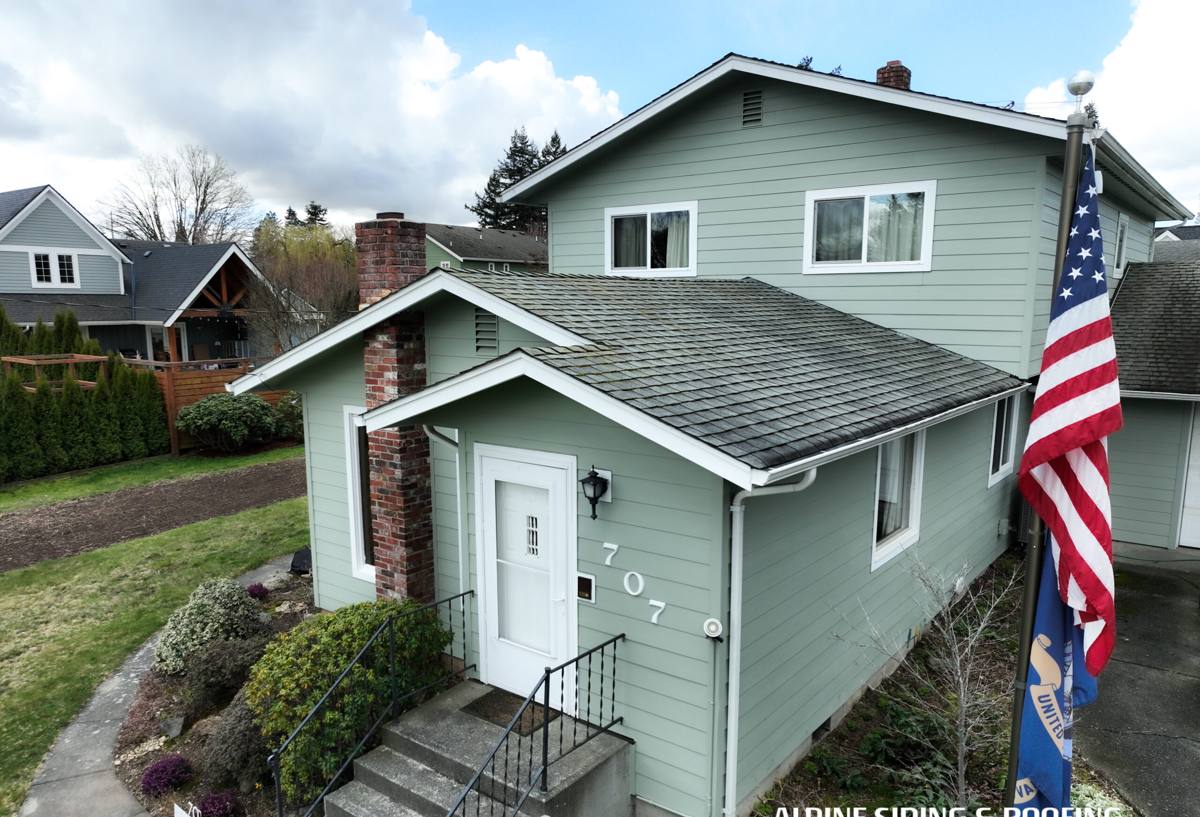
Plenty of Citrus Park homeowners call us wanting a repair quote and leave with an honest conversation about replacement instead. Here's how to tell which conversation you actually need.
Age and Wear Add Up Differently in Florida
A 20-year shingle roof in a milder climate might genuinely last close to 20 years. In Land O'Lakes, with year-round UV and summer heat cycling the deck and shingles daily, that same roof often shows granule loss, brittleness, and curling well before the warranty clock runs out. If your roof is past 15 years and you're already patching more than once a year, repair costs start working against you.
Storm Damage That Repeats
One wind event that lifts a few shingles is a repair. A pattern of lifted or missing shingles after every seasonal storm means the original installation — nailing pattern, adhesive strip activation, or underlayment — wasn't matched to local wind conditions in the first place. Patching the same failure point over and over usually costs more over a few years than replacing it correctly once.
Soft Decking or Interior Staining
Ceiling stains, a spongy feel when walking the roof, or daylight visible through the attic at the eaves all point to deck damage, not surface damage. Once water has been getting under the shingle field for a while, a new roof rebuilt from the deck up is almost always the more honest answer than another patch.
What a Correct New Roof Installation Actually Involves
A roof is a system, not a single layer. Skipping or shortcutting any one part of it is exactly how a "new roof" ends up leaking or losing shingles in the first serious storm.
- Full tear-off and deck inspection — every layer of old material removed so the actual plywood or OSB deck can be checked for soft spots, delamination, and prior water damage, not covered over.
- Deck repair or replacement — any damaged sheeting swapped out and properly fastened before anything new goes down.
- Synthetic or self-adhered underlayment — a continuous secondary water barrier, with extra attention at valleys, eaves, and penetrations where wind-driven rain most often gets pushed sideways under the shingle field.
- Drip edge and flashing at every transition — chimneys, skylights, sidewalls, and roof-to-wall junctions are where the majority of Florida roof leaks actually start, not in the open shingle field.
- Fastening pattern matched to wind exposure — nail count and placement set for your home's actual wind zone, not the minimum the shingle bundle allows.
- Balanced attic ventilation — intake at the soffits and exhaust at the ridge or roof vents, sized to actually move air, which protects both the new shingles and the deck underneath from heat-driven premature aging.
Choosing the Right Roofing Material
Most Citrus Park homes land on architectural asphalt shingles, metal, or occasionally tile, depending on the home's structure and the owner's budget and priorities. None of these is universally "best" — each is a different trade-off.
| Material | Typical Lifespan Here | Wind Performance | Maintenance |
|---|---|---|---|
| Architectural (laminate) shingles | 18-25 years | Good with proper nailing and rated shingle line | Low; periodic inspection |
| 3-tab shingles | 12-18 years | Lower wind rating than architectural | Low, but shorter service life |
| Standing seam metal | 30-50 years | Excellent when properly fastened | Very low |
| Concrete or clay tile | 30-50 years | Strong, but underlayment failure is the weak point | Moderate; occasional tile replacement |
We don't install 3-tab shingles on new roofs in this area as a matter of professional standard — the wind rating and shorter service life just don't line up well with what Land O'Lakes weather does to a roof, and the cost difference versus architectural shingles is usually too small to justify the trade-off. For tile roofs, we're candid that the underlayment beneath the tile is what actually keeps water out, and it deserves the same attention as the tile itself, since a beautiful tile field over failing underlayment is a leak waiting to happen.
Cost Factors for a Citrus Park Roof Replacement
Every roof is priced from its own specifics, but the same handful of factors move the number up or down on almost every job we quote in this area.
| Factor | Why It Matters |
|---|---|
| Roof size and pitch | More square footage and steeper slopes mean more material and labor time |
| Number of layers being removed | Tear-off of multiple existing layers adds disposal and labor cost |
| Deck condition | Rotten or delaminated sheeting found during tear-off requires repair before new roofing goes down |
| Material choice | Architectural shingles, metal, and tile carry different material and labor costs |
| Roof complexity | Valleys, dormers, skylights, and multiple penetrations add flashing labor |
| Ventilation upgrades | Adding or correcting soffit and ridge ventilation is worth doing during a tear-off |
We walk through each of these on-site before giving a number, so the estimate reflects your actual roof rather than a generic per-square rate.
Permits, Wind Ratings, and Insurance in Pasco County
A new roof in Land O'Lakes has to meet Florida's building code requirements for wind uplift resistance, and Pasco County requires a permit and inspection for a full roof replacement — that's not paperwork we skip to save time. Beyond code compliance, a properly documented new roof installation is also what makes you eligible for a wind mitigation inspection, which many Florida insurers use to reduce homeowners insurance premiums. Skipping the permit, or having work done that wouldn't pass one, can cost you far more later in denied claims or lost insurance credits than it ever saved up front.
What We Handle for You
- Pulling the required Pasco County roofing permit before work starts
- Installing to the wind uplift and fastening standards the permit requires
- Coordinating the final inspection so it's on record and passes the first time
- Providing documentation you can hand to your insurance company for a wind mitigation review
How Our Installation Process Works
- On-site inspection — we walk the roof and attic, check the deck where accessible, and talk through what we're seeing with you directly.
- Written estimate — a clear breakdown of material, labor, and any deck repair contingencies, before anything is signed.
- Permit and scheduling — we pull the Pasco County permit and set a firm start date, factoring in weather windows common to this time of year.
- Tear-off and deck inspection — old roofing removed down to the deck, with any damaged sheeting identified and repaired.
- Underlayment, flashing, and ventilation — the parts of the roof that do the most work but are invisible once the shingles go down.
- Shingle or material installation — installed to the fastening pattern the wind rating requires, not just the manufacturer's minimum.
- Cleanup and magnetic nail sweep — yard and driveway cleared of debris and stray fasteners before we consider the job done.
- Final inspection and walkthrough — county inspection scheduled, plus our own walkthrough with you so you know exactly what was done.
Why a Crew That Already Works Citrus Park Matters
Roofing crews that mainly work other regions sometimes bring assumptions that don't hold up here — nailing patterns rated for calmer wind zones, ventilation setups that don't account for Florida's heat and humidity load, or flashing details that skip the extra step wind-driven rain actually demands. A crew that regularly works Citrus Park and the surrounding Land O'Lakes area already knows which roof-to-wall details tend to leak in this climate, which underlayment holds up through a full hurricane season, and what Pasco County's permitting and inspection process actually expects. That familiarity shows up in fewer callbacks and a roof that performs the way it's supposed to the first time.
Questions Worth Asking Before You Sign a Contract
- Is the deck inspected and repaired as part of the job, or only "if visible from the attic"?
- What underlayment is being used, and is it rated for wind-driven rain, not just standard felt?
- What fastening pattern and shingle wind rating are being installed — and does it match your home's actual wind exposure?
- Is the Pasco County permit included and pulled before work starts, or left to you?
- Will you get documentation suitable for a wind mitigation insurance inspection afterward?
- What's covered under the workmanship warranty, separate from the manufacturer's material warranty?
If your Citrus Park roof is showing its age, took storm damage this season, or you just want an honest read on whether repair or replacement makes more sense, we're happy to take a look. Use the form below to request a free, no-pressure estimate — we'll walk the roof, explain what we find, and give you a straight answer either way.