 Land O'Lakes Siding
 Why New Port Richey Roofs Wear Out Faster Than the National Average
New Port Richey sits close to the Gulf, which means your roof is doing a harder job than most roofs in the country. It's not one thing that breaks a roof down out here — it's the combination. Intense, near-constant UV exposure bakes shingles and dries out the oils that keep asphalt flexible. Wind-driven rain, common with the tropical storms and afternoon squalls that roll through Pasco County, finds every weak seam, nail pop, and aging flashing joint and works its way underneath. Add in salt-laden air moving inland off the coast, which accelerates corrosion on metal fasteners, flashing, and vents, and you have a roof system that ages faster here than it would in a drier, cooler climate.
None of that means every roof in New Port Richey is in trouble. It means the margin for error in materials, fastening, and detail work is smaller. A roof that's "good enough" somewhere else can fail here years ahead of schedule if it wasn't built for this specific combination of heat, wind, and moisture.
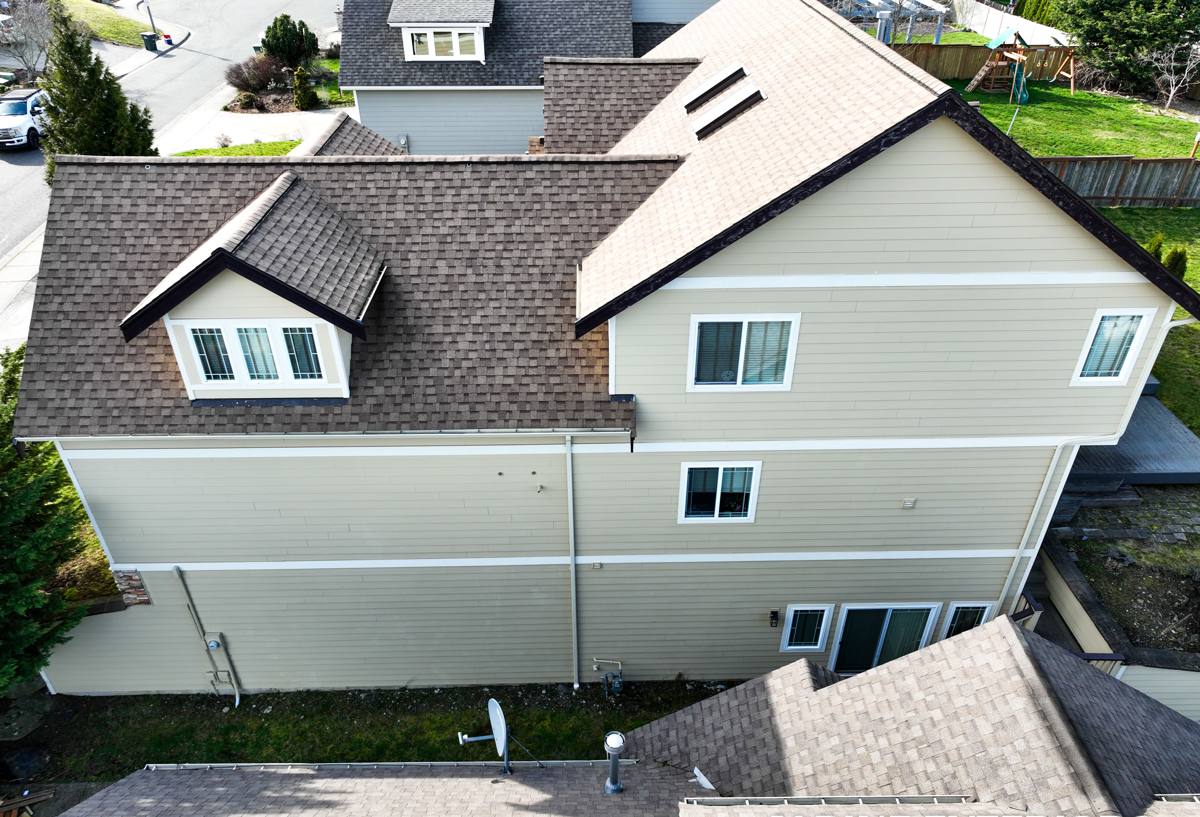
Signs a New Port Richey Roof Needs Replacement, Not Another Repair
Roof repairs make sense when the damage is localized and the rest of the roof still has useful life left. Replacement makes sense once the roof as a whole — the deck, the underlayment, the shingles or panels — is past the point where patching is a good use of money. Some signs point clearly toward replacement:
- Shingles that are cupping, curling, or losing their granules in patches rather than just at one spot
- Multiple past repairs in different areas of the roof, rather than one isolated issue
- Soft spots or visible sagging when viewed from the ground or the attic
- Daylight visible through the roof deck from inside the attic
- Water stains on interior ceilings that reappear after rain, even after prior patch work
- A roof approaching or past the manufacturer's expected service life for this climate
- Rusted, lifted, or missing flashing around chimneys, skylights, or roof-to-wall transitions
- Visible storm damage — creased shingles, exposed nail heads, or missing sections after high wind
If you're only seeing one or two of these and the roof is otherwise sound, a repair may be the right call. We'll tell you honestly which situation you're in rather than push a full replacement you don't need yet.
What a Correct Roof Replacement Actually Involves
Full Tear-Off and Deck Inspection
A proper replacement starts with removing the old roofing material down to the deck — not layering new shingles over old ones. Layering hides problems and shortens the life of the new roof. Once the deck is exposed, we inspect it for rot, delamination, or soft spots caused by long-term moisture intrusion, which is common on older Pasco County homes that have been through decades of Gulf Coast humidity. Any damaged decking gets replaced before anything new goes down, because a new roof over a compromised deck is a roof that will fail early no matter how good the shingles are.
Underlayment and Water Barrier
The underlayment is your second line of defense against wind-driven rain, and in this climate it matters as much as the visible roofing material. We install synthetic or self-adhering underlayment at the eaves, valleys, and any area prone to wind-driven water intrusion, matched to the manufacturer's requirements for our wind zone.
Flashing and Penetrations
Chimneys, plumbing vents, skylights, and any roof-to-wall transitions are where most leaks actually start — not in the open field of the roof. Flashing needs to be properly lapped, sealed, and, where salt air exposure is a factor, made of a material that won't corrode prematurely.
Ventilation
Florida attics take on serious heat, and a roof system without adequate intake and exhaust ventilation traps that heat and moisture against the underside of the deck. That shortens shingle life from underneath, not just from sun exposure above. We check existing ventilation and correct it as part of the replacement rather than leaving an undersized setup in place.
Fastening for Wind Resistance
Nailing pattern and fastener count matter more here than in calmer climates. We follow the fastening schedule required for our local wind speed zone under the Florida Building Code, not the minimum a manufacturer allows in low-wind regions of the country.
Roofing Material Options for New Port Richey Homes
There's no single "best" roofing material — the right choice depends on your budget, your home's structure, and how much long-term maintenance you want to take on. Here's how the common options compare for a Gulf Coast home:
| Material | Wind Performance | Heat/UV Behavior | Maintenance | Typical Lifespan |
|---|---|---|---|---|
| Architectural asphalt shingle | Good, with proper fastening and rated products | Reflective options reduce attic heat gain | Low to moderate | 20-30 years in this climate |
| Standing seam metal | Excellent when properly installed | Reflects heat well, handles UV with minimal degradation | Low | 40-50+ years |
| Concrete/clay tile | Very good when properly fastened to a rated deck | Excellent — naturally heat and UV resistant | Moderate (underlayment beneath tile still ages and needs future attention) | Tile itself 40-50+ years; underlayment typically needs renewal sooner |
| 3-tab asphalt shingle | Lower wind rating than architectural shingles | Less UV-resistant, ages faster in direct sun | Low, but shorter service life | 15-20 years in this climate |
We're candid about trade-offs. Tile and metal cost more upfront but ask less of you over the life of the roof. Architectural asphalt remains the most common choice because it balances upfront cost, appearance, and performance well for most homeowners, especially when installed with the underlayment and fastening detail this region actually requires.
Our Roof Replacement Process
- On-site inspection — We assess the current roof, attic ventilation, and deck condition, and talk through what your home actually needs before recommending anything.
- Written estimate — A clear scope of work and pricing, with material options explained honestly, not just the most expensive one pushed first.
- Permitting — We pull the required permit through Pasco County before work begins, so the job is inspected and documented properly.
- Tear-off and deck repair — Old roofing removed, deck inspected, any damaged sections replaced.
- Underlayment, flashing, and ventilation — Installed to current code and manufacturer specification for our wind zone.
- New roofing material installed — Fastened to the schedule required for local wind exposure, not a generic minimum.
- Final walkthrough and county inspection — We review the finished roof with you and the job is signed off by the county inspector.
Permits, Codes, and Wind Requirements in Pasco County
Roof replacement in New Port Richey requires a permit through Pasco County, and the installation has to meet the wind speed and fastening requirements set out in the Florida Building Code for our region. This isn't paperwork for its own sake — it's what determines whether your roof, and your insurance coverage, hold up when a storm actually tests it. Skipping permits or cutting corners on fastening might save a little time up front, but it can create real problems later: failed inspections, insurance claim denials, and issues when you go to sell the home. We handle permitting as a standard part of every replacement, not an upsell.
Why Local New Port Richey Experience Matters
A crew that works New Port Richey and the surrounding Pasco County area regularly knows things a roofer from outside the region has to learn on your roof. That includes which underlayment and fastening details actually hold up to Gulf Coast wind-driven rain, how salt air exposure affects flashing and fastener choices the closer you get to the coast, and what the county inspectors expect to see at each stage of the job. It also means we're a known, findable company if you ever need warranty service — not a crew that worked one storm-chasing season and moved on. We live and work in this area, and our reputation here depends on the roofs we put on staying watertight for decades, not just passing inspection on day one.
What Roof Replacement Typically Costs
Every roof is different, so we won't quote a number without seeing your home, but a few factors consistently drive the price up or down:
| Cost Factor | Why It Matters |
|---|---|
| Roof size and complexity (pitch, valleys, dormers) | More cuts, flashing, and labor hours |
| Material choice | Architectural asphalt, metal, and tile carry very different material costs |
| Deck condition | Rotted or delaminated decking found during tear-off adds repair cost |
| Ventilation upgrades | Correcting undersized intake/exhaust adds modest cost but extends roof life |
| Layers to remove | Homes with existing multiple layers cost more to tear off |
Straightforward architectural shingle replacements on an average-size New Port Richey home tend to fall in a broad mid-five-figure range in local pricing today, with metal and tile running higher. We'll break the estimate down line by line so you know exactly what you're paying for.
Ready for a Straight Answer on Your Roof
If your roof is showing its age, took a hit in the last storm season, or you're just trying to plan ahead before it becomes an emergency, we're glad to come take a look. We'll give you an honest read on whether you need a repair or a full replacement, walk you through material options that make sense for a home in New Port Richey, and put together a clear, no-pressure estimate. Fill out the form below to schedule your free roof assessment.