 Land O'Lakes Siding
 Siding That Has to Work Harder in New Port Richey
Homes in New Port Richey sit close enough to the Gulf that the exterior of a house takes on a different kind of workload than siding installed further inland. Between hurricane-force wind events, wind-driven rain that gets pushed sideways into wall assemblies, salt-laden air moving off the coast, and some of the most intense year-round UV exposure in the country, the siding on a New Port Richey home is rarely given a break. Pasco County's climate doesn't have an off-season for exterior materials — it's a constant cycle of heat, humidity, storms, and sun.
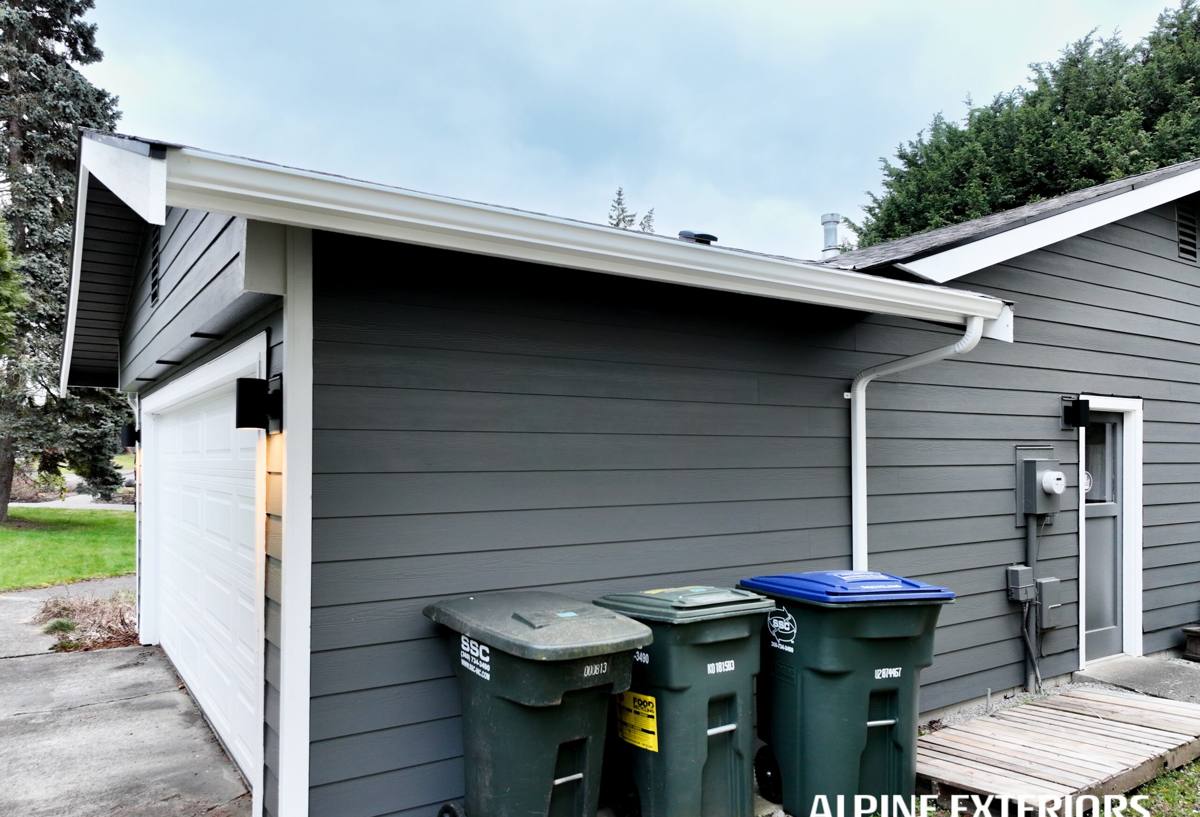
That combination is exactly why we build every New Port Richey siding job around James Hardie fiber cement, engineered specifically for high-moisture, high-UV climates like this one. This page walks through what that actually means for your home, what a correct installation looks like, and how we approach the work.
What This Climate Actually Does to Siding
Wind-Driven Rain and Storm Exposure
During tropical storms and hurricane events, rain in this part of Florida rarely falls straight down — it's driven sideways by sustained wind, which forces water into seams, laps, and fastener penetrations that would stay dry in a calmer climate. Siding that isn't installed with the correct overlaps, clearances, and flashing details becomes a pathway for water intrusion behind the cladding, not just on top of it.
UV and Heat Cycling
Florida sun is punishing on painted and coated surfaces. Cheaper coatings chalk, fade, and become brittle years before their rated lifespan, and the constant expansion and contraction from daily heat cycling stresses caulk joints, seams, and fastener points. A siding product with a factory-applied, baked-on finish holds up to this in a way that field-applied paint generally does not.
Salt Air and Coastal Proximity
Even homes that aren't directly on the water still get salt-laden air moving inland from the Gulf. Salt accelerates corrosion of exposed fasteners and metal trim, and it interacts with certain coatings and substrates in ways that shorten their usable life. Material choice and detailing both matter more here than they would in a landlocked climate.
Why We Install Only James Hardie Fiber Cement
We made a deliberate decision as a company to install James Hardie fiber cement exclusively — not vinyl, not LP SmartSide, not Cemplank or Allura, not primed spruce or cedar. That's not a marketing angle; it's a standard we hold because of what we've seen these products do (and not do) in exactly this kind of climate.
Fiber cement is non-combustible, which matters in a state where wildfire and ember exposure are real risk factors in some areas, and it doesn't soften or deform in extreme heat the way vinyl can. James Hardie's ColorPlus finish is factory-baked under controlled conditions, which gives it far better fade and chip resistance than field-applied paint. And Hardie's HZ product line is engineered in different formulations for different climate zones — the version installed on a New Port Richey home is built for high humidity and moisture exposure, not a generic one-size-fits-all board.
Products like vinyl are lightweight and inexpensive, and that's a fair trade-off for some homeowners in milder climates — but vinyl can warp or distort under intense heat, and its seams and J-channels give wind-driven rain more opportunities to find a way in during a serious storm. LP SmartSide and other engineered wood products perform reasonably well when maintained perfectly, but they rely on an intact factory coating to keep moisture out of a wood-based substrate, and that's a maintenance commitment that's harder to keep up with in a climate this humid. We'd rather put a product on your home that's engineered to tolerate the conditions here with normal upkeep, not perfect upkeep.
The Right Hardie System for a New Port Richey Home
Not every Hardie product is interchangeable, and matching the right line and profile to your home matters as much as the installation itself.
- HardiePlank lap siding — the most common choice for New Port Richey homes, available in multiple textures and exposures, engineered for this humidity zone
- HardiePanel vertical siding — used for accents, gables, or a more modern look, often paired with battens
- HardieTrim — corner boards, fascia, and window/door trim built to hold paint and shape in constant heat and moisture
- HardieSoffit — vented or non-vented options for eaves, which matters for both moisture management and attic ventilation in this climate
We select the profile, exposure, and ColorPlus finish based on your home's architecture and sun exposure, not a default catalog pick.
What a Correct Installation Actually Involves
Fiber cement siding is only as good as the assembly behind it. A rushed or generic install is one of the most common reasons a homeowner ends up with moisture problems years later, even with a good product on the wall. On every job we handle in the New Port Richey area, this means:
- Removing existing siding down to the sheathing and inspecting for rot, delamination, or hidden moisture damage before anything new goes up
- Installing a proper weather-resistive barrier, correctly lapped and sealed, as the actual water management layer behind the cladding
- Flashing every window, door, and penetration so water is directed out and away from the wall assembly, not trapped behind it
- Following James Hardie's specified nailing pattern, fastener type, and clearances — including the minimum gap from grade, roofing, and decking, which is frequently ignored on cut-rate jobs
- Correctly overlapping laps and sealing joints to handle wind-driven rain rather than just vertical rainfall
- Painting or caulking only where Hardie's install specs call for it, since improper field-sealing can actually trap moisture instead of keeping it out
Skipping any one of these steps can void the manufacturer's warranty and, more importantly, sets your home up to fail exactly where it matters most during the next major storm.
Our Process, Start to Finish
We keep the process straightforward and give you visibility at every stage:
- On-site assessment — we walk the exterior, check current siding and sheathing condition, and discuss your home's specific exposure (wind direction, sun, tree cover, proximity to open water)
- Detailed estimate — a written scope covering product line, color, trim details, and the full tear-off and installation plan, with no vague allowances
- Tear-off and inspection — old siding comes off and the sheathing gets a real look before we cover it back up
- Weather barrier and flashing — the part of the job that's invisible once finished but determines how the wall performs for the next 30+ years
- Hardie installation — installed to manufacturer spec for this climate zone, not a generalized national standard
- Final walkthrough — we go over the finished work with you before calling the job complete
Signs Your Current Siding Is Already Struggling
Because of how hard this climate works on exterior materials, siding problems here often show up earlier than homeowners expect. Worth checking for:
- Soft or spongy spots when you press on the siding, especially near the bottom courses
- Visible warping, buckling, or panels pulling away from the wall
- Paint that's chalking heavily or peeling in sheets rather than fading evenly
- Staining or discoloration that keeps returning after cleaning, which can point to moisture behind the siding
- Visible rust streaking from fasteners or trim
- Gaps opening up at seams, corners, or around windows and doors
Any of these are worth a professional look before the next storm season, not after.
What Affects the Cost of a Siding Project Here
| Factor | Why It Matters |
|---|---|
| Home size and story height | More square footage and taller walls mean more material and labor, plus added equipment for upper stories |
| Existing siding removal | Multiple layers of old material or damaged sheathing underneath adds tear-off and repair time |
| Trim and architectural detail | Gables, dormers, and multiple corners require more precise cutting and trim work than a simple rectangular footprint |
| Product line and profile | Different HardiePlank exposures and ColorPlus finish options carry different material costs |
| Sheathing repair | Rot or moisture damage found during tear-off needs to be repaired before new siding goes up — this is discovered, not padded into a quote upfront |
We give you a real number based on what your home actually needs, not a low estimate that grows once the walls are open.
Why Local Experience in New Port Richey Matters
A crew that already works regularly in the New Port Richey area understands the practical realities of building here — how homes in Pasco County are typically framed and sheathed, what kind of wind exposure and rain patterns to plan around, and what inspectors in this area expect to see. That local familiarity shows up in the small decisions on a job: how flashing is detailed around a particular window style, how much clearance to leave at grade, which corners of a house need extra attention because of prevailing wind direction. It's the difference between a generic installation and one built for the house it's actually going on.
If your New Port Richey home needs new siding, we'd like to take a look and give you a straightforward, no-pressure estimate — use the form below to get started.