 Land O'Lakes Siding
 Roofing in New Port Richey Isn't a One-Size-Fits-All Job
New Port Richey sits close enough to the Gulf that salt air, humidity, and storm bands off the water all factor into how a roof ages here — even though the neighborhood itself is inland of the immediate coastline. Add in Pasco County's summer thunderstorm pattern, near-constant UV exposure, and the occasional direct hit from a tropical system, and you've got a climate that is genuinely harder on asphalt shingles than most of the country. A roof that would last 25 years in a mild climate can lose years off its service life here if it isn't built and installed correctly from the start.
We install and repair asphalt shingle roofs for homeowners throughout the Land O'Lakes and New Port Richey area, and the same climate stresses come up again and again: wind uplift at the eaves and rakes, granule loss from UV breakdown, nail pops from thermal cycling, and slow water intrusion at flashing points that only shows up after the third or fourth heavy rain. None of that is exotic. It's just what happens when a roof is under-built for the environment it's in, or when shortcuts get taken on details that don't show up until years later.
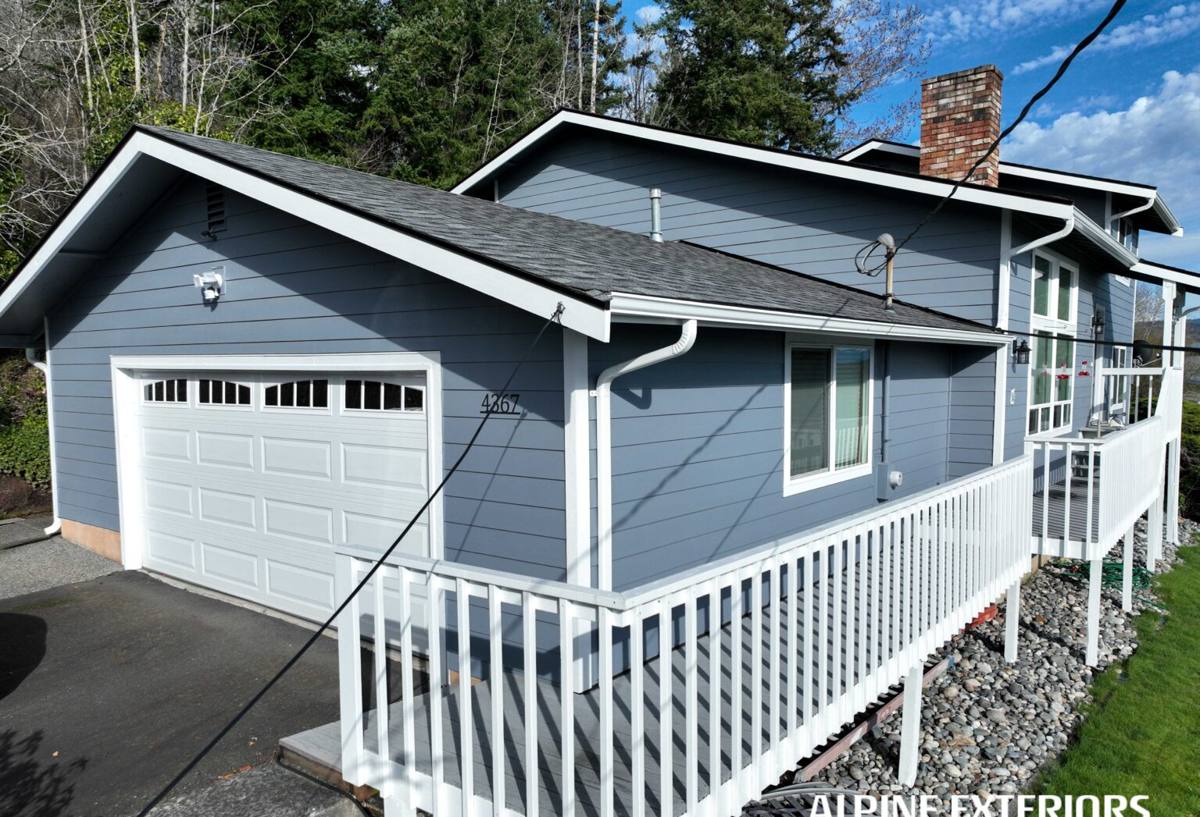
What Local Homes Actually Need From a Shingle Roof
An asphalt shingle roof in this part of Florida has to do more than shed water. It has to hold its nailing pattern through sustained wind and gusts, resist UV degradation for the life of the product, drain wind-driven rain that doesn't fall straight down, and shrug off salt-laden air without accelerating corrosion at the metal components. Those four demands shape almost every material and installation decision we make.
Wind Performance
Florida Building Code sets minimum wind resistance standards for roofing in this region, and Pasco County enforces them at permit and inspection. A shingle that's rated for 110 mph winds does nothing for you if it's fastened with the wrong nail pattern or the wrong number of fasteners per shingle — the rating is a lab number for the assembly, not a guarantee based on the shingle alone. Correct nailing, proper nail placement in the manufacturer's nailing zone, and starter strip along every eave and rake are what actually deliver that wind rating on your roof.
UV and Heat
Central Florida gets brutal, direct sun for most of the year. Asphalt shingles lose granules and oils over time from UV exposure, and that process accelerates on roofs with poor attic ventilation, since trapped heat bakes the underside of the shingles as well as the top. A shingle with a strong algae-resistance rating and proper ventilation behind it will simply outlast one without, regardless of brand.
Wind-Driven Rain
Straight-down rain is easy for any roof to handle. Wind-driven rain that hits shingles at an angle and works its way under tabs and around penetrations is a different problem, and it's the one that causes most of the "mystery leaks" we get called out for. Proper underlayment, correctly lapped and sealed, is the actual waterproofing layer on a shingle roof — the shingles are the wear surface and the first line of defense, but the underlayment is what keeps water out when wind pushes rain sideways.
Salt Air
You don't have to be beachfront to feel the effects of salt air. It travels inland on Gulf breezes and slowly corrodes exposed metal — nail heads, flashing, vent stacks, and drip edge — faster than it would further from the coast. Choosing corrosion-resistant fasteners and flashing metals, and making sure exposed metal is properly coated or capped, matters more here than it would in a landlocked state.
Anatomy of a Correct Installation
A shingle roof is a system, not a single product. Every layer has a job, and skipping or rushing any one of them is where premature failures start.
Tear-Off and Deck Inspection
We remove the old roofing down to the deck rather than layering over existing shingles. That lets us actually see the plywood or OSB decking underneath, replace any sections that are soft, delaminated, or water-damaged, and confirm the deck is properly fastened before anything new goes down. Roofing over a compromised deck just hides a problem that will eventually telegraph through the new roof.
Underlayment
Synthetic underlayment or a self-adhering membrane goes down next, lapped correctly with every seam sealed. In vulnerable areas — valleys, low-slope sections, and around penetrations — we use a self-adhering ice-and-water-shield-style membrane for extra protection, even though ice isn't the concern here; the same product performs well against wind-driven rain intrusion.
Flashing
Flashing at chimneys, walls, skylights, and vent penetrations is where most leaks actually originate, not in the open field of shingles. Properly formed step flashing, counter-flashing, and pipe boots — installed correctly and sealed with the right materials — are what keep water out at these transition points for the life of the roof.
Shingle Installation
Starter strip along eaves and rakes, correct exposure and offset pattern, and manufacturer-specified nailing are what turn a bundle of shingles into a wind-rated assembly. This is also where we make sure ridge and hip caps are properly nailed and sealed, since these are high-exposure areas during storms.
Ventilation
Balanced intake and exhaust ventilation keeps attic temperatures down, which protects both the shingles from below and your energy bills year-round. A hot, poorly ventilated attic is one of the most common reasons a shingle roof underperforms its expected lifespan in Florida.
Shingle Options for New Port Richey Homes
Most homeowners choose between a few common shingle categories. Here's how they generally compare for this climate:
| Shingle Type | Typical Wind Rating | Lifespan Expectation | Best For |
|---|---|---|---|
| 3-Tab | Lower end of code minimums | Shorter | Budget-focused projects, rental properties |
| Architectural / Dimensional | Higher, varies by product | Longer | Most owner-occupied homes; better wind and impact performance |
| Impact-Resistant Architectural | High, often paired with Class 3/4 impact rating | Longest of the three | Homes seeking possible insurance premium credits and added storm durability |
Wind ratings and warranty terms vary by manufacturer and specific product line, so we'll go over the actual documentation for whatever shingle you're considering rather than relying on general marketing claims. Impact-resistant shingles can sometimes qualify a home for an insurance discount — worth asking your carrier about directly, since that varies by policy.
Signs Your Roof Needs Attention
Most shingle roof problems give warning signs well before a full leak develops. Worth checking after any significant storm, or once a year as routine maintenance:
- Missing, cracked, or curling shingles, especially near eaves and ridges
- Granules collecting in gutters or at the base of downspouts
- Visible nail heads (nail pops) pushing through shingle surfaces
- Soft or discolored spots on interior ceilings, particularly after rain
- Daylight visible through the attic roof deck
- Rusting or lifted flashing around chimneys, vents, or skylights
- Sagging areas anywhere on the roofline
- Shingle debris in the yard after high winds
None of these automatically mean a full replacement is needed — plenty of these are repairable if caught early. But they're worth a professional look rather than waiting, since water intrusion problems compound quickly in Florida's humidity.
How Our Process Works
We start with an on-site inspection and a straightforward conversation about what your roof actually needs — repair versus replacement, and what's driving that recommendation. If replacement makes sense, we walk through shingle options, wind ratings, and warranty terms so you're choosing based on real information, not just color samples.
From there: a written estimate with the scope clearly laid out, permitting handled through Pasco County where required, a scheduled tear-off and installation, daily site cleanup including magnetic sweeps for stray nails, and a final walkthrough before we consider the job done. We also handle disposal of the old roofing material as part of the job, not as an add-on.
Throughout the project, we keep you informed of what we find once the old roofing comes off — deck condition, any hidden damage, anything that changes the original scope — before we proceed, not after.
Maintenance That Extends Roof Life Here
A well-installed shingle roof in this climate still benefits from routine attention. Keeping gutters clear prevents water from backing up under the lowest course of shingles. Trimming back overhanging branches reduces both physical abrasion and the debris load that traps moisture against the roof surface. A post-storm visual check — from the ground, not the roof — after any major wind event can catch lifted shingles or debris damage before it turns into a leak. And periodic professional inspections catch flashing and sealant issues that are easy to miss from the ground but simple to address early.
Salt air exposure means metal components in particular are worth watching over time. Vent stacks, flashing, and fasteners that show early rust or corrosion are worth addressing proactively rather than waiting for them to fail.
Permits, Codes, and Insurance Considerations
Roof replacements in Pasco County require a permit, and the work has to meet current Florida Building Code wind and installation requirements — this isn't optional paperwork, it's what protects you if there's ever a warranty or insurance question down the road. We handle the permitting process as part of the job rather than leaving it to the homeowner, and we schedule required inspections at the appropriate stages of the work.
If you're filing an insurance claim for storm damage, documentation matters. We can provide photos and a written scope of damage to support your claim, though the claim itself is between you and your insurance carrier.
Why Local Experience in New Port Richey Matters
A roofing crew that works this specific area regularly knows the climate demands here aren't theoretical — they see the results of under-built roofs firsthand, on repair calls for roofs that were installed cutting corners on nailing, flashing, or ventilation. That translates into fewer surprises on your project: knowing which details actually matter for wind and water resistance in this climate, understanding Pasco County's permitting and inspection process, and not treating your roof as a generic install that happens to be located in Florida.
It also means being reachable after the job is done. A roof problem three years down the road should be a phone call, not a search for whoever's still in business.
Get a Free, No-Pressure Estimate
If your roof is showing wear, was damaged in a recent storm, or you're just planning ahead, we're glad to take a look and give you a straightforward assessment — no pressure, no hard sell. Fill out the form below to schedule a free estimate for asphalt shingle roofing in New Port Richey.