 Land O'Lakes Siding
 Metal Roofing Built for Dade City's Climate
Dade City sits inland from the Gulf but still takes the full brunt of what a Central Florida summer and hurricane season can throw at a roof. Homes here deal with sustained high heat for most of the year, sudden severe thunderstorms with damaging straight-line winds, hail that shows up more often than people expect in Pasco County, and the occasional direct hit or near-miss from a tropical system. A roof in this part of Florida is not decorative — it is the single most tested component of the house, and it needs to be treated that way.
Metal roofing has become the go-to upgrade for homeowners in this area who are tired of replacing shingles every 12-18 years or patching storm damage after every major weather event. Done correctly, with the right panel system, the right underlayment, and the right fastening pattern for our wind zone, a metal roof gives Dade City homeowners a genuine multi-decade solution instead of a repeating maintenance cycle.
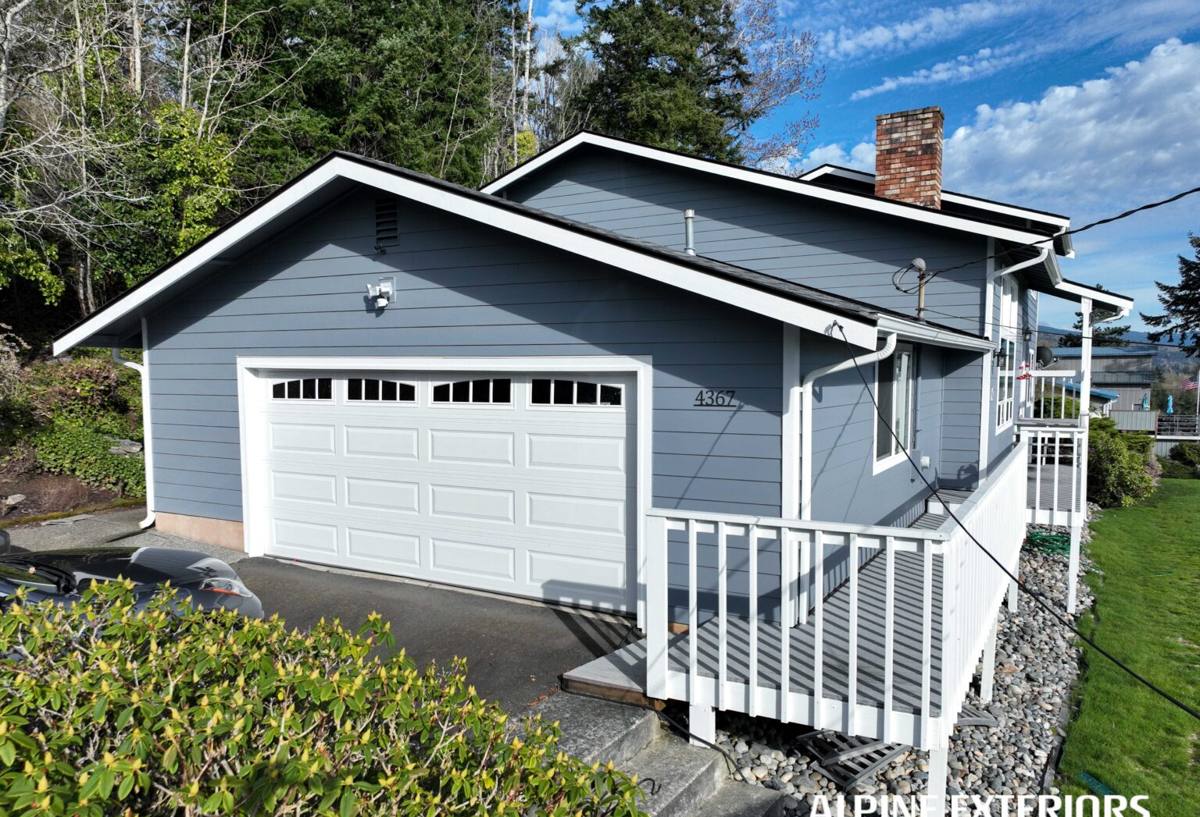
What Dade City Roofs Actually Deal With
Before talking about products or installation, it helps to be specific about what a roof in this area is up against, because that's what should drive every material and design decision.
Heat and UV Load
Dade City sees long stretches of intense, direct sun for most of the year. Roofing materials that rely on petroleum-based coatings or granules — like asphalt shingles — degrade steadily under that kind of exposure. The UV breaks down the surface, the attic below runs hotter, and cooling costs climb as the roof ages. Metal reflects far more of that solar load than shingles do, which is one of the most practical, everyday benefits homeowners notice after an install.
Wind-Driven Rain and Storm Wind
Pasco County is squarely in Florida's hurricane-exposed wind zone. Storms here rarely bring rain straight down — it comes in sideways, driven by sustained wind and gusts that find every weak seam, lap, and fastener point on a roof. A roof system that isn't specifically detailed for wind-driven rain will leak long before the wind itself causes structural damage.
Salt and Airborne Corrosives
Dade City is inland compared to Land O'Lakes' coastal-facing neighbors, but Florida's salt air travels further than people assume, especially carried on storm winds. Combined with humidity that rarely lets up, any exposed metal on a house — fasteners, flashing, trim — is under constant low-level corrosive pressure. Material choice and coating quality matter more here than in a dry, inland climate elsewhere in the country.
Hail and Wind-Borne Debris
Severe thunderstorm cells that roll through this part of the county can produce hail, and hurricane-adjacent storms throw branches, palm fronds, and loose debris across roofs. A roofing system needs to resist denting and puncture, not just wind uplift.
Why Metal Makes Sense for This Specific Area
We don't push metal roofing on every homeowner — it's not the right fit for every budget or every home. But for Dade City specifically, the case is strong on the merits:
- Higher wind resistance than most shingle systems when installed with the correct fastening pattern and panel engineering for our wind zone.
- Reflects solar heat instead of absorbing it, easing attic temperatures and cooling load through Florida's long hot season.
- Sheds wind-driven rain more reliably than a shingle system when seams, laps, and penetrations are detailed correctly.
- Resists the granule loss and surface cracking that UV exposure causes on asphalt shingles over time.
- Long service life reduces how often the roof is disturbed by tear-offs and re-roofing, which is itself a source of long-term risk to a house.
- Many insurers offer credits for qualifying impact-rated or wind-rated metal roofing, which is worth asking your carrier about directly.
The trade-off is upfront cost — metal roofing costs more to install than asphalt shingles. For homeowners planning to stay in their home long-term, or who are tired of storm-season anxiety every June through November, that upfront cost is usually recovered through fewer repairs, lower cooling bills, and a roof that isn't due for replacement again in 15 years.
Panel Systems We Work With
Not all metal roofing is the same, and the panel style matters for both performance and appearance on a Dade City home.
| System | Best For | Key Trade-Off |
|---|---|---|
| Standing seam (concealed fastener) | Homeowners prioritizing maximum wind and water performance | Higher material and labor cost than exposed-fastener panels |
| Exposed-fastener panel (5V, corrugated) | Budget-conscious projects, outbuildings, some traditional home styles | Fasteners penetrate the panel face and need re-torquing or replacement over the roof's life |
| Stone-coated steel | Homeowners wanting a shingle or tile look with metal's performance | Heavier system, higher cost, more complex installation detailing |
| Aluminum panel systems | Homes wanting maximum corrosion resistance | Softer material, needs correct gauge selection to resist hail and debris impact |
For most Dade City homes, we lean toward standing seam because the concealed fastener design eliminates the weak point of exposed screws working loose or corroding over decades of heat cycling and storm wind. It's a bigger upfront investment, but it's the system that best matches what this climate demands over a 40-plus year service life.
What a Correct Installation Actually Involves
Metal roofing fails prematurely far more often from installation shortcuts than from the material itself. The panel is only one piece of a system that has to work together.
Deck Inspection and Repair
We don't install over a deck we haven't inspected. Soft spots, water-damaged sheathing, or inadequate decking get addressed before a single panel goes down — covering up a bad deck with a new roof just hides the problem until it becomes a bigger one.
Underlayment
Metal roofing needs a high-temperature-rated synthetic or self-adhered underlayment, not a basic felt product that can degrade under a metal panel's heat cycling. This layer is the roof's real waterproofing backup — the panels are the first line of defense, but the underlayment is what protects the house if wind-driven rain ever gets past a seam.
Fastening and Attachment
Fastener spacing, clip type, and attachment pattern all need to match the wind uplift ratings required for our part of Pasco County. This is where a lot of lower-quality installs cut corners — using fewer fasteners or the wrong clip spacing saves labor time but directly reduces the roof's wind resistance.
Flashing and Penetration Details
Chimneys, vents, skylights, and wall transitions are where the overwhelming majority of roof leaks originate — not the open field of the roof. Correct flashing detail at every penetration is what actually keeps wind-driven rain out during a real storm.
Ventilation
A metal roof still needs a properly ventilated attic underneath it. Skipping ventilation traps heat and moisture, which shortens the life of the decking and undercuts the energy benefits metal roofing is supposed to provide in the first place.
Our Process for Dade City Projects
- On-site inspection. We assess the existing roof, deck condition, attic ventilation, and any storm damage history before recommending anything.
- Honest system recommendation. We walk through panel options, realistic cost ranges, and trade-offs based on your budget and how long you plan to stay in the home — no upselling to the most expensive system by default.
- Written estimate. Clear scope, materials, and pricing before any work is scheduled.
- Permitting. Pasco County requires permits for roof replacement, and wind-rated installations need to meet current code for our zone. We handle that process.
- Installation. Deck repair as needed, correct underlayment, panel installation to manufacturer and code-required fastening specs, and full flashing detail at every penetration.
- Final walkthrough. We review the completed roof with you before considering the job done.
Maintenance Reality: What Metal Roofing Actually Needs
Metal roofing is low-maintenance, not no-maintenance. Setting realistic expectations upfront avoids surprises later.
- Visual inspection after major storms — checking for lifted panels, debris damage, or displaced flashing.
- Keeping gutters and valleys clear of leaf and debris buildup, which is common under the oak canopy found in many Dade City neighborhoods.
- Periodic check of exposed fasteners on panel systems that use them, since these can loosen or corrode over many years of heat cycling.
- Prompt attention to any scratch or coating damage, since exposed bare metal is where corrosion starts.
None of this requires a service contract or frequent professional visits — it's the kind of upkeep a homeowner can handle with an annual look-over, plus a call to us if anything looks off after a bad storm.
Why a Crew That Already Works Dade City Matters
Roofing code requirements, permitting expectations, and wind-rating standards in Pasco County aren't identical to what a crew from outside the region might be used to. A contractor who regularly works Dade City and the surrounding Land O'Lakes area already knows the local permitting office's expectations, understands what past storm seasons have actually done to roofs in this specific area, and isn't learning our wind zone requirements on your project. That local familiarity translates directly into fewer surprises, fewer permitting delays, and a roof detailed for the storms this area actually sees — not a generic install.
It also matters after the job is done. A local crew is reachable if a question comes up two years later, not a name on an invoice from a company that moved on to the next region.
Get a Straight Answer for Your Roof
Every Dade City home is a little different — roof pitch, existing structure, budget, and how long you plan to stay in the house all affect what makes sense. We'll take a look, give you an honest read on your options, and put together a clear estimate with no pressure to sign anything on the spot. If you're weighing metal roofing for a Dade City home, reach out and we'll walk the roof with you and answer whatever questions you've got.