 Land O'Lakes Siding
 Siding Replacement for Lutz Homes
Lutz sits in that stretch of Pasco and Hillsborough County where older ranch homes, lake-front properties, and newer subdivisions all exist side by side. A lot of these homes are reaching the point where their original siding — whether it's aging vinyl, old wood lap, or a builder-grade fiber cement product — is no longer doing its job. Cracked panels, faded color, soft spots near the bottom courses, and gaps at the trim are all signs the siding has stopped protecting the wall behind it. When that happens in this climate, the clock is running faster than most homeowners realize.
We install siding replacement jobs throughout the Lutz area as part of our regular Land O'Lakes service territory. This page covers what a proper siding replacement looks like specifically for homes in this part of Pasco County — what the climate does to siding here, what a correct tear-off and install actually involves, and what to check for when you're hiring someone to do it.
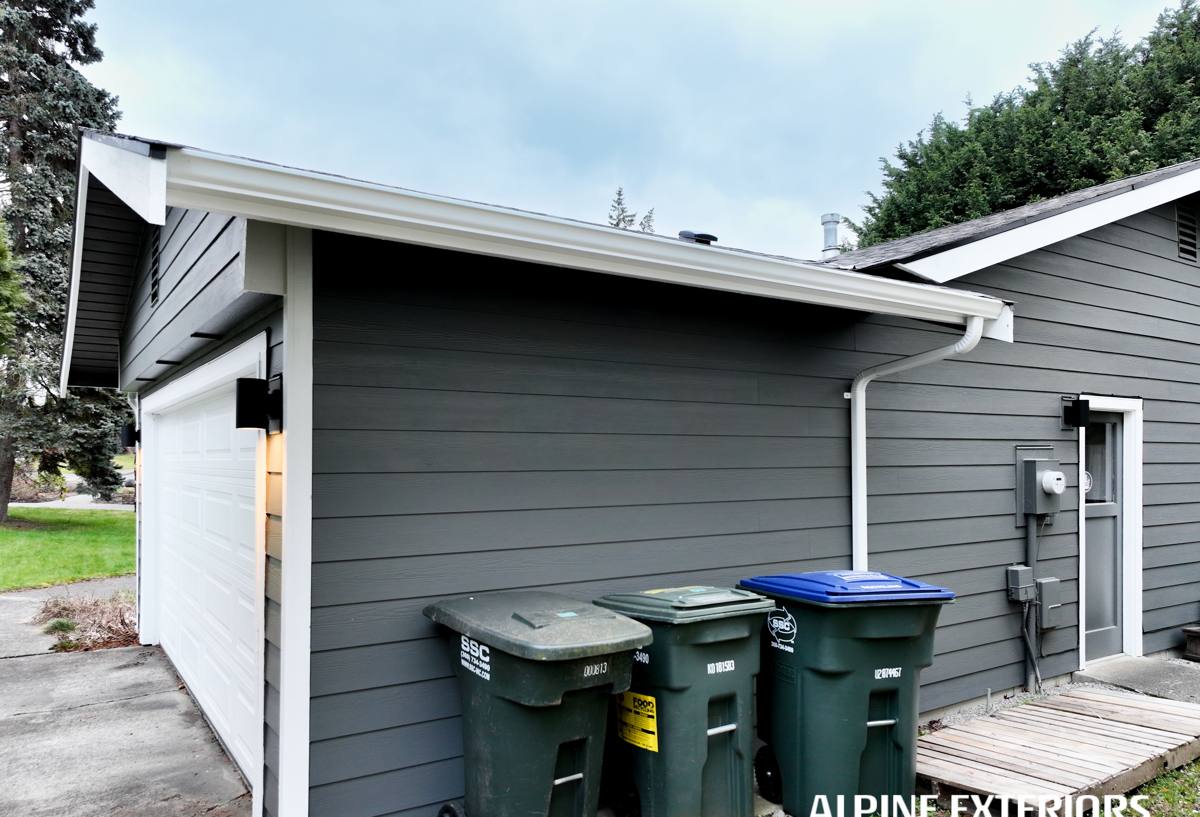
What This Climate Does to Siding
Lutz doesn't get a break from any of the conditions that wear down exterior cladding in West Central Florida. Homes here deal with the same combination that hits the rest of the Tampa Bay region, just inland enough that some homeowners assume they're insulated from it. They're not.
Wind and Storm Load
Hurricane-force winds and tropical storm systems move through this part of Pasco County on a predictable annual cycle. Wind doesn't just tear siding off in a big storm — it works panels loose over years through repeated flexing, especially at fastener points and seams that weren't installed to spec in the first place. Once a panel starts to lift even slightly, wind-driven rain gets behind it, and that's when real damage starts.
UV Exposure
Florida's sun is intense and consistent nearly year-round. Siding finishes that aren't engineered for this kind of UV load fade unevenly, chalk, and become brittle faster than their rated lifespan suggests. This is especially visible on south and west-facing walls, which take the harshest exposure through the afternoon.
Wind-Driven Rain and Moisture
It's not the rain itself that causes the most damage — it's rain pushed sideways into laps, seams, and butt joints by wind. Combined with Florida's humidity, any siding material that absorbs moisture or traps it behind the panel is set up for swelling, delamination, or rot, depending on the material.
Salt and Coastal Air Influence
Lutz is inland relative to the coast, but the broader Tampa Bay air mass still carries some salt content, and it accelerates corrosion of fasteners, trim, and any metal components on a home's exterior. It's a smaller factor here than it would be on Clearwater Beach, but it still adds to the cumulative wear on aging siding systems.
Signs Lutz Homeowners Should Watch For
Siding failure is rarely sudden. It shows up gradually, and most homeowners don't notice until the damage has already reached the sheathing underneath. Here's what we look for during an inspection:
- Panels that flex, rattle, or feel loose when pressed by hand
- Visible gaps or separation at seams, corners, and trim boards
- Soft or spongy spots near the bottom of walls, especially near grade or downspouts
- Paint or finish that's peeling, chalking heavily, or badly faded on one side of the house
- Warping, buckling, or waviness across a wall plane
- Visible mold, mildew, or dark streaking that keeps returning after cleaning
- Rising interior humidity, musty odors, or bubbling interior paint near exterior walls
- Increased pest activity around siding edges or penetrations
Any one of these can be minor on its own. Several appearing together usually means the siding is past the point of patch repairs and into replacement territory.
What a Correct Siding Replacement Involves
Siding replacement isn't just removing old panels and hanging new ones. A job done right addresses everything the old siding was hiding.
Tear-Off and Inspection
Once the old siding is off, we inspect the sheathing and framing underneath for water damage, soft wood, or rot — problems that are invisible until the wall is exposed. This is often the most important step in the entire project, because installing new siding over compromised sheathing just locks the problem in for another decade.
Repair Before Cover
Any damaged sheathing or framing gets repaired or replaced before anything new goes up. This isn't an upsell — it's the difference between siding that lasts and siding that fails again in five years for the same reason the last siding failed.
Weather-Resistive Barrier
A properly installed water-resistive barrier goes on before the new siding, managing any moisture that does get past the outer layer and giving it a path to drain instead of sitting against the wall assembly.
Correct Fastening and Clearances
Fastener pattern, spacing, and penetration depth all matter for wind resistance, and they're spelled out by the manufacturer for a reason — this is where a lot of underpriced installs cut corners. Proper clearance from grade, roofing, and decking also keeps moisture from wicking into the bottom of the panels.
Trim, Flashing, and Joints
Corners, window and door trim, and butt joints are where wind-driven rain finds its way in. Correct flashing and sealed joints at these transition points are what actually keep water out during a sideways rainstorm, not just the field of the siding itself.
Why We Only Install James Hardie Fiber Cement
We install James Hardie siding exclusively — we don't install vinyl, LP SmartSide, primed wood, cedar, or other fiber cement brands. That's a deliberate standard, not a limitation in what we're capable of installing.
Vinyl softens, warps, and can pull away from fasteners in sustained heat and high wind — the exact conditions Lutz sees for months at a time. Wood-based products, including engineered wood, depend on maintaining an intact factory coating; once that's breached by an impact, a fastener error, or normal wear, moisture gets into the substrate and the clock starts on rot. Fiber cement brands other than Hardie exist, but we've standardized on Hardie specifically for its ColorPlus factory finish, its HZ5 product line engineered for Florida's humidity and moisture exposure, and a transferable warranty backed by a manufacturer with decades of track record in this exact climate.
James Hardie fiber cement is non-combustible, resists moisture-driven swelling and rot because it's cement-based rather than wood-based, and holds its factory-applied color far longer under intense Florida UV than field-painted alternatives. It's not the cheapest option on the shelf, but it's the one we're willing to put our name behind for a home in this climate.
How Siding Materials Compare in This Climate
| Factor | Vinyl | Wood / Engineered Wood | James Hardie Fiber Cement |
|---|---|---|---|
| Wind resistance | Softens and flexes in heat; can crack or blow off in high wind | Rated for wind, but fastener pull-through risk if coating is compromised | Engineered and rated for high-wind installation |
| Moisture behavior | Doesn't absorb water, but trapped moisture behind panels causes rot in sheathing | Absorbs moisture if coating fails; prone to swelling and rot | Resists moisture absorption and associated rot |
| UV / fade resistance | Fades and chalks over time, especially darker colors | Field paint fades and needs recoating | Factory ColorPlus finish holds color significantly longer |
| Maintenance | Low, but limited repair options once damaged | Regular repainting and caulking required | Minimal; no repainting cycle required for years |
| Fire performance | Combustible | Combustible | Non-combustible |
Our Siding Replacement Process
Every job follows the same sequence, whether it's a small ranch home or a larger two-story property:
- On-site inspection and honest assessment of whether repair or full replacement makes sense
- Written estimate detailing scope, materials, and Hardie product line recommendation
- Full tear-off of existing siding
- Sheathing and framing inspection, with repairs made before any new material goes up
- Weather-resistive barrier installation
- James Hardie siding installed to manufacturer fastening and clearance specifications
- Trim, flashing, and joint sealing at every penetration and transition
- Final walkthrough with the homeowner before we consider the job complete
Why Hiring a Crew That Works Lutz Regularly Matters
Siding installation quality comes down to details that are easy to skip and hard to spot after the fact — fastener spacing, flashing at penetrations, clearances at grade. A crew that regularly works Pasco County homes has already seen how these details play out over years of Florida heat and storm seasons, not just at the moment of installation. That experience shows up in how the trim gets cut, how the corners get flashed, and how the job holds up three hurricane seasons later.
We also know the county's permitting expectations and inspection process for exterior work in this area, which keeps the project moving instead of stalling on paperwork. For a homeowner, that means fewer surprises and a crew that's answering to a standard they'll have to stand behind on the next Lutz home down the street.
Questions to Ask Before You Hire
Whoever you choose for a siding replacement, these questions will tell you a lot about how the job will actually be done:
- Will you inspect and repair sheathing before installing new siding, and is that in writing?
- What weather-resistive barrier do you install, and how is it detailed at seams and penetrations?
- What fastening pattern and clearances will you follow, and are they per manufacturer spec?
- What warranty covers the material, and what covers your labor separately?
- Can you walk me through how you handle flashing at windows, doors, and corners?
If a contractor can't answer these clearly, that's worth noting before you sign anything.
If your Lutz home's siding is showing wear, gaps, or damage, we're happy to take a look and give you a straightforward assessment — no pressure, no obligation. Use the form below to request a free estimate and we'll walk the property with you.