 Land O'Lakes Siding
 Why Lutz Siding Takes a Beating
Lutz sits in that stretch of Pasco County just north of Tampa where the climate doesn't do anything halfway. Summers bring intense, sustained UV that bakes the south and west-facing walls of a house for months at a time. Afternoon storms roll in fast and hard, driving rain sideways into corners, trim, and anywhere a seam isn't sealed the way it should be. Tropical systems add hurricane-force gusts that flex siding and work fasteners loose, and even homes a good distance from open water pick up salt-laden air that accelerates corrosion on anything metal. None of this is unique to Lutz, but it's a lot for a house to absorb year after year, and it's why siding that looked fine five years ago can suddenly show cracking, warping, or soft spots that need attention now.
Siding repair is not the same job as a full re-side, and it shouldn't be treated that way. Done right, it targets the specific damage, matches the surrounding material, and re-establishes the moisture barrier behind the wall so the same spot doesn't fail again next storm season. Done wrong — a quick caulk-and-paint patch, or a repair that ignores what's happening behind the panel — it just delays the real problem and often makes the eventual fix more expensive.
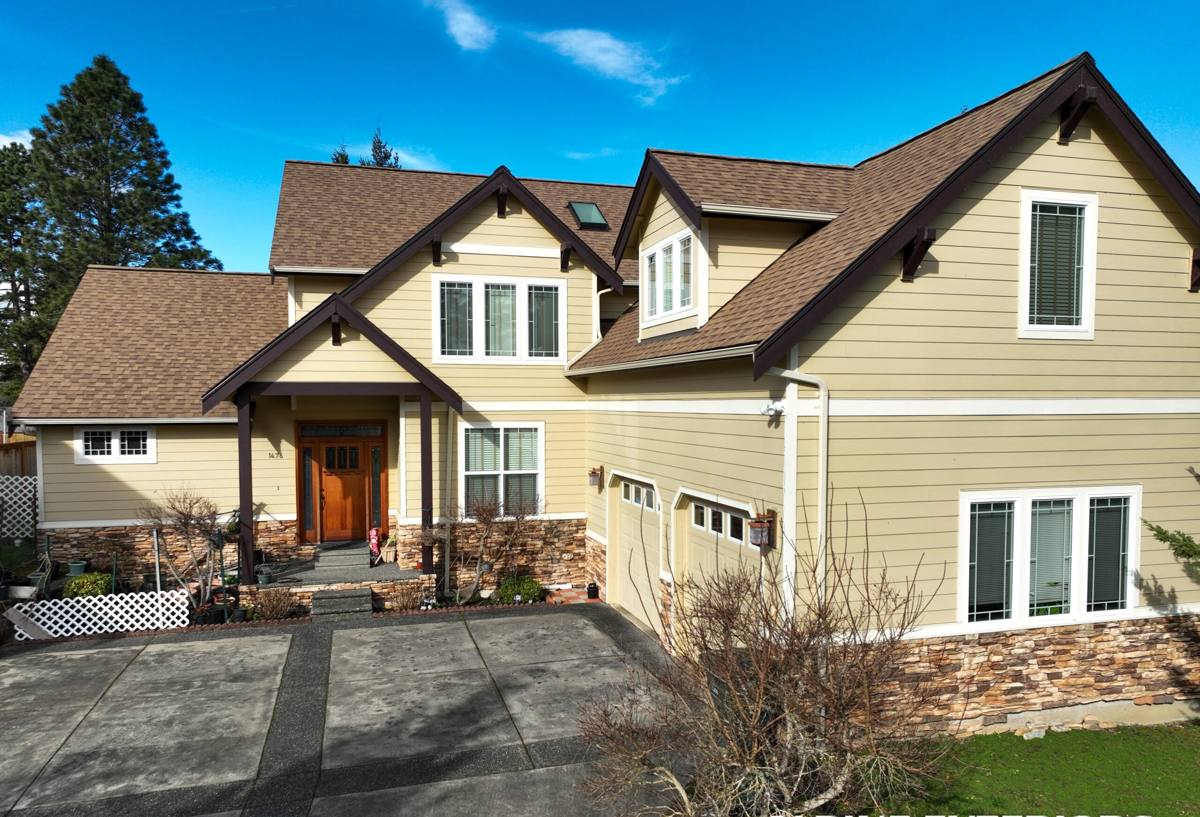
Signs a Lutz Home Needs Siding Repair, Not a Full Replacement
Most homes don't need to be re-sided wall to wall. They need specific problem areas addressed before those problems spread. Common repair triggers we see in this part of Pasco County include:
- Cracked or split panels near corners, window trim, or wherever siding meets a different material
- Soft, spongy, or visibly swollen sections — usually a sign of moisture getting behind the siding
- Fasteners backing out or popping through the surface after high-wind events
- Chalking, fading, or finish breakdown concentrated on the sun-exposed sides of the house
- Gaps or separation at seams and butt joints where caulking has failed
- Visible impact damage from wind-blown debris during a storm
- Staining or discoloration that suggests water is tracking down behind the siding rather than off it
Any one of these, caught early, is usually a contained repair. Left alone through another wet season or two, several of them turn into sheathing damage, which is a bigger and more expensive conversation.
Why Small Problems Escalate Fast Here
Florida's humidity means wood sheathing and framing behind a compromised panel don't just get wet and dry out — they stay damp long enough for rot and mold to take hold. A gap that would be a cosmetic nuisance in a dry climate can become a structural issue here within a season or two if it's not sealed properly.
Repair or Replace? How We Actually Decide
Homeowners often ask us to just fix what's visible without a real inspection of what's behind it. We won't do that, because a repair over hidden damage doesn't hold. Here's the general framework we use when we're standing in front of a Lutz home:
| Situation | Repair Usually Makes Sense | Replacement Usually Makes More Sense |
|---|---|---|
| Damage location | Isolated to one wall, corner, or a handful of panels | Spread across multiple elevations |
| Sheathing condition | Dry, solid wood behind the damaged section | Soft or rotted sheathing found during inspection |
| Age of existing siding | Siding is otherwise sound and mid-life | Siding is near end of service life or already failing broadly |
| Material match | Matching material and color are available | Discontinued product or no reasonable match exists |
| Cause of damage | Isolated impact, fastener failure, or localized moisture | Systemic issue — poor original installation, missing moisture barrier |
The honest answer is usually somewhere on this table, not at either extreme. Part of a good repair estimate is telling you plainly which side of that line your home falls on.
What a Correct Siding Repair Actually Involves
A repair that's done right is more than swapping a broken piece for a new one. On a proper job we:
- Remove the damaged section carefully, without disturbing more of the surrounding siding than necessary
- Inspect the sheathing, framing, and existing moisture barrier underneath before anything goes back on
- Address any rot, water intrusion, or barrier failure found — repairing over a wet or compromised substrate is a waste of everyone's time and money
- Re-establish proper weather-resistive barrier and flashing details at the repair boundary, so water sheds correctly instead of finding a new path in
- Fasten new material per manufacturer spec, not just "close enough"
- Match color and profile as closely as the product line allows, and finish edges so the repair doesn't stand out or create a new failure point
Skipping the inspection step is the single most common shortcut in this trade, and it's the one that causes homeowners to call back a year later with the same problem, now worse.
Why We Repair Exclusively with James Hardie Fiber Cement
We install and repair James Hardie fiber cement siding only. We don't patch a home's existing vinyl, LP SmartSide, cedar, or other fiber cement brands with mismatched material, and we don't recommend those products when a repair area needs more than a small patch. That's not a knock on every one of those products — some have real strengths. But when it comes to what we stand behind with our own labor, a few things matter to us:
- Non-combustible material — fiber cement doesn't contribute fuel to a fire the way some wood-based or synthetic sidings can.
- Engineered for this climate — Hardie's HZ5 product line is specifically formulated for high-humidity, storm-prone regions like ours, which matters as much for a repair patch as it does for a full install.
- Factory-applied ColorPlus finish — a repair panel finished at the factory holds color and resists the UV fading that plagues field-painted patches, so a repaired section doesn't visibly mismatch a year later.
- Consistent, well-documented product lines — because Hardie's lines are stable and widely available, we can usually source a genuine match for repairs on homes we didn't originally install, rather than guessing at a discontinued profile.
- A real transferable warranty — repairs performed correctly on Hardie product keep the manufacturer warranty intact instead of creating a gray area.
If your home currently has a different siding material and needs repair, we'll give you an honest assessment of your options — including patching in kind where that's genuinely the sensible choice, or discussing a phased transition to Hardie for sections that are failing repeatedly. What we won't do is tell you a mismatched patch will look and perform like new. It won't.
Our Process for Lutz Repair Calls
1. Inspection and Honest Assessment
We walk the exterior, document the damage, and check behind affected panels wherever we can access them without unnecessary demolition. You get a straight answer on repair versus replacement before any work starts.
2. Written Estimate
You'll get a clear scope of work — what's being removed, what's being inspected, what's being replaced, and why — along with a firm price before we schedule anything.
3. The Repair Itself
Most isolated repairs in Lutz are completed in a single day. Larger or multi-section repairs, or jobs where we find sheathing damage that needs addressing, take longer and we'll tell you that up front, not after we've opened the wall.
4. Final Walkthrough
We check the repaired area with you before we consider the job done — color match, seams, caulking, and that the surrounding siding wasn't left worse off than we found it.
Problem Areas We See Most Often in This Area
A few patterns show up repeatedly on repair calls in the greater Land O'Lakes and Lutz area, largely tied to the climate factors mentioned above:
- Corner boards and trim intersections, where wind-driven rain finds the smallest gap
- Lower courses of siding near grade, where splashback and irrigation overspray keep material damp longer than it should be
- South and west elevations, which take the brunt of both UV exposure and afternoon storm winds
- Areas around exterior fixtures — hose bibs, vents, light fixtures — where original penetrations weren't flashed adequately
- Sections facing open ground or water, where salt-laden air accelerates fastener and finish wear
What to Ask Before You Hire Anyone for Siding Repair
Repair work is easy to do poorly and hard to inspect once it's closed up. Before you hire a crew in the Lutz area, it's worth asking:
- Will you inspect behind the damaged panel before quoting the repair, or just the visible surface?
- What happens if you find rotted sheathing once the siding is off?
- Will the repaired section carry a manufacturer warranty, or only a labor warranty?
- Can you match the existing product line, or will the patch be a visibly different material or profile?
- Do you carry insurance and are you licensed to work in Pasco County?
- Will I get a written scope of work before the crew starts?
A contractor who's worked in Lutz and the surrounding Land O'Lakes area regularly will have already seen your specific problem on another house nearby, and should be able to answer these without hesitation.
Ready for a Straight Answer on Your Siding?
If you're seeing cracked panels, soft spots, or storm damage on your Lutz home, we'll come take a look, tell you honestly whether it's a repair or something bigger, and give you a clear, no-pressure estimate — no obligation either way. Use the form below to get started.