 Land O'Lakes Siding
 Roofing for Lutz, Where Two Counties and One Climate Meet
Lutz sits right along the Pasco-Hillsborough line, close enough to Land O'Lakes that many of the homes here were built by the same developers, on the same slabs, under the same building code cycles. What that means for a roof is simple: the construction is familiar to us, but the punishment it takes is not gentle. A new roof installed in Lutz has to survive the same Tampa Bay weather pattern that batters the rest of Pasco County — hurricane-force wind gusts during the summer and fall storm season, sun exposure strong enough to break down roofing materials faster than in most of the country, sideways wind-driven rain that finds every gap in bad flashing work, and a steady dose of salt-laden air carried in off the Gulf. None of that is unique to any one street or subdivision. It's the baseline every roof in this area has to be built to handle.
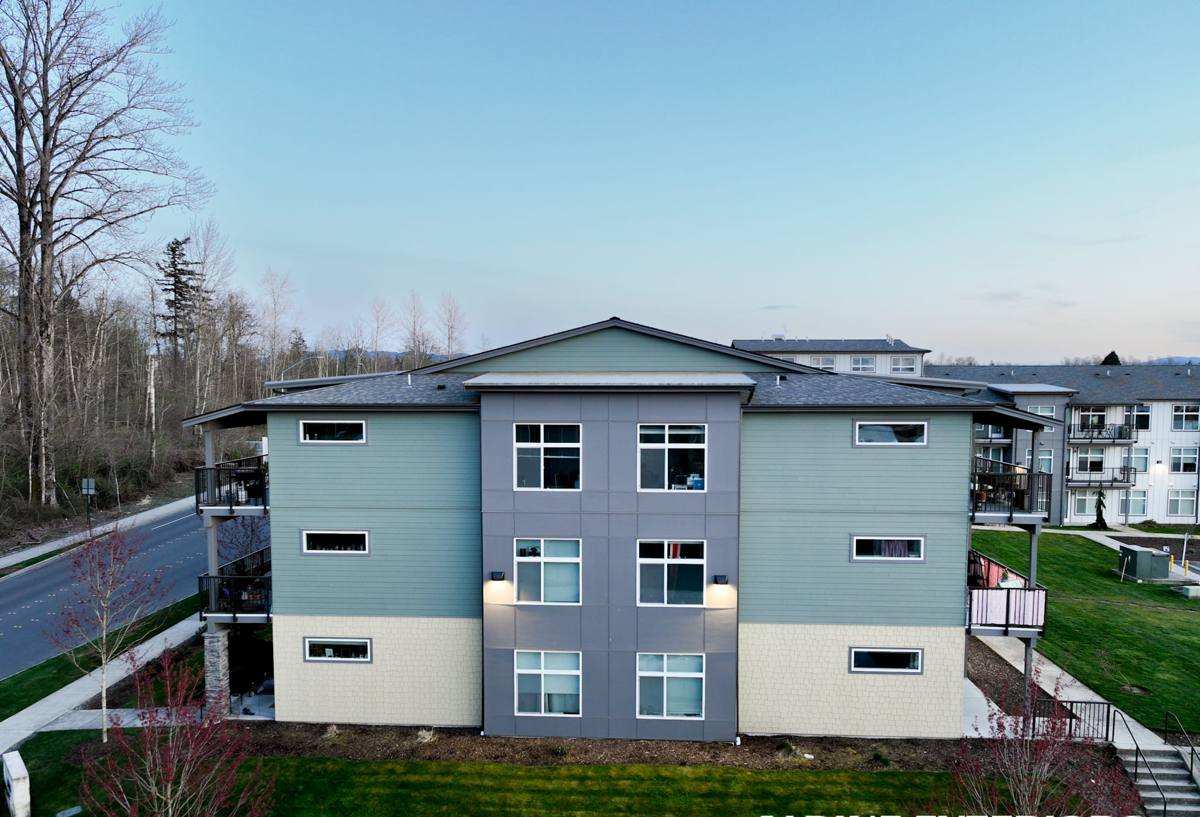
What a New Roof in Lutz Actually Has to Withstand
UV Load
Central Florida gets some of the most intense year-round sun exposure in the continental United States. Roofing materials are rated for UV resistance, but not all of them hold up the same way — asphalt shingles lose oils and granules over time, and cheaper underlayment can become brittle years before it should. A roof that isn't specified correctly for this sun load will show premature granule loss, curling, and color fade well before its rated lifespan is up.
Wind
Lutz doesn't get direct hurricane landfalls every year, but it sits well within the wind field of any storm that tracks through the Tampa Bay region, and straight-line thunderstorm gusts during summer can rival tropical storm force on their own. Roof failures in wind events are almost never "the shingles blew off" in isolation — they're usually a nailing pattern that didn't meet code, a starter course that was skipped, or edge metal that wasn't properly fastened. Wind resistance is built in at the install, not added after.
Wind-Driven Rain
Rain that falls straight down is easy for any roof to shed. Rain that's being pushed sideways by 40-60 mph gusts finds its way under shingle tabs, around pipe boots, and through poorly lapped flashing. This is why underlayment selection and flashing detail work matter as much as the shingle brand on top.
Salt Air and Humidity
Even well inland from the coastline, the Tampa Bay area carries enough salt content in the air to accelerate corrosion on exposed metal fasteners, flashing, and vents. Combined with Florida's near-constant humidity, that's a faster path to rust and metal fatigue than most other parts of the country see. Material choices for flashing, drip edge, and fasteners should account for this from day one.
Signs a Lutz Roof Needs Replacing, Not Patching
Homeowners often ask us to look at a leak and end up finding out the roof itself is past the point where patching makes financial sense. A few honest signs that a full replacement is the right call rather than another repair:
- Granules collecting in gutters or at the base of downspouts in noticeable amounts
- Shingles that are curling, cupping, or cracking across large sections of the roof, not just one spot
- Soft spots or sagging when walked on, which usually means deck damage underneath
- Daylight visible through the attic decking, or water stains on multiple ceiling areas
- A roof that's approaching or past 18-20 years old, even if it "looks fine" from the ground
- Recurring leaks after storms in different spots each time, rather than one consistent failure point
- Missing or lifted shingles after any significant wind event
If only one or two of these apply and the roof is otherwise young, a repair is often the honest answer — we'll tell you that. When several apply at once, patching becomes a short-term fix on a system that's already failing.
Material Options for Lutz Homes
There's no single "right" roofing material for every house — it depends on budget, roof pitch, HOA rules, and how long you plan to stay in the home. Here's how the common options actually compare for this climate:
| Material | Typical Lifespan Here | Wind Performance | Notes for This Climate |
|---|---|---|---|
| Architectural (dimensional) asphalt shingles | 18-25 years | Good, with proper nailing and rated products | Most common choice; wide style and color range; good value |
| 3-tab asphalt shingles | 12-18 years | Lower wind rating than architectural | Lower upfront cost but shorter service life in this wind exposure |
| Standing seam metal | 40-50+ years | Excellent when properly installed | Higher upfront cost; strong UV and salt-air performance; can lower insurance premiums |
| Tile (concrete or clay) | 40-50+ years | Very good, but installation sensitivity is high | Common on higher-end homes; heavier structural requirements; underlayment quality matters more than the tile itself |
Whatever material a homeowner chooses, we make sure it carries a wind rating and manufacturer specification that actually matches Pasco County's code requirements — not a generic national spec that happens to be cheaper.
What a Correctly Installed Roof Actually Involves
A roof replacement is not just stripping old shingles and nailing down new ones. Done correctly, it's a sequence where each step protects the next:
- Full tear-off. We remove the existing roofing material down to the deck rather than layering over it, which lets us actually inspect what's underneath.
- Deck inspection and repair. Any rotted, delaminated, or water-damaged plywood gets replaced before anything new goes down. Skipping this step is one of the most common ways a "new" roof fails early.
- Drip edge and flashing. Correctly lapped and fastened metal at every edge, valley, and penetration point is what actually keeps wind-driven rain out — this is where a lot of cut-rate installs fall short.
- Underlayment. A synthetic or self-adhering underlayment rated for this climate, installed with proper overlap, gives the roof a second line of defense if wind ever lifts the primary roofing material.
- Field application. Shingles, metal panels, or tile installed to the manufacturer's nailing or fastening pattern — not a faster pattern that saves labor time but voids the wind rating.
- Ventilation check. Proper attic intake and exhaust ventilation keeps heat and moisture from building up under the new roof, which extends its life and helps with energy costs.
- Final inspection and cleanup. Nail sweep with a magnetic roller, debris removal, and a walk-through so the homeowner knows exactly what was done.
Permitting, Wind Mitigation, and Insurance
A full roof replacement in this area requires a building permit, and it has to be inspected against Florida's current wind-resistance code, which is stricter than most other states'. This isn't paperwork for its own sake — it's what determines whether the roof is actually built to survive local storm conditions, and it directly affects your insurance. After a qualifying new roof install, homeowners are entitled to an updated wind mitigation inspection, which can lower windstorm insurance premiums meaningfully. We pull the required permits, coordinate inspections, and provide the documentation homeowners need to hand to their insurance agent — that paperwork trail matters as much as the roof itself when it comes time to file a claim or renew a policy.
How Our Process Works, Start to Finish
We keep the process straightforward because a roof replacement is disruptive enough without added confusion:
- On-site inspection and honest assessment of whether you need a repair or a full replacement
- Written estimate that breaks down material, labor, and any deck repair contingencies
- Material selection guidance based on your roof's pitch, HOA restrictions if any, and budget
- Permit pulled and scheduled inspections coordinated on your behalf
- Tear-off, deck repair, and installation typically completed in one to a few days depending on roof size and material
- Full cleanup with a magnetic nail sweep of the yard and driveway
- Final walk-through and paperwork for warranty and wind mitigation documentation
Why It Matters That We Already Work in Lutz
A roofing crew that already works this immediate area — Land O'Lakes, Lutz, and the surrounding Pasco County communities — knows the local permitting offices, the common construction types in these neighborhoods, and what this specific climate does to a roof over time. That's not a marketing line, it's a practical advantage: fewer surprises during permitting, material recommendations based on what actually performs here rather than a generic national playbook, and a crew that can respond quickly if a storm causes damage after the fact. When your roofer isn't driving in from two counties over, scheduling and follow-up service are simpler for everyone.
After the Install: Keeping a New Roof Performing
A correctly installed roof still benefits from basic upkeep in this climate. Keep gutters clear so water isn't backing up under the edge. Trim overhanging branches that can abrade shingles in wind or drop debris after storms. Have the roof looked at after any major wind event, even if nothing looks obviously wrong from the ground — small flashing or fastener issues are far cheaper to catch early than after a season of rain has gotten underneath. Most manufacturer warranties also require the roof to be free of unaddressed damage, so a quick post-storm check protects both the roof and the warranty.
If your Lutz-area roof is showing its age or you just want a straight answer on repair versus replacement, we're happy to take a look. Use the form below to request a free, no-pressure estimate — we'll give you an honest assessment and a clear number, no obligation attached.