 Land O'Lakes Siding
 Why Lutz Roofs Take a Different Kind of Beating
Lutz sits along the Pasco-Hillsborough county line, close enough to Tampa Bay to catch salt-laden air but far enough inland that afternoon storms build fast and hit hard before they blow through. Homes here deal with a combination most parts of the country never see at once: sustained hurricane-force wind gusts during tropical systems, near year-round UV exposure that most roofing materials were never designed to survive decade after decade, wind-driven rain that gets pushed sideways under loose flashing and worn shingles, and a steady dose of salt air that accelerates corrosion on anything not properly coated or fastened.
A roof that's correctly matched to that mix doesn't just look good going up — it has to hold its fasteners through gusts, resist chalking and fading under UV, keep water out when rain is coming in horizontally, and shrug off corrosion for 30, 40, even 50 years. That's the standard we hold every metal roofing job in the Land O'Lakes and Lutz area to.
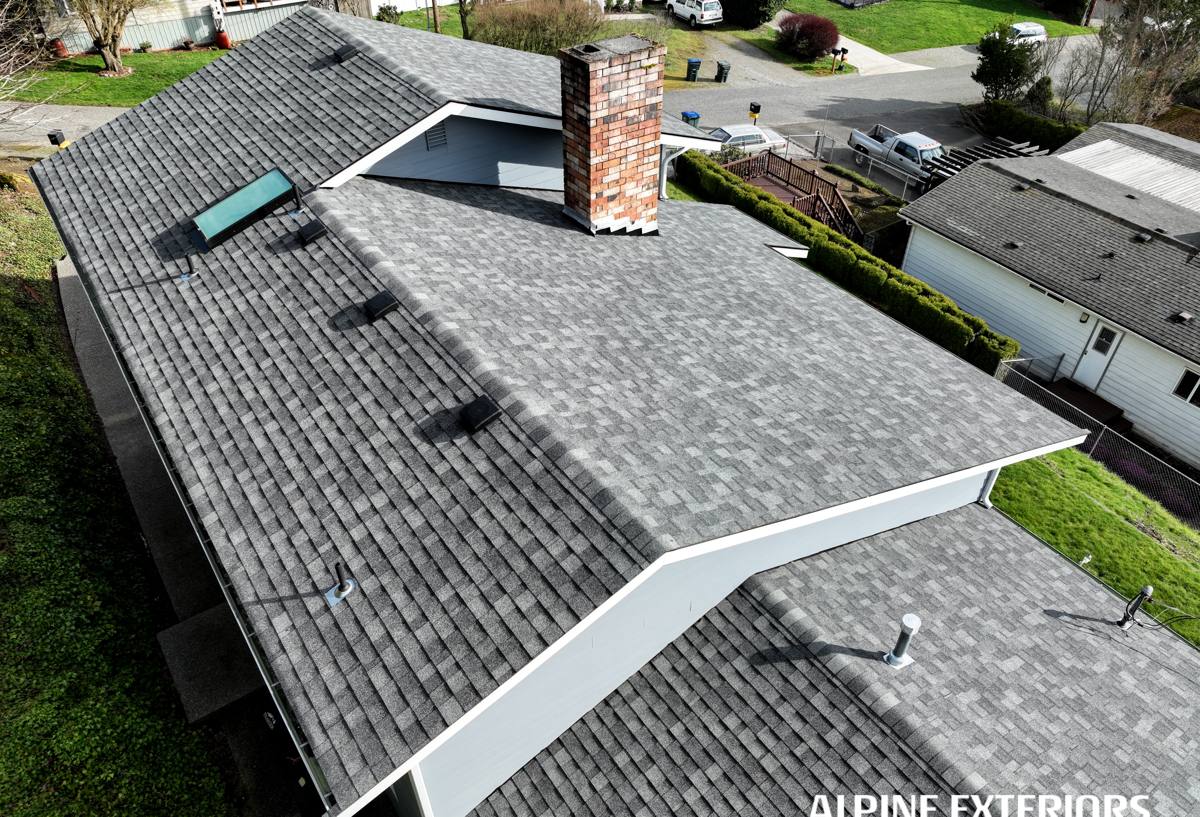
What "Correct" Metal Roofing Actually Means Here
Metal roofing has a reputation as a premium, low-maintenance option, and done right, it earns that reputation. But the panels themselves are only part of the system. A metal roof that fails prematurely in this climate almost always fails because of what's underneath or around the panels, not the metal itself.
The details that actually determine performance
- Underlayment: A high-temp, self-adhering synthetic underlayment (not felt) is the backup water barrier if wind ever drives rain past the panel seams — critical during tropical storms and hurricanes.
- Fastening pattern: Screw spacing and clip spacing have to match the wind zone and roof geometry, not just a generic manufacturer minimum. Corners and eaves need tighter spacing because that's where uplift concentrates first.
- Panel gauge: Thicker gauge steel or aluminum resists oil-canning (visible waviness) and holds fasteners better under repeated wind loading over the years.
- Flashing and penetrations: Every pipe boot, vent, valley, and wall transition is a potential leak point. These get more callbacks than the field panels ever do.
- Ventilation: Proper ridge and soffit ventilation keeps attic temperatures down under Florida sun and prevents moisture buildup that leads to rot and mold underneath a roof that otherwise looks fine.
Skip any one of these and you can still end up with leaks, corrosion, or lost panels — even with premium metal on top.
Choosing the Right Metal Panel System
Not every metal roofing system is built the same way, and the right choice depends on your roof's slope, your budget, and how much wind uplift resistance you want built in. We walk homeowners through the real trade-offs rather than pushing one product for every house.
| System | How It's Fastened | Wind & Water Performance | Best Fit |
|---|---|---|---|
| Standing seam | Concealed clips, no exposed screws through the panel face | Strongest wind uplift resistance; seams interlock so there's nothing for water or wind to catch | Homes wanting the longest service life and cleanest look |
| Exposed-fastener panel | Screws driven through the panel face into the deck | Solid performance when installed correctly, but exposed screws need re-torquing or replacement as gaskets age | Budget-conscious projects, outbuildings, secondary structures |
| Stone-coated steel | Interlocking panels fastened similarly to standing seam | Mimics tile or shingle profiles with metal's wind and impact strength | Homeowners who want a metal roof that doesn't look like one |
For primary residences in a coastal-influenced, high-wind area like Lutz, we lean toward standing seam or stone-coated steel because neither relies on exposed fasteners that loosen over time. Exposed-fastener panels aren't a bad product — they're simply a maintenance commitment, since every screw gasket is a future point of failure once it dries out and cracks under UV exposure.
Material and coating matter as much as the panel style
Aluminum doesn't rust and handles salt air well, which makes it a common choice closer to the bay. Galvalume steel, properly coated, also performs well but benefits from a marine-grade finish the closer you are to open water. Whatever the base metal, the paint system (typically a PVDF/Kynar-type finish on quality roofs) is what actually resists UV fading and chalking — cheaper coatings break down years earlier under Florida sun.
Our Installation Process
The steps don't change much house to house, but the details we check at each one do.
- Inspection and measurement: We assess the existing roof deck, ventilation, and any signs of past leaks or rot before quoting anything.
- Tear-off or overlay decision: Metal can sometimes go over an existing roof, but we typically recommend a tear-off so we can inspect and repair the deck — hidden rot is the single biggest cause of a metal roof underperforming its warranty.
- Deck repair: Any soft or damaged decking gets replaced before underlayment goes down, not patched around.
- Underlayment and flashing: High-temp synthetic underlayment, new flashing at valleys, walls, and penetrations — this is where most leak prevention actually happens.
- Panel installation: Panels and fasteners or clips installed to the spacing the wind zone and roof design call for, not a generic minimum.
- Final inspection and cleanup: We walk the roof, check seams and flashing, and make sure the yard is clear of debris and stray fasteners before we consider the job done.
Permits, Codes, and Wind Mitigation in Pasco County
Metal roof replacements in Pasco County require a permit, and the work has to meet current Florida Building Code wind provisions for our wind zone. We handle the permitting and inspections as part of the job so you're not chasing paperwork.
Beyond code compliance, a correctly installed metal roof can qualify for wind mitigation credits on your homeowners insurance. The savings depend on your specific policy and carrier, but the mitigation inspection looks at real installation details — roof-to-wall connections, fastener type, and deck attachment — which is another reason cutting corners during installation can cost you twice: once in repairs, and again in insurance premiums you didn't need to pay.
What Metal Roofing Costs in the Lutz Area
Metal roofing costs more upfront than asphalt shingles, but the honest comparison has to include lifespan, maintenance, and — for many homeowners — insurance impact. Exact pricing depends on your roof's size, pitch, complexity, and the system you choose, but here's how the major cost factors typically move the number.
| Factor | Effect on Cost |
|---|---|
| Panel system (exposed-fastener vs. standing seam) | Standing seam generally runs higher due to concealed clips and more labor-intensive seaming |
| Roof pitch and complexity | Steep roofs, multiple valleys, and dormers increase labor time and material cuts |
| Tear-off vs. overlay | Tear-off adds cost but is usually the right call for deck inspection and long-term performance |
| Metal type (aluminum, steel, coated steel) | Aluminum and premium coatings cost more but resist salt-air corrosion longer |
| Deck repair needs | Rot or soft decking found during tear-off adds material and labor not visible in an initial estimate |
We provide itemized, written estimates so you can see exactly what's driving the price before any work starts — no vague lump-sum numbers.
Keeping a Metal Roof Performing for Decades
Metal roofing is genuinely low-maintenance compared to shingles, but "low-maintenance" isn't "no-maintenance," especially in a climate that stresses roofs year-round.
- Have the roof visually inspected after any major named storm, even if you don't see obvious damage from the ground.
- Keep gutters and valleys clear of leaves and debris so water sheds the way the system was designed to.
- Check exposed-fastener screws periodically if that's your panel type — gaskets do wear out over time.
- Trim back overhanging branches that can scuff coatings or drop debris into valleys.
- Watch for any signs of ponding, staining, or granule-like residue from coating breakdown, and have it looked at before it becomes a leak.
- Have a roofer check sealant at penetrations every few years — sealant ages faster than the metal around it.
Why a Crew That Already Works Lutz Matters
A lot of roofing problems in this area aren't about the material — they're about installation choices that looked fine on paper but didn't account for how wind actually loads a roof in a coastal-influenced part of Pasco County, or how fast UV and salt air degrade a cheaper coating here compared to a drier, cooler climate. A crew that works Lutz and the surrounding Land O'Lakes area regularly knows the local wind zone requirements, has already navigated Pasco County permitting more than once, and has seen firsthand which details actually hold up through storm season and which ones come back as callbacks. That familiarity is worth more than it sounds like on a sales sheet — it's the difference between a roof that's built to code and one that's built for what this area actually throws at it.
If you're weighing metal roofing for a home in Lutz or anywhere around Land O'Lakes, we're glad to walk your roof, answer questions honestly, and put together a written estimate — no pressure, no obligation. Use the form below to get started.