 Land O'Lakes Siding
 Deck Repair Built for Lutz's Climate, Not a Generic Checklist
Lutz sits in that stretch of Pasco County where a deck earns its keep — long outdoor seasons, backyards that back up to conservation land or water, and homeowners who actually use the space most of the year. That's also exactly why decks here take a beating. Intense year-round UV bakes and dries out wood fiber. Afternoon thunderstorms drive rain sideways into ledger boards and stair stringers. Hurricane-force wind events put real lateral load on railings and post connections. And even this far inland, salt-laden air moving off the Gulf slowly corrodes fasteners and hardware over the years. A deck repair that doesn't account for all of that isn't really a repair — it's a temporary patch.
We work Lutz regularly as part of our Land O'Lakes service area, so we're not guessing at what local decks are dealing with. We see the same failure patterns over and over: soft spots near the house where the ledger meets the siding, rust-streaked screw heads, railings that have gone wobbly, and boards that look fine from a distance but flex or feel spongy underfoot. This page walks through what we actually find, what a correct repair involves, and how we handle the job from first look to final walk-through.
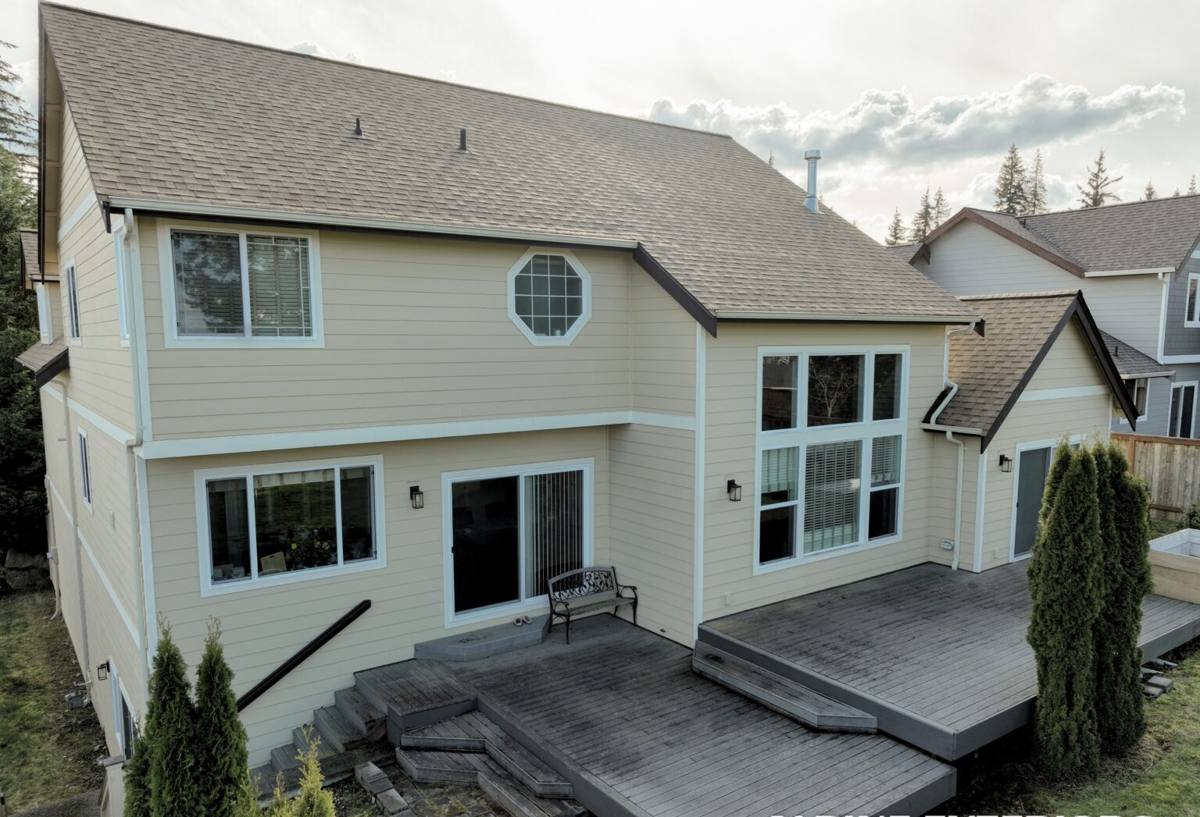
Why Lutz Decks Wear Differently Than Decks Up North
A deck built the same way in Ohio and Lutz will age on completely different timelines. Down here, the wear is driven by a combination of things happening at once rather than one dominant factor:
- UV exposure: Florida sun breaks down the lignin in wood fibers and degrades sealants and finishes far faster than in cooler climates — untreated or unsealed wood can gray and start splitting within a couple of seasons.
- Wind-driven rain: Pasco County's summer storm pattern doesn't just wet the deck surface, it drives moisture horizontally into joints, fastener holes, and the ledger-to-house connection, where it lingers.
- Heat cycling: Boards expand in the heat of the day and contract at night, and that constant movement works fasteners loose and opens up small gaps that let water in.
- Humidity and ground moisture: High ambient humidity combined with sandy, often poorly-draining soil in some Lutz lots keeps deck framing and post bases damp longer than they should be, which is where rot gets its start.
- Salt air: Even at Lutz's distance from the coast, airborne salt accelerates corrosion on screws, joist hangers, and bolts — this is usually the quiet cause behind a railing that suddenly feels loose.
None of this means a deck in Lutz is doomed to fail early. It means the materials, fasteners, and detailing have to be chosen and installed with this environment in mind — and repairs have to fix the actual cause, not just the symptom.
The Symptoms We See Most Often
When a homeowner calls us about a deck in Lutz, it's almost always one of these:
- Soft, spongy, or bouncy boards, especially near the house or stairs
- Visible cracking, splitting, or cupping in wood decking
- Rust stains bleeding out from screw heads or bolts
- A railing or stair handrail that wiggles or feels less solid than it used to
- Gaps opening up where the deck meets the house (the ledger board)
- Discoloration or a musty smell that suggests moisture is trapped underneath
- Nails or screws backing out of the surface
What a Correct Deck Repair Actually Involves
A lot of "deck repair" in this industry means swapping a board or two and calling it done. That approach misses the point when the underlying cause — trapped moisture, a compromised ledger connection, or corroding hardware — is still there. Our process starts below the surface, not at it.
1. Structural Inspection First
Before we touch a single board, we check the framing: joists, beams, posts, and — critically — the ledger board where the deck attaches to the house. This connection takes the most water exposure and the most structural load, and it's the single most common point of hidden failure. We're checking for soft or delaminated wood, corroded flashing, and any sign that fasteners have lost their grip.
2. Moisture and Rot Assessment
Surface damage tells only part of the story. We probe suspect areas to find out how far rot or moisture damage actually extends, because cutting out only the visibly bad wood and leaving compromised framing behind just guarantees a repeat call in a year or two.
3. Hardware and Fastener Evaluation
Given how hard salt air and heat cycling are on fasteners here, we check joist hangers, structural screws, and bolts for corrosion and loosening — not just the ones near the surface, but the ones buried in the framing that rarely get looked at until something fails.
4. Railing and Guard Post Integrity
Railings take direct wind load during storm events, and a post that's even slightly loose at its base is a real safety issue, not a cosmetic one. We test every railing section for movement and check post-to-frame connections, not just the railing itself.
5. Board-Level Repair or Replacement
Once we know the framing underneath is sound (or has been corrected), we address the decking surface itself — replacing individual boards where warranted, re-securing loose ones, and correcting spacing and fastening so water can shed properly instead of pooling.
6. Finish and Protection
Where wood decking is staying in place, proper sealing matters more here than almost anywhere else in the country because of the UV load. A deck that isn't sealed correctly after repair will simply fail again on a shortened timeline.
Repair vs. Replacement: How We Help You Decide
Not every deck problem needs a full rebuild, and not every deck is worth fully repairing. We give you an honest read on which side of that line your deck falls on, based on what the framing tells us — not on which answer is more profitable for us.
| Situation | Usually Repairable | Usually Needs Replacement |
|---|---|---|
| Isolated soft boards, sound framing underneath | Yes | — |
| Rot at the ledger board, limited spread | Yes, with ledger correction | — |
| Widespread rot across multiple joists or beams | — | Yes |
| Loose railings, sound posts | Yes | — |
| Structural posts showing rot at the base | Sometimes (post-by-post) | Often, if multiple posts affected |
| Deck is under 10 years old, isolated damage | Yes | — |
| Deck is original to an older home, widespread wear | — | Usually more cost-effective long-term |
As a rough guide, repairs run from a few hundred dollars for isolated board or hardware work up to a few thousand for more involved framing and ledger repairs. Full deck rebuilds are a bigger investment but reset the clock entirely. We'll always give you the repair option first if it's structurally sound to do so.
How Our Process Works, Start to Finish
- Free on-site inspection. We walk the full deck, framing included, and explain what we find in plain language — no pressure, no upsell.
- Written estimate with options. If there's a genuine choice between repair and replacement, we lay out both so you can decide with full information.
- Scheduling around your storm calendar. We plan work with Pasco County's rain patterns in mind so materials and framing aren't left exposed mid-repair.
- The repair itself. Structural work first, then surface and finish work, using fasteners and hardware rated for this climate.
- Final walk-through. We check railing stability, board fastening, and finish quality with you before we call it done.
Materials and Hardware We Rely On
Given the humidity, heat, and salt exposure typical of Pasco County, we lean on stainless or coated corrosion-resistant fasteners and hardware rather than standard galvanized options, particularly on ledger connections and post bases where failure would matter most. For decking material itself, the right call depends on your existing deck, your budget, and how much upkeep you want going forward — we'll talk through wood versus composite honestly, including the real maintenance trade-offs of each, rather than pushing one option because it's easier for us to sell.
A Few Maintenance Habits That Extend a Repair's Life
- Rinse pollen, salt residue, and debris off the deck surface periodically rather than letting it build up
- Keep gutters and downspouts near the deck clear so runoff isn't dumping extra water onto or under it
- Re-seal wood decking on a regular schedule appropriate to sun exposure — a deck in full afternoon sun needs it more often than a shaded one
- Walk the deck after any major storm and look for new soft spots, loose railings, or standing water
- Keep planters and grills from sitting directly on boards for long periods, which traps moisture underneath
Why a Crew That Already Works Lutz Matters
Deck repair is one of those jobs where local experience genuinely changes the outcome. A crew that's worked Lutz backyards already knows what Pasco County's soil, humidity, and storm patterns do to a deck over time, so they're not learning that on your project. That translates into faster, more accurate diagnosis — we know where to check first because we've seen the pattern before — and repair decisions built around what actually holds up here rather than a generic national playbook. It also means we're realistic about scheduling and material lead times locally, so we're not giving you a timeline that doesn't hold up.
Get a Free, No-Pressure Estimate
If your deck has a soft board, a wobbly railing, or you just want an honest read on its condition before your next family gathering or storm season, we're happy to come take a look. The inspection and estimate are free, and there's no pressure to move forward — you'll get a clear picture of what's actually going on and what it would take to fix it right. Fill out the form below to schedule your free deck inspection.