 Land O'Lakes Siding
 A deck in Lutz has a harder job than it looks like it should. It's not just a place to put a grill and a couple of chairs — it's an outdoor structure that sits exposed to Pasco County's full weather cycle, year after year, with no roof overhead in most cases and no break from the sun. Homeowners in this part of Land O'Lakes often come to us after a deck built by someone unfamiliar with our climate starts failing early: boards cupping, fasteners bleeding rust, railings going soft at the post bases. Almost all of it traces back to the same root cause — a deck that was built like it belongs somewhere else.
This page is about what it actually takes to build a deck that holds up in Lutz specifically, not a generic "deck installation" rundown. If you're comparing quotes or just trying to understand what a correct build looks like before you sign anything, this should help.
What Lutz Weather Actually Does to a Deck
Lutz sits inland from the Gulf but still gets plenty of the same abuse coastal Pasco County properties deal with — just distributed differently across the year. Four things matter most for deck longevity here:
Heat and UV Exposure
Central Florida sun is intense and consistent almost every month of the year. On a deck, that UV load hits horizontal surfaces directly and constantly. Wood fibers break down at the surface (graying, splintering, checking), composite capstock can fade or chalk if it's a lower-grade product, and any finish or sealer gets consumed faster than it would in a milder climate. Fastener heads and hardware left exposed to direct sun also run hotter, which accelerates coating breakdown on lower-quality screws.
Wind-Driven Rain
Rain in this area doesn't fall straight down very often — it comes in at an angle, driven by wind, especially during summer storm season and any tropical system that pushes through. That matters for deck construction because water gets forced sideways into joints, under ledger boards, and into fastener holes that would stay dry in a calmer climate. A deck built without real attention to flashing and drainage at the ledger connection is one of the most common failure points we see.
Hurricane-Force Wind Loads
Pasco County decks need to be attached and framed with storm wind in mind, not just everyday load. The ledger-to-house connection, post-to-footing connection, and railing attachment are the parts of a deck most likely to fail under wind uplift or lateral load if they were under-built. This isn't about over-engineering a backyard deck — it's about following the fastening schedule and hardware that Florida's wind zones actually call for.
Salt Air and Humidity
Lutz isn't beachfront, but Tampa Bay's salt air reaches well inland, and combined with Florida's baseline humidity, it's tough on any metal component. Standard fasteners and connectors corrode faster here than in drier, inland climates elsewhere in the country. This is why fastener and hardware selection matters as much as the decking material itself.
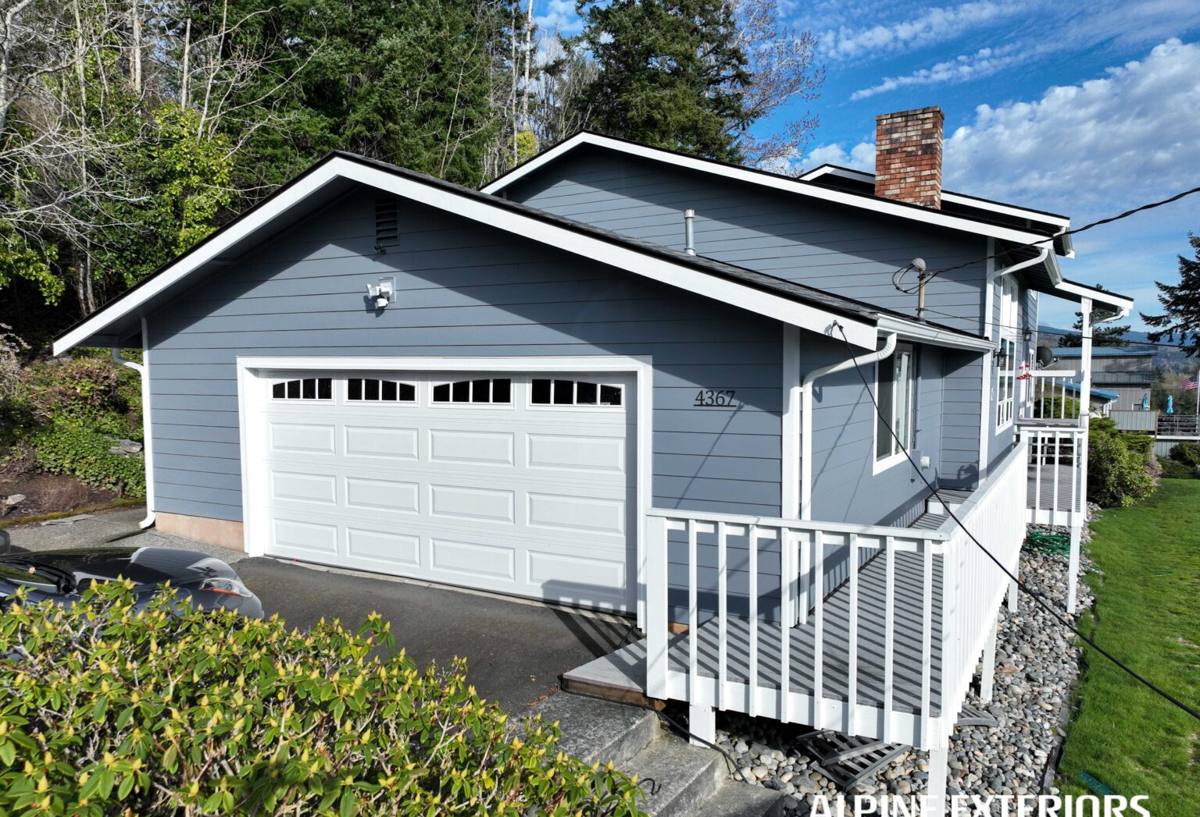
What a Correctly Built Deck Involves
A deck that's going to last in this climate isn't built differently in dramatic ways — it's built correctly in the details that get skipped when a crew is moving fast or unfamiliar with local conditions. Here's what we consider non-negotiable:
- Ledger board flashing that actually sheds water away from the house band board, not just a bead of caulk behind the ledger
- Stainless steel or coated structural fasteners and connectors rated for the corrosion this climate produces
- Footings sized and set to local frost-free, wind-zone requirements — not a generic minimum
- Joist spacing and beam sizing that account for the actual span and the decking material's weight and flex
- Proper gapping between deck boards for drainage and material expansion in heat
- Railing posts through-bolted into framing, not just screwed to the rim joist
- A drainage path underneath the deck so water doesn't pool against footings or framing
Decking Material Options for This Climate
There's no single "best" decking material — there's a best fit for how you'll use the deck, your maintenance appetite, and your budget. Here's how the common options actually perform in Land O'Lakes conditions:
| Material | How It Handles Lutz Climate | Maintenance | Relative Cost |
|---|---|---|---|
| Pressure-treated pine | Holds up structurally if properly sealed; surface grays and checks under UV without upkeep | Needs re-sealing every 1-2 years | Lowest |
| Composite (capped) | Strong UV and moisture resistance; good choice for full-sun decks | Periodic cleaning, no sealing | Mid to high |
| Tropical hardwood | Naturally dense and rot-resistant, but needs oiling to control fading and checking | Annual oiling for appearance | High |
| PVC decking | Fully resists moisture and rot; performs well in humidity, some products soften under sustained direct heat | Low — occasional cleaning | High |
We'll walk through these trade-offs honestly during your estimate. A shaded deck under mature trees has different needs than one in full afternoon sun, and we'd rather steer you toward the material that fits your actual site than the one with the highest margin.
Structural Connections: Where Decks Actually Fail
Most deck failures we get called out to inspect in Pasco County aren't decking failures — they're connection failures. The ledger board pulling away from the house, a post base that's rotted from standing water, railing that flexes because it was never bolted into real framing. These are the parts of the job that don't show up in a photo but determine whether the deck is safe in fifteen years or fifteen months.
Wind uplift is a real design consideration here, not a formality. Railings and stair stringers in particular need to be attached with hardware rated for lateral load, and every ledger connection needs mechanical fasteners sized to the framing, not just what's fast to install.
Our Process for Lutz Deck Projects
- Site visit and assessment — we look at drainage, sun exposure, existing structure (if replacing a deck), and how you plan to use the space
- Material and layout discussion — honest trade-offs based on your budget, maintenance tolerance, and the site conditions
- Permitting — Pasco County requires permits for most deck construction; we handle the application and inspections
- Footings and framing — built to local wind and load requirements, not a generic minimum spec
- Decking, railing, and finish work — installed with the fastener and gapping standards this climate demands
- Final walkthrough — we go over the finished deck with you, including any maintenance the material you chose will need
Permits and Inspections in Pasco County
Deck construction in unincorporated Pasco County, which covers most of the Land O'Lakes and Lutz area, generally requires a building permit and inspections at the footing and framing stages. This isn't paperwork we skip to save time — inspections catch structural issues before they're buried under decking, and a permitted deck protects you if you ever sell the house or file an insurance claim after a storm. We manage the permit process as part of the job.
Repair, Replacement, or New Build?
Not every deck problem means starting over. If you're dealing with an aging or storm-damaged deck, here's roughly how we sort it:
- Repair — isolated board replacement, railing tightening, or fastener upgrades when the framing and footings are still sound
- Partial rebuild — new decking and railing on framing that's structurally solid but was topped with a material that failed early
- Full replacement — when the ledger connection, framing, or footings show rot, corrosion, or under-sizing that repair can't fix safely
We'll tell you honestly which category your deck falls into. A full rebuild isn't always the right call, and we're not going to recommend one when a repair will genuinely hold up.
Why Hire a Crew That Already Works in Lutz
A deck builder who normally works in a different climate will default to specs and materials that work fine somewhere else and fall short here. Knowing the wind zone requirements for Pasco County, understanding how salt air moves inland from Tampa Bay, and having already seen how different decking materials hold up through a full Florida summer and storm season — that's the difference between a deck that needs attention every year and one that doesn't.
We work in Land O'Lakes and the surrounding Lutz area regularly, which means we're not guessing at local permitting requirements, soil conditions, or how a given material actually performs a few years in — we've seen it firsthand on jobs nearby.
If you're planning a new deck or need an honest look at one that's showing its age, we'll come take a look and give you a straightforward, no-pressure estimate — just fill out the form below.