 Land O'Lakes Siding
 Roof Repair Built for Lake Padgett's Conditions
Lake Padgett sits in a part of Land O'Lakes where mature tree canopy, several interconnected lakes, and older established construction all combine to put roofs under a specific kind of stress. It's not the same repair workload you'd see on a brand-new subdivision roof a few miles away. Homes here have had more time to accumulate wear from Pasco County's climate, and many still carry original or first-replacement roofing systems that are due for honest evaluation, not just a patch.
We repair roofs throughout Land O'Lakes, and Lake Padgett is one of the neighborhoods we're in regularly. That matters because roof repair is a diagnostic trade as much as a physical one — knowing what tends to fail first on the roofs in a given area, and why, is how you avoid a repair that looks fine for a season and fails again at the next storm.
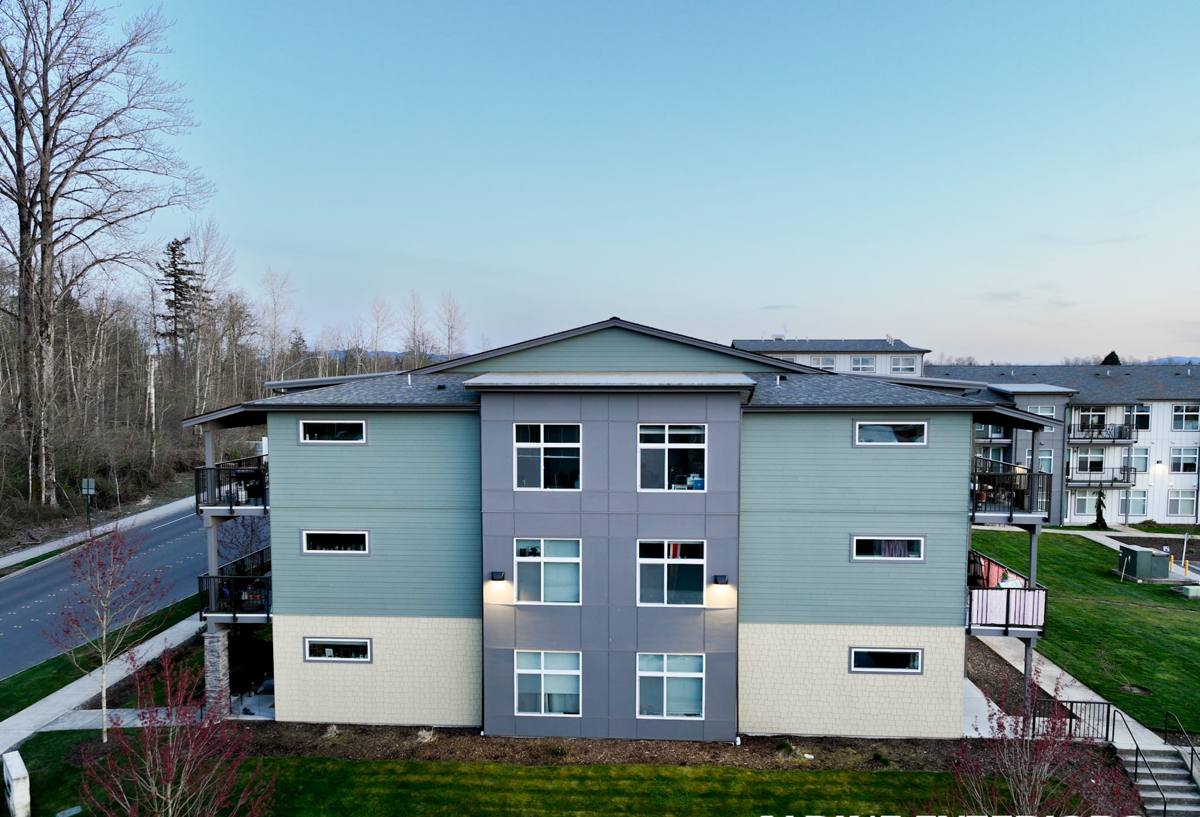
What West Central Florida Weather Does to a Roof
Every roof in this region is fighting the same combination of stressors, and Lake Padgett gets all of it. Hurricane-force winds during storm season lift and stress shingle edges, ridge caps, and flashing points. Intense, near-year-round UV exposure bakes asphalt shingles from above, drying out the oils that keep them flexible and accelerating granule loss. Wind-driven rain doesn't just fall on a roof — it gets pushed sideways and upward under laps and around penetrations, which is why so many leaks show up nowhere near where the water actually entered. And because we're close enough to the Gulf for salt-laden air to travel inland, metal components — nails, flashing, vent stacks, drip edge — corrode faster than manufacturers' generic lifespan estimates assume.
None of that is unique to Lake Padgett specifically, but the neighborhood's mature oak and pine cover adds a layer most newer developments don't deal with as much: organic debris. Leaves, pine needles, and seed pods collect in valleys and behind chimneys, hold moisture against the roofing material, and create the damp, shaded conditions where algae and moss get a foothold. A roof under heavy tree cover ages differently than one in full open sun, even on the same street.
Common Repair Issues We Find on Lake Padgett Roofs
Wind and Storm Damage
Lifted or missing shingles, especially along ridges, rakes, and roof edges where wind uplift is strongest. Once a shingle's seal is broken, the next storm doesn't have to be nearly as strong to finish the job.
Flashing Failures
Flashing around chimneys, skylights, and wall-to-roof transitions is one of the most common leak sources we find, and it's rarely obvious from the ground. Sealant dries out and cracks; metal flashing corrodes or works loose from thermal expansion and contraction over repeated heat cycles.
Valley and Debris Buildup
Roof valleys under tree cover collect organic material that traps water against the shingles. Left alone, this accelerates granule loss and can rot the decking underneath long before the shingles themselves look obviously worn.
Aged Underlayment and Decking
On older Lake Padgett homes, the underlayment beneath the visible shingles may be original felt paper that has long since dried out and lost its water-resistance. When we open up a repair area, this is often where we find the real problem — not the shingle that's missing, but what's underneath it.
Vent Boot and Penetration Wear
Rubber vent boots around plumbing stacks are a common leak point because UV exposure breaks down the rubber gasket faster than the surrounding shingles wear out. It's a small, inexpensive fix if caught early — and an interior ceiling stain if it isn't.
What a Correct Roof Repair Actually Involves
A repair that's done right isn't just replacing what's visibly damaged. It's tracing the water's actual path, because roof water travels — sometimes several feet — before it shows up as a stain on a ceiling. A shingle that's missing over the kitchen doesn't necessarily mean the leak originates there.
Correct repair work means:
- Identifying the true entry point, not just the visible symptom
- Checking decking condition underneath the damaged area for soft spots or rot before re-covering it
- Matching shingle type, color, and profile as closely as possible so the repair doesn't stand out
- Replacing flashing and sealant rather than just adding more sealant on top of failed material
- Confirming proper shingle overlap and nail placement so the repaired section performs like the surrounding roof, not as a weak point
- Clearing valleys and debris that contributed to the failure, so the same problem doesn't recur in a season
Skipping any of these steps is how a "repair" turns into a callback six months later — usually after the next round of wind-driven rain finds the same weak spot.
Our Repair Process, Start to Finish
- Inspection and diagnosis. We get on the roof (not just a look from the driveway) to trace water paths, check flashing, valleys, and vent penetrations, and assess decking condition around the damaged area.
- Honest explanation. We walk you through what we found, what's causing it, and what your realistic options are — repair, or if the roof's overall condition warrants it, a conversation about replacement instead.
- Written scope and estimate. You know exactly what work is being done and what it covers before anything starts.
- The repair itself. Matching materials, correct flashing and underlayment work, proper fastening, and cleanup of any debris that contributed to the original problem.
- Final check. We confirm the repair is watertight and that surrounding areas weren't overlooked, since a roof rarely fails in only one spot at once.
Repair vs. Replacement: How We Help You Decide
Not every roof problem needs a full replacement, and not every leak should just get patched. The right call depends on the roof's age, how widespread the damage is, and what condition the decking is in underneath.
| Factor | Repair Usually Makes Sense | Replacement Should Be Considered |
|---|---|---|
| Roof age | Under 12-15 years, in otherwise sound condition | Nearing or past manufacturer's expected service life |
| Damage scope | Isolated to one area (a section of shingles, one flashing point) | Multiple areas failing, or granule loss spread across large sections |
| Decking condition | Solid, no soft spots when checked | Soft, spongy, or rotted decking found under damaged shingles |
| Storm history | First significant damage after a storm event | Repeated storm damage over several seasons |
| Shingle match | Discontinued shingle color/style still reasonably matchable | Shingle style long discontinued, repairs will visibly mismatch |
We won't push a full replacement on a roof that just needs a proper repair, and we won't recommend patching a roof that's genuinely past the point where repair is the responsible choice. That call should be based on what we actually find on your roof, not a sales target.
Materials and Why They Matter Here
What goes into a repair matters more in this climate than in milder ones. We use materials chosen for how they hold up to UV exposure, wind uplift, and wind-driven rain specifically — not just whatever's cheapest to keep on the truck.
| Component | What We Use It For | Why It Matters in This Climate |
|---|---|---|
| Synthetic underlayment | Secondary water barrier beneath shingles | Resists moisture absorption and holds up far better than old-style felt paper under repeated humidity cycles |
| Corrosion-resistant flashing | Chimneys, walls, skylights, valleys | Salt air accelerates rust on standard metal; better flashing lasts longer between repairs |
| Matched architectural or 3-tab shingles | Section replacement | Keeps wind rating and appearance consistent with the surrounding roof |
| Sealed, high-quality vent boots | Plumbing and pipe penetrations | UV-resistant compounds resist the cracking that causes most penetration leaks |
Signs Your Lake Padgett Roof Needs a Repair Now
Some roof problems are obvious after a storm. Others build quietly for months before they show up inside the house. Watch for:
- A ceiling stain that appears or grows after heavy rain, even a small one
- Shingles that look curled, cracked, or are visibly missing from the roofline
- Granules collecting in gutters or at downspout outlets
- Daylight visible through the attic roof deck
- Soft or spongy spots when walking the attic floor near the roofline
- Visible sagging in any part of the roof plane
- Debris buildup sitting in valleys for extended periods
- Rusted or lifted flashing around chimneys, skylights, or wall intersections
If you're seeing any of these, the honest move is to get it looked at before the next storm rolls through, not after.
Why a Crew That Already Works Lake Padgett Makes a Difference
Roof repair quality depends heavily on correctly reading what caused the damage in the first place, and that's easier when you've already seen how roofs in a specific area tend to age. We know what to expect from homes with mature tree cover, what original roofing systems from this era of Land O'Lakes construction typically look like underneath, and where flashing tends to give out first on this kind of roof geometry.
That local familiarity also means faster, more accurate estimates — less guessing, less unnecessary tear-back to figure out what's going on, and a scope of work that reflects what your roof actually needs rather than a generic checklist. When storm season hits Pasco County, having already worked in your neighborhood means we're not learning the area's roofs for the first time while your ceiling is actively leaking.
Get a Straight Answer on Your Roof
If you've got a leak, storm damage, or a roof that's just due for an honest look, we'll come out, inspect it properly, and tell you plainly what it needs — repair or otherwise. No pressure, no inflated scope. Request a free estimate below and we'll get you scheduled.