 Land O'Lakes Siding
 Siding Built for Lake Padgett's Particular Climate Load
Lake Padgett sits inland from the Gulf but still absorbs the same weather pattern that defines exterior work across Pasco County: long stretches of intense UV, humidity that rarely lets up, sudden wind-driven downpours, and the real possibility of hurricane-force gusts during storm season. Homes around the Lake Padgett chain of lakes add another variable most subdivisions don't deal with as heavily — a wooded, water-adjacent setting that keeps siding shaded, damp, and slower to dry after every rain event.
That combination is hard on exterior materials that weren't engineered for it. Wood siding wicks moisture at every seam and fastener point. Vinyl softens and warps under sustained heat, then turns brittle and cracks in a stiff gust. Even siding products that hold up fine in drier climates can struggle here once humidity gets into a seam that wasn't sealed correctly. Fiber cement siding, installed correctly, is the one exterior cladding built specifically to shrug off this exact climate profile — but "installed correctly" is doing a lot of work in that sentence, and it's the part most homeowners never get to evaluate before signing a contract.
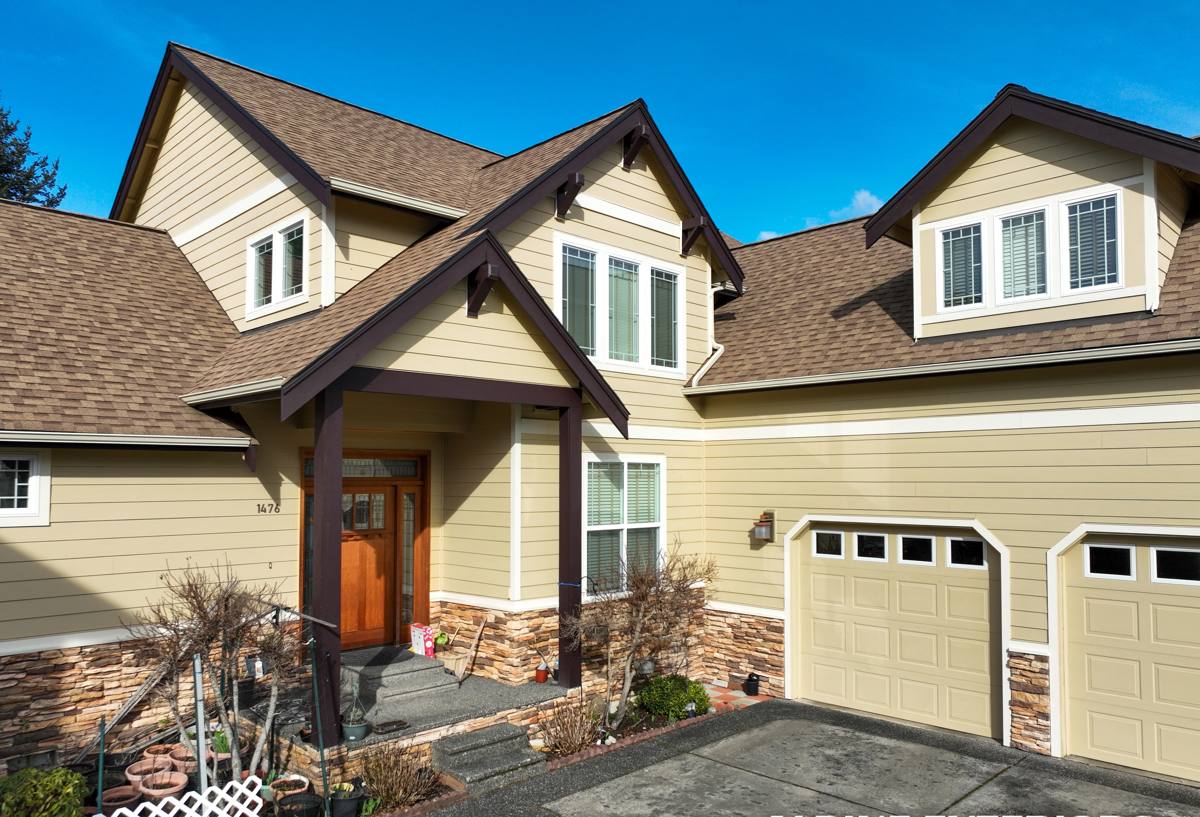
What "Correct" Fiber Cement Installation Actually Involves
Fiber cement siding fails almost never because of the material itself and almost always because of installation shortcuts. In a climate like Land O'Lakes', the margin for error is thinner than in drier regions, because any gap in the water management plan gets tested by rain within weeks, not years.
The details that separate a correct job from a problem job
- Proper weather-resistant barrier behind the siding, lapped correctly so water sheds outward instead of behind the panel
- Rain screen or drainage gap where the wall assembly calls for one, so moisture that gets behind the siding has somewhere to go
- Correct fastener type, spacing, and depth per the manufacturer's installation instructions — over-driven nails are one of the most common causes of early siding failure
- Factory-cut and field-cut edges sealed and primed per spec, especially at butt joints
- Proper clearance from grade, roof lines, and horizontal surfaces so siding never sits in standing water or constant splash-back
- Flashing integrated correctly at every window, door, and penetration — not caulk used as a substitute for flashing
None of this is exotic. It's the manufacturer's own installation manual, followed completely instead of partially. The difference shows up ten and twenty years down the road, not on move-in day, which is exactly why it's so easy for a corner-cutting install to look fine at first and fail early later.
Why We Install James Hardie and Nothing Else
We standardized on James Hardie fiber cement siding exclusively. We don't install LP SmartSide, vinyl, Cemplank, Allura, or unprimed wood siding — not because those products have no legitimate use, but because after years of exterior work in this climate we settled on one system we trust completely and can stand behind with a real warranty.
Hardie's HZ5 product line is engineered specifically for climate zones like ours, formulated to handle high humidity and moisture cycling. The ColorPlus factory finish is baked on under controlled conditions rather than field-applied, which matters in a market where field-painted siding gets far less UV protection than factory-cured finish. And because Hardie backs the product with a strong, transferable non-prorated warranty, homeowners have real recourse if something goes wrong with material — something that matters more here than in milder climates, where siding simply gets tested harder and more often.
Non-combustibility is worth mentioning too. Fiber cement doesn't contribute fuel to a fire the way wood-based siding products can, which is a meaningful consideration for wooded lots like many around Lake Padgett, where tree canopy sits close to the home.
How Materials Compare in This Climate
| Material | UV/Fade Resistance | Moisture Behavior | Wind/Impact Resistance | Typical Maintenance |
|---|---|---|---|---|
| James Hardie Fiber Cement | Strong — factory ColorPlus finish resists fading | Engineered for humid climates; doesn't rot | Rated for high-wind zones when installed to spec | Periodic caulk/paint touch-up over decades |
| Vinyl Siding | Fades and chalks under sustained heat/UV | Doesn't rot, but seams allow moisture intrusion | Can crack, warp, or blow off in high gusts | Low, but replacement of damaged panels is common |
| Wood/Cedar | Fades quickly without regular finish work | Absorbs moisture, prone to rot in humidity | Moderate; vulnerable to wind-driven debris | High — regular sealing/staining required |
| LP SmartSide (engineered wood) | Moderate with factory finish | Wood-based core; sensitive to sustained moisture exposure | Good when installed and sealed correctly | Moderate; edge sealing is critical |
This isn't a claim that every alternative product fails in this climate — many perform fine when installed correctly and maintained on schedule. It's a summary of the trade-offs that led us to standardize on one system rather than offering several and hoping each gets installed and maintained perfectly.
Our Process on a Lake Padgett Project
Every Lake Padgett job starts with an on-site inspection of the existing siding and the wall assembly behind it — not just a measurement for materials. We're checking for existing moisture damage, checking clearance at grade and roofline, and noting anything specific to the lot, like tree cover or drainage patterns, that affects how the new siding needs to be detailed.
What happens on a typical project
- On-site assessment and honest scope of work, including any substrate repair needed before new siding goes on
- Written estimate with product line, color, and installation specifics — no vague allowances
- Removal of old siding and inspection of sheathing, with repairs addressed before anything new is installed
- Weather-resistant barrier and flashing installed per manufacturer spec, at windows, doors, and every penetration
- James Hardie panels installed to manufacturer fastening and clearance requirements
- Final walkthrough covering caulking, trim details, and care going forward
We don't treat siding replacement as a cosmetic swap. The old siding coming off is often the first real look anyone gets at the wall behind it, and catching a moisture problem at that stage — instead of sealing it back up behind new material — is part of the job, not an upsell.
Trees, Lake Moisture, and Long-Term Maintenance
Homes near the Lake Padgett chain of lakes often sit under heavier tree canopy than newer, more open subdivisions nearby. That shade keeps siding cooler, but it also keeps it damp longer after rain and reduces airflow along the wall. Correctly detailed fiber cement handles that fine — the material itself doesn't rot — but it raises the importance of a few maintenance habits specific to shaded, lake-adjacent lots.
- Keep tree branches and heavy foliage trimmed back from exterior walls to maintain airflow
- Clear gutters regularly so overflow doesn't run down the siding face
- Re-caulk joints and trim on the manufacturer's recommended schedule, especially on shaded elevations
- Watch for organic growth (mold, mildew, algae) in perpetually shaded areas and clean per manufacturer guidance
- Inspect after major storms for impact damage from wind-blown debris, common under tree cover
What to Ask Before Hiring Anyone for a Siding Job Here
- Are they a certified or factory-trained installer for the specific product they're proposing?
- Will they show you the wall assembly plan — barrier, flashing, drainage — before they start?
- Do they inspect and repair sheathing before installing new siding, or just cover what's there?
- What warranty applies to material versus labor, and is it transferable if you sell the home?
- Do they have current, verifiable licensing and insurance for exterior work in Florida?
- Can they explain why they recommend one product over another for your specific lot conditions?
Any contractor should be able to answer these without hesitation. Vague answers on installation detail are the biggest early warning sign of a corner-cutting job.
Why a Crew That Already Works Lake Padgett Matters
Siding performance in this climate is a function of local conditions as much as material choice. A crew that regularly works Land O'Lakes and the Lake Padgett area already understands how tree cover affects drying time, how lake-adjacent humidity behaves differently than it does a few miles inland, and what wind exposure looks like on a given lot during storm season. That local pattern recognition shows up in the small decisions made on-site — where extra flashing goes, how much clearance to leave, which elevations need closer attention to sealing. It's the difference between a generic installation and one detailed for the house it's actually going on.
If you're considering fiber cement siding for a home in the Lake Padgett area, we're happy to walk the property, look at what's there now, and give you a straightforward, no-pressure estimate for a James Hardie installation done right the first time. Use the form below to get started.