 Land O'Lakes Siding
 Deck Building for Angus Valley Homes
Angus Valley is one of the established residential neighborhoods in Land O'Lakes, and homes here share the same backyard reality as the rest of Pasco County: hot, humid summers, sudden downpours, intense year-round sun, and the real possibility of a tropical system rolling through with hurricane-force gusts. A deck built for this neighborhood has to do more than look good on a Saturday afternoon cookout. It has to survive a decade or more of that weather without warping, splitting, rotting, or working its fasteners loose.
This page covers what actually goes into building a deck that holds up in Angus Valley specifically: the climate stresses at play, the materials and structural choices that matter most, how our process works from first visit to final walkthrough, and why local experience on this exact type of build changes the outcome.
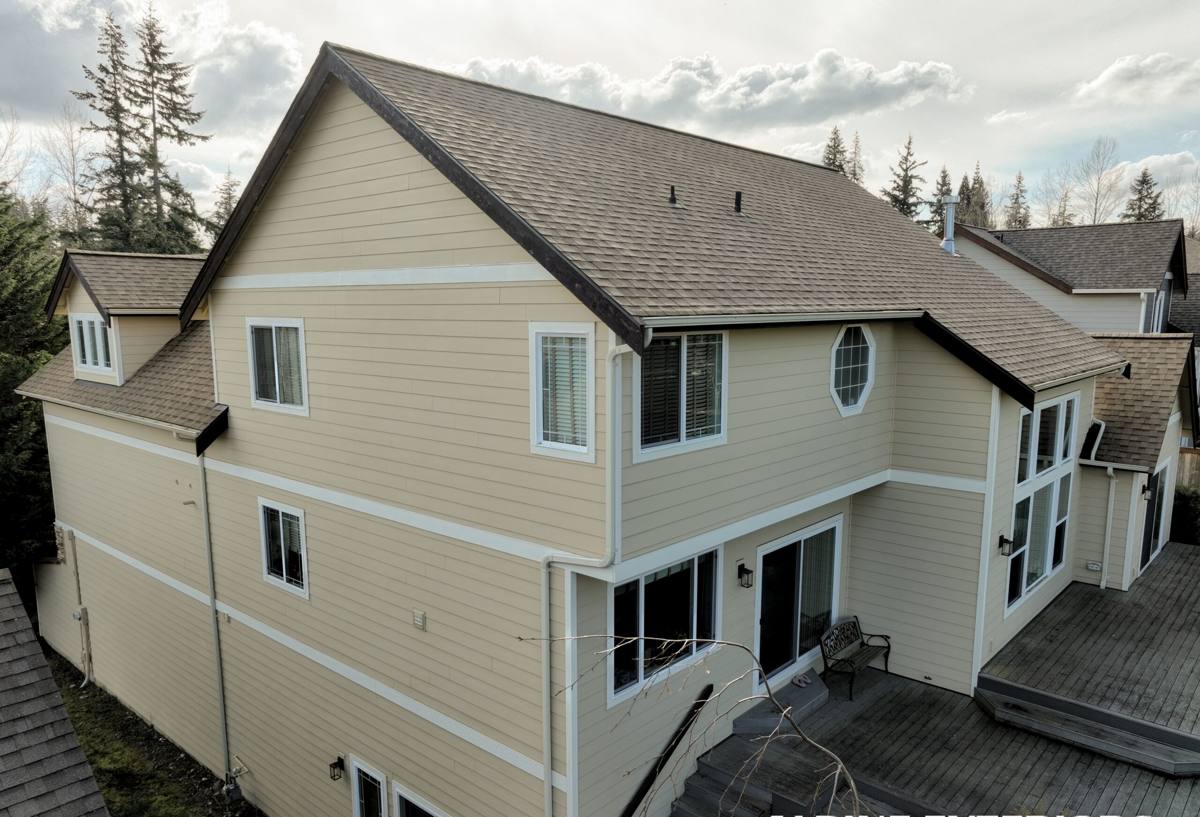
What Florida Weather Actually Does to a Deck
Most deck problems we get called out to inspect trace back to one of four things, and Land O'Lakes gets all four in a normal year.
UV Exposure
Florida sun is intense and nearly constant. Untreated or poorly finished wood surfaces gray, dry out, and become brittle within a couple of seasons. UV breaks down the surface fibers of wood decking and can fade or chalk lower-grade composite boards if the capping isn't rated for it. Fasteners and hardware exposed to direct sun for years also see faster finish breakdown, which opens the door to corrosion.
Wind-Driven Rain and Humidity
It's not just rainfall totals — it's rain pushed sideways into ledger boards, joist hangers, and post bases during storms, combined with the ambient humidity that never really lets wood dry out completely between rain events. Moisture that gets trapped against a house wall or pools around a post base is what starts rot and hardware corrosion, usually in places you can't see until the damage is advanced.
Hurricane-Force Wind Loads
Pasco County sits in an area where decks and attached structures need to be engineered for real wind uplift and lateral loads, not just vertical weight. A deck that's only built to hold people and furniture, without attention to how it resists wind trying to lift or rack it, is a deck that fails during the one event it actually needed to survive.
Salt Air
Land O'Lakes is inland, but Tampa Bay's salt air still reaches this far, especially on breezy days. Salt accelerates corrosion in fasteners, brackets, and any exposed metal hardware, which is one of the most common reasons older decks develop hidden structural weakness at connection points long before the boards themselves look bad.
Choosing the Right Decking Material for This Climate
There's no single "best" decking material — there's a best material for your budget, your maintenance appetite, and how much direct sun and rain exposure your particular yard gets. Here's how the common options actually perform in Pasco County conditions.
| Material | UV / Fade Resistance | Moisture Behavior | Maintenance | Typical Lifespan Here |
|---|---|---|---|---|
| Pressure-treated pine | Fades and grays without regular finishing | Absorbs moisture; needs sealing to resist swelling and rot | Annual cleaning and re-sealing | 10-15 years with upkeep |
| Composite (capped) | Good, if the cap is rated for high-UV climates | Won't rot, but poor drainage design can still cause board or substructure issues | Periodic washing, no sealing/staining | 25+ years |
| PVC decking | Excellent | Fully moisture-resistant surface | Low; occasional cleaning | 25-30+ years |
| Tropical hardwoods | Naturally dense, but still grays without oiling | Naturally moisture-resistant when properly dried and installed | Periodic oiling to maintain color | 20-25 years with upkeep |
Wood decking isn't wrong for Angus Valley — plenty of homeowners like the look and are willing to keep up with sealing on a schedule. What matters is being honest about that commitment up front. Composite and PVC cost more initially but trade ongoing maintenance for durability against the exact stresses — UV, humidity, salt air — this climate produces year after year. We'll walk you through the real trade-offs for your yard rather than pushing whatever's easiest for us to install.
Structure Matters More Than the Surface
The decking boards are what you see, but the framing underneath is what determines whether the deck is still safe in ten years. This is where we see the most corner-cutting on older or budget builds around Land O'Lakes.
Ledger Attachment
Where a deck attaches to the house is the single most common failure point in Florida decks, because it's also the spot most exposed to wind-driven rain running down the wall. Proper flashing, correct fastener spacing, and a ledger bolted (not just nailed) into solid framing are non-negotiable — this connection carries a large share of the deck's total load.
Post Bases and Footings
Posts need to sit on footings sized for Pasco County soil and set below grade to local code, with post bases that keep wood off standing water. A post buried directly in concrete or sitting in a low spot that holds rainwater is a rot problem waiting to happen.
Hardware and Fasteners
Everything below the decking surface — joist hangers, structural screws, post bases, hurricane ties — should be corrosion-resistant hardware rated for coastal or high-moisture use. This is a small cost difference at build time and the single biggest factor in how long the structure lasts before hidden corrosion becomes a real problem.
Wind Bracing
Diagonal bracing, proper joist hanger nailing patterns, and attention to uplift at every connection point are what keep a deck attached to itself and to the house during high-wind events, rather than relying on weight alone.
Permits and Local Code
Deck construction in Pasco County requires a permit and inspection for most attached and elevated structures — this isn't optional paperwork, it's the check that confirms the footings, ledger connection, and framing actually meet wind and load requirements for this area. A permitted deck also protects you at resale, when buyers and inspectors ask for it.
Our Deck Building Process
- On-site consultation. We walk your Angus Valley property, look at drainage, sun exposure, existing structures, and how you actually plan to use the space, then talk through material and layout options honestly.
- Design and proposal. You get a clear layout, material selection, and pricing before any work starts — no vague allowances that turn into surprise costs later.
- Permitting. We handle the Pasco County permit submission and coordinate the required inspections so the finished deck is fully code-compliant.
- Site prep and footings. Footings are dug and set to the depth and spacing the engineering calls for, not just what's fastest.
- Framing. Ledger, posts, beams, and joists go in with corrosion-resistant hardware and proper wind bracing throughout.
- Decking and railing installation. Boards and railings are installed to your chosen material's manufacturer specs, which matters for both appearance and warranty coverage.
- Final inspection and walkthrough. We confirm the county sign-off and walk the finished deck with you, covering how to care for the specific materials you chose.
Signs an Existing Angus Valley Deck Needs Attention
If you're not building new but wondering whether your current deck is still sound, these are the warning signs we take seriously on inspection calls in this area:
- Soft, spongy, or spring-back decking boards, especially near the house
- Rust streaks around fasteners, joist hangers, or post bases
- Visible gaps or movement where the ledger meets the house
- Wobble in railings or posts when pushed firmly
- Standing water that doesn't drain off the deck surface within an hour or two of rain
- Wood that's gone gray and rough despite regular sealing, suggesting the finish has failed at the surface
- Any deck attached to the house that was never permitted or inspected
Any one of these is worth a professional look before it becomes a safety issue rather than a repair.
Keeping a New Deck in Good Shape
Whatever material you choose, a little seasonal attention goes a long way in this climate:
- Clear leaves and debris from between boards and off ledger flashing regularly, especially after storms
- Rinse composite and PVC decking periodically to prevent mildew buildup in humidity
- Reseal or re-oil wood decking on the schedule your finish product recommends — UV exposure here shortens that interval compared to cooler climates
- Check railings and stair connections for looseness once or twice a year
- After any major storm, do a quick visual check of post bases and the ledger connection for new gaps or standing water
Why Local Deck-Building Experience Matters
A deck design that works fine in a dry inland climate can fail early here if it's built without accounting for Pasco County's wind requirements, humidity, and salt-tinged air. Working regularly in Angus Valley and the surrounding Land O'Lakes neighborhoods means we already know the permitting process, the soil conditions decks around here get built on, and which material and hardware choices actually hold up through a Florida summer and storm season rather than just looking good on install day. That local familiarity shows up in fewer surprises during the permit process and a deck that's built right the first time.
Get a Free Estimate for Your Angus Valley Deck
Whether you're planning a new deck, replacing an aging one, or just want an honest opinion on whether your current deck is still sound, we're happy to take a look. Use the form below to request a free, no-pressure estimate for your Angus Valley property.