 Land O'Lakes Siding
 Siding Installation Built for Dade City's Climate
Dade City homes take a beating that homeowners in milder climates never have to think about. Long, humid summers bake exterior walls in intense UV for months at a stretch. Afternoon thunderstorms drive rain sideways into wall assemblies. And when a tropical system or hurricane moves through Pasco County, wind-driven water finds every gap, seam, and weak fastener in a home's exterior. Siding here isn't just cosmetic — it's the first line of defense for the wood framing, insulation, and interior finishes behind it.
That's why siding installation in this area has to be treated differently than it would be in a dry, temperate region. The material matters, but so does the water management system behind it, the fastening pattern, the flashing details around every window and door, and the crew's familiarity with how Central Florida weather actually behaves over a full year. A siding job that looks fine on installation day but wasn't built for this climate tends to show its problems within a few storm seasons — buckling, staining, soft spots, or moisture intrusion that's already done damage before anyone notices.
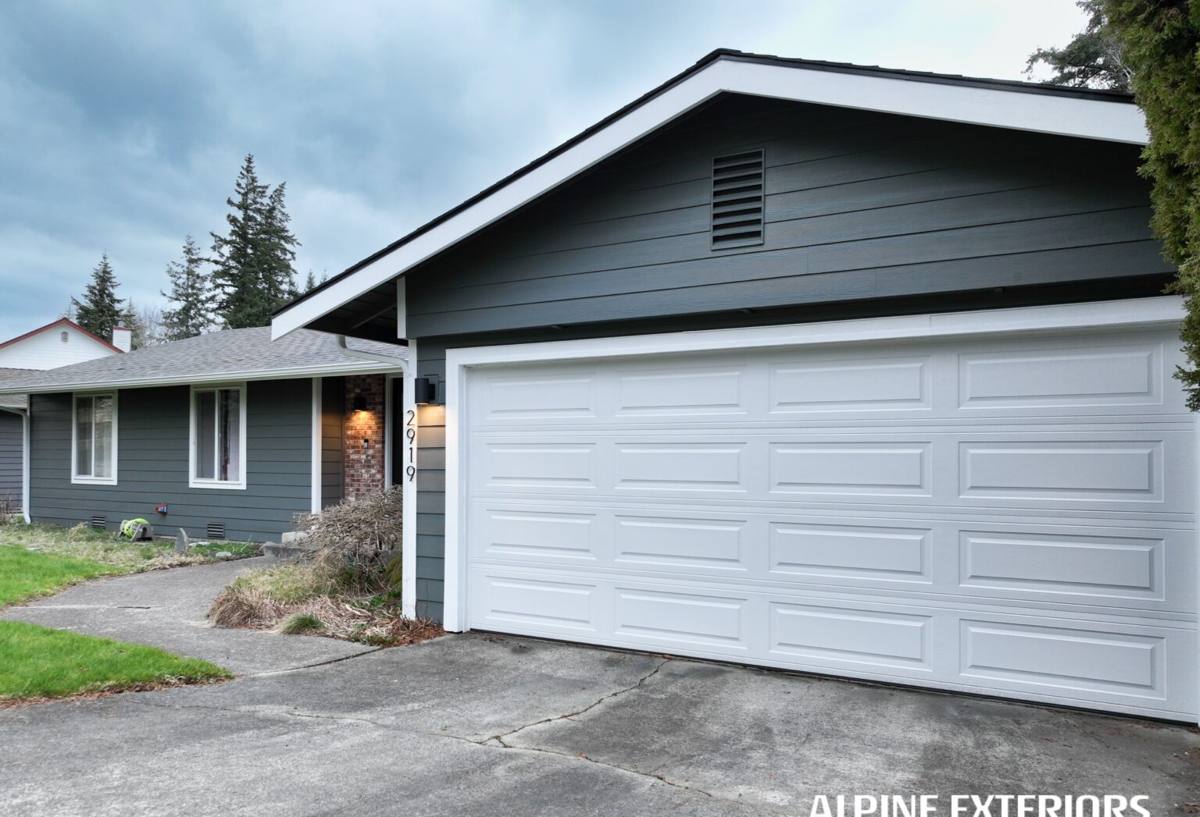
What Correct Siding Installation Actually Involves
Good siding installation is mostly invisible once the job is done. The visible cladding gets the attention, but the work that determines whether a siding job lasts 10 years or 40 happens underneath it.
Tear-Off and Substrate Prep
Old siding has to come off cleanly, and the sheathing underneath needs to be inspected — not assumed to be sound. In a humid climate, water intrusion behind old or failing siding can go undetected for years. Any soft, rotted, or delaminated sheathing needs to be replaced before new siding goes up, because installing new material over a compromised substrate just hides the problem for another few years instead of fixing it.
Moisture Barrier and Flashing
A weather-resistive barrier goes over the sheathing before any siding is installed, and it has to be lapped correctly — upper courses over lower courses — so water is always directed outward and down, never trapped behind the wall. Flashing at windows, doors, and any wall penetration is where most long-term leaks actually originate, so this is not a step to rush. Properly integrated flashing, house wrap, and siding is what keeps wind-driven rain from a summer storm out of the wall cavity.
Fastening and Fit
Siding has to be fastened according to the manufacturer's specifications for the local wind zone, with correct nail placement, spacing, and penetration depth. Panels or planks that are face-nailed incorrectly, over-driven, or under-fastened are the parts of a siding job most likely to fail first in high wind. Expansion gaps, corner details, and butt joints also need to be installed with Florida's heat and humidity cycles in mind, since materials expand and contract with temperature and moisture swings throughout the year.
Why We Install Only James Hardie Fiber Cement
We made a decision as a company to install one siding system — James Hardie fiber cement — and nothing else. Not vinyl, not LP SmartSide, not primed wood. That's a narrower offering than most contractors provide, and we think that's the point.
Fiber cement is non-combustible, doesn't attract wood-boring insects, and holds up structurally in the kind of heat, humidity, and wind-driven rain that's routine in Pasco County. James Hardie's ColorPlus factory-applied finish is baked on under controlled conditions rather than field-painted, which means better color retention and fade resistance under the intense year-round UV exposure Dade City homes deal with. Hardie also engineers specific product lines (its HZ5 formulation) for humid, high-moisture climates like ours, which is a meaningful difference from siding designed for a one-size-fits-all national market.
None of that matters if the installation is done poorly — fiber cement siding installed without correct fastening, clearances, and flashing can fail just like anything else. But starting with a material engineered for this climate, backed by a strong transferable warranty, gives Dade City homeowners a real advantage over materials that were never designed with Gulf Coast weather in mind.
Our Installation Process
Every siding job follows the same sequence, whether it's a single wall repair or a full home re-side.
| Stage | What Happens |
|---|---|
| Inspection & Estimate | On-site assessment of current siding, sheathing condition, and problem areas; written estimate with product and color options |
| Tear-Off | Removal of existing siding and disposal; sheathing exposed for inspection |
| Substrate Repair | Any damaged or rotted sheathing replaced before moving forward |
| Weather Barrier | House wrap installed and properly lapped; flashing integrated at all openings |
| Siding Installation | James Hardie panels or planks installed to manufacturer spec for fastening, spacing, and wind zone |
| Trim & Detail Work | Corners, trim boards, and joints finished; caulking and touch-up as needed |
| Final Walkthrough | Site cleanup and homeowner walkthrough before the job is closed out |
Signs a Dade City Home Needs New Siding
Siding problems in this climate don't always show up as obvious damage right away. Some of the most common warning signs we see on homes in this area include:
- Visible warping, buckling, or waviness in siding panels or planks
- Cracking or splitting, especially on south- and west-facing walls that take the most direct sun
- Soft or spongy spots when the siding is pressed, which often points to moisture behind it
- Peeling or bubbling paint, or noticeably faded color that hasn't been touched up in years
- Rising energy bills that suggest the wall assembly is no longer sealing the home effectively
- Visible gaps, missing caulk, or fasteners backing out around windows, doors, or corners
Any one of these on its own might just mean routine maintenance. Several at once, especially combined with a home's age, usually means it's time for a full evaluation rather than a patch job.
Cost Factors for Dade City Siding Projects
Every home is different, and we don't quote pricing without seeing the property, but a few factors consistently drive cost up or down on siding projects in this area.
| Factor | Why It Matters |
|---|---|
| Home size and wall complexity | More square footage and more corners, gables, or dormers mean more material and labor |
| Sheathing condition | Hidden rot or water damage found during tear-off adds repair scope that can't always be predicted upfront |
| Product line and profile | Lap siding, board and batten, and panel systems carry different material and labor costs |
| Trim and detail work | Homes with more architectural detail around windows, corners, and fascia take more time to finish correctly |
| Access and site conditions | Multi-story sections, tight lot lines, or obstructed access can affect labor time |
Why Local Experience in Dade City Matters
A crew that regularly works in Pasco County understands things a traveling or out-of-area contractor doesn't have to think about as often: how quickly an afternoon storm can roll in and cut a workday short, how humidity affects material handling and drying times, and which flashing and fastening details actually hold up through a real Florida storm season rather than just passing a quick inspection. That experience shows up in the small decisions made on every job — not just the big ones.
Working locally also means we're accountable locally. If a question comes up after the job is done, we're not far away, and we're not disappearing after the final payment clears.
Choosing a Siding Contractor in Dade City
Not every contractor who offers siding installation is set up to do it well in this climate. Before hiring anyone for a siding project, it's worth confirming a few basics:
- Proper licensing and insurance for exterior contracting work in Florida
- A clear, written scope of work that includes tear-off, substrate repair, weather barrier, and fastening details — not just "install siding"
- Manufacturer training or certification on the specific siding product being installed
- A willingness to explain why they use the products they use, rather than just quoting whatever's cheapest
- References or a track record of work in the local area, not just generic marketing claims
- A written warranty that covers both materials and workmanship
If a contractor can't answer basic questions about moisture barriers, flashing, or fastening specs for Florida wind zones, that's worth treating as a red flag, not a minor gap.
Get a Free Siding Estimate
If your Dade City home's siding is showing wear, or you're just planning ahead before the next storm season, we're happy to take a look and give you an honest, no-pressure assessment. There's no cost and no obligation to get an estimate — just a clear picture of where things stand and what your options are.