 Land O'Lakes Siding
 Roof Repair Built for Dade City's Weather, Not a Generic Checklist
Dade City sits inland from the coast, but "inland" doesn't mean sheltered. Homes here still take a beating from three things every year without fail: long stretches of intense UV that bake shingles brittle, wind-driven rain that finds every weak seam during summer storms, and the occasional hurricane-strength gust that turns a minor flashing gap into a real leak. A roof repair here isn't just patching a hole — it's addressing whichever of those forces did the damage, and making sure the fix holds up the next time that same force shows up.
We work on homes throughout Land O'Lakes and Dade City, and the roofs we're called out to repair tend to fail in the same handful of ways. Knowing those patterns ahead of time is what separates a repair that lasts from one you're paying for again in eighteen months.
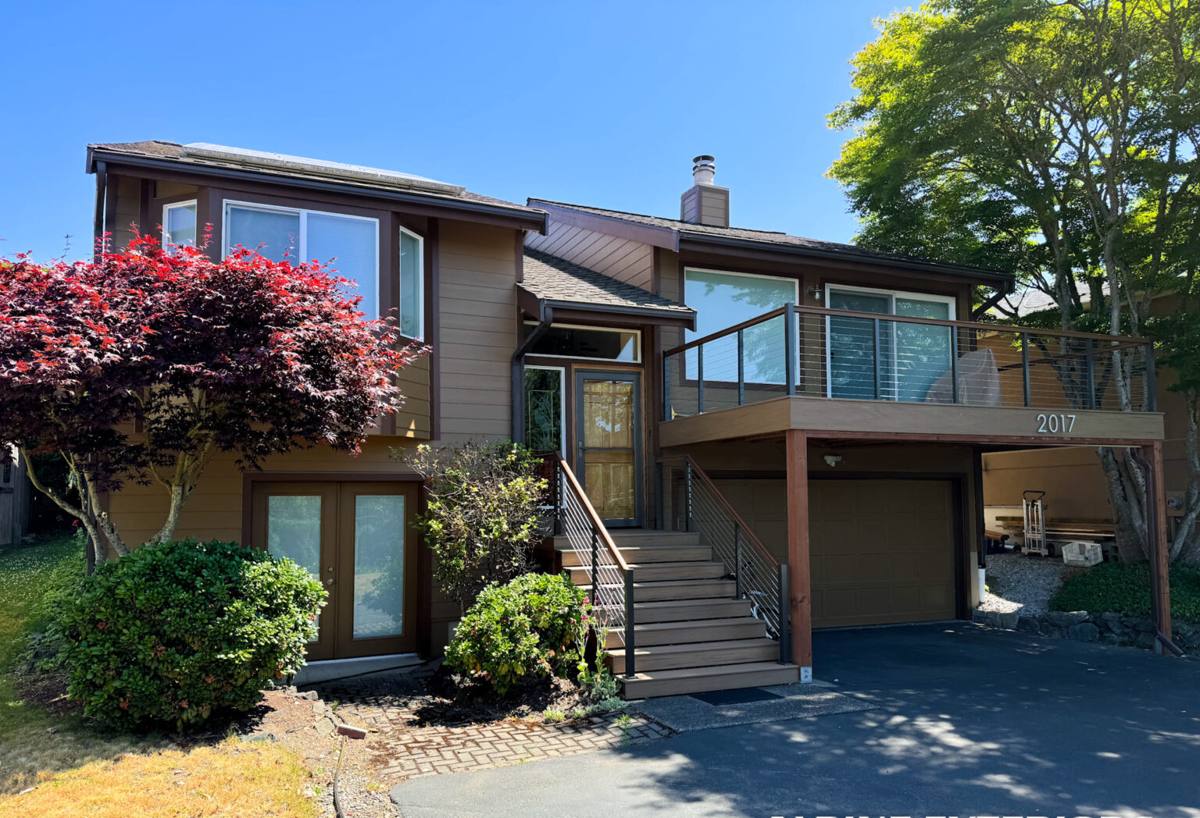
How Pasco County's Climate Wears Down a Roof
UV Exposure, Day In and Day Out
Central Florida gets sun exposure most of the country doesn't see. Asphalt shingles lose their oils and granules over time under that kind of heat load, and once a shingle goes brittle, it cracks instead of flexing when wind gets under it. That's usually where a "small" repair starts — a handful of cracked or curling shingles in the sections of the roof that face the most direct afternoon sun.
Wind-Driven Rain
Florida rain rarely falls straight down. During summer storms it comes in sideways, which means it can work its way up under shingle edges, around flashing, and into any gap that wouldn't be a problem in a calmer climate. Most of the leaks we trace back start at a flashing point — chimneys, vent stacks, wall-to-roof transitions — not in the open field of the roof.
Hurricane and Tropical Storm Winds
Even when a storm doesn't make direct landfall, Dade City gets outer bands with sustained wind and gusts strong enough to lift shingle tabs, especially on roofs where the sealant strips never bonded properly or have aged past their grip. A roof that looks fine from the ground can have a dozen lifted tabs after a windy weekend, and those become entry points for the next rain.
Salt Air's Reach Inland
Coastal Pasco County still gets salt-laden air carried inland on Gulf breezes, and while it's a lighter dose than a beachfront property gets, it accelerates corrosion on exposed metal fasteners, flashing, and drip edge over the years. On older roofs, that shows up as rust streaks or flashing that's thinned enough to leak even without any storm damage at all.
What a Correct Roof Repair Actually Involves
A lot of roof repair complaints we hear start with "the last guy just put some tar on it." Sealant and roofing cement have a place, but they're a stopgap, not a repair — they degrade in UV and don't address whatever let water in to begin with. A repair done right follows a sequence:
- Find the actual entry point. Water travels before it shows up as a stain, so the spot on your ceiling isn't always directly under the leak. We trace it back to the source before touching anything.
- Check the decking underneath. If water has been getting in for a while, the plywood decking around the leak may be soft or delaminating. Shingles alone can't fix a repair if the deck underneath them is compromised.
- Replace damaged materials to match. Cracked, missing, or granule-bare shingles get pulled and replaced with matching material, not just covered over.
- Rebuild flashing correctly. Flashing around chimneys, vents, and wall transitions gets re-formed or replaced with proper step flashing and counterflashing — not just re-caulked.
- Reseal and inspect the surrounding field. Adjacent shingles get checked for wind or UV damage that isn't as visible yet, so we're not back out in six months for the section right next door.
Signs a Dade City Roof Needs Repair
- Water stains on ceilings or interior walls, especially after a heavy summer storm
- Shingles that are cracked, curling at the edges, or visibly bald of granules
- Granules collecting in gutters or at the base of downspouts
- Missing or lifted shingle tabs after high wind
- Rust staining or visibly thinning flashing around chimneys and vents
- Soft spots when walking the roof, or sagging visible from the ground
- Daylight visible through the attic decking
- A noticeably higher cooling bill, which can mean attic ventilation or insulation is compromised by a slow leak
Our Roof Repair Process
1. On-Site Inspection
We start with a full inspection, not just a look at the spot you're worried about. That means checking the attic from the inside where accessible, walking the roof surface, and examining all flashing points — because in this climate, one visible leak often has a second problem developing nearby that hasn't announced itself yet.
2. Honest Scope and Estimate
We tell you plainly whether you're looking at a repair or whether the roof's overall condition means a repair is just delaying a full replacement. We'd rather lose a repair job than sell you one that won't hold, and we'd rather quote a straightforward fix than push a replacement you don't need yet.
3. The Repair Itself
Materials matched to your existing roof where possible, decking replaced if compromised, flashing rebuilt rather than caulked over, and a check of the surrounding area before we call it done.
4. Cleanup and Walkthrough
Old materials and debris removed, work area cleaned, and we walk you through exactly what was done and why.
Repair vs. Replacement: How to Tell Which You Need
| Factor | Points Toward Repair | Points Toward Replacement |
|---|---|---|
| Age of roof | Under 12-15 years | Nearing or past manufacturer's expected lifespan |
| Extent of damage | Isolated to one section or flashing point | Spread across multiple sections of the roof |
| Granule loss | Minimal, localized | Widespread, shingles visibly balding |
| Decking condition | Solid, no soft spots | Soft, delaminating, or rotted in multiple areas |
| Leak history | First occurrence or isolated cause | Repeated leaks in different spots over time |
| Storm damage | Limited to a few shingles or one flashing area | Widespread wind or impact damage across the roof |
Why It Matters That We Already Work in Dade City
A repair crew that already works this area knows the wind patterns that tend to lift shingles first, which flashing details tend to fail on the housing stock common around here, and what a realistic timeline looks like given local permitting and material availability. That local familiarity means fewer surprises mid-job and a scope that's based on what actually happens to roofs in Pasco County, not a one-size-fits-all national playbook.
It also means we're not disappearing after the invoice. If something about the repair doesn't sit right once you've lived with it through a storm or two, you're calling a crew that's still working in your neighborhood, not chasing down a company that did a drive-by job and left the county.
Maintenance That Extends a Repair's Lifespan
A repair holds up longer when the rest of the roof is looked after too. A few habits make a real difference in this climate:
- Keep gutters clear so wind-driven rain has somewhere to go instead of backing up under the roof edge
- Trim back overhanging branches that drop debris and hold moisture against shingles
- After any major storm, do a visual check from the ground for missing or lifted shingles
- Have the roof looked at every year or two, even with no visible problems, since UV damage builds gradually before it becomes a leak
What to Expect on Cost
Roof repair costs in this area vary widely depending on how much of the roof is affected, whether decking needs replacing, and how much flashing work is involved. A small, isolated repair is a modest expense; a repair involving multiple flashing points and decking replacement runs higher. We give a firm number after inspecting the roof in person — not a phone estimate — because guessing at scope from a description almost always misses something.
If you're dealing with a leak, storm damage, or just want a professional set of eyes on a roof that's showing its age, we're happy to take a look. The estimate is free, there's no pressure to book anything on the spot, and you'll get a straight answer about what the roof actually needs — use the form below to get started.