 Land O'Lakes Siding
 New-Construction Windows for Dade City Homes
When a home in Dade City is being framed from the ground up, or when an addition opens a new rough opening in an existing wall, the windows that go into that opening are not the same product or the same installation method as a replacement window. New-construction windows have a nailing fin (sometimes called a flange) that gets fastened directly to the framing and integrated with the house wrap or building paper before stucco, siding, or brick veneer goes on. Get that step right and the window becomes part of a continuous water-management system for the wall. Get it wrong and you've built a leak path into brand-new construction that won't show up until the first hard-driven rain finds it.
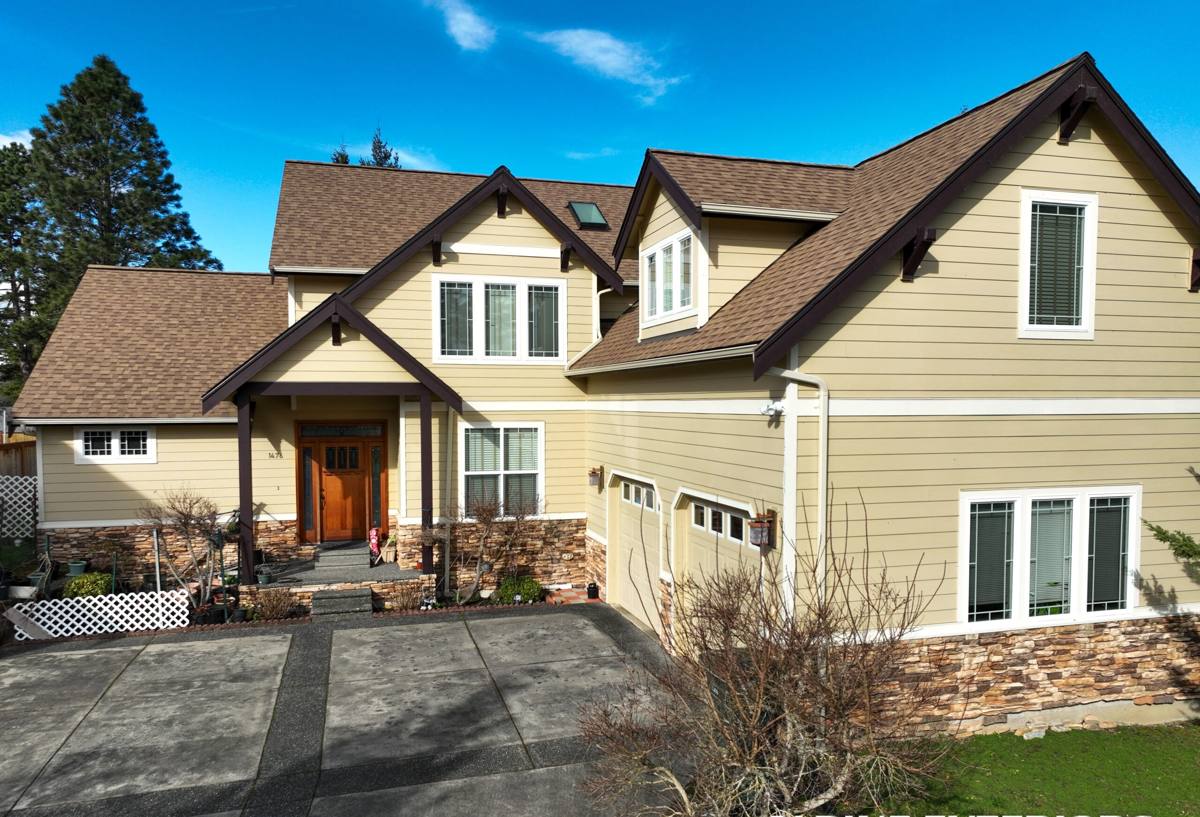
We install new-construction windows for builders, remodelers, and homeowners working on new homes and additions throughout Dade City and the surrounding Pasco County area. This page covers what that job actually involves, what the local climate demands from the products and the installation, and what to expect from our process.
Why New Construction Is a Different Job Than Replacement
Replacement (or "pocket") windows are designed to slide into an existing frame with minimal disruption to the surrounding wall finish. New-construction windows are the opposite — they're meant to be installed into an open, unfinished rough opening where the flashing, house wrap, and exterior cladding haven't been closed up yet. That gives us access to do the job the way it's supposed to be done: sill pan flashing, properly lapped weather-resistive barrier, correctly sequenced fastening, and sealant placed where it actually does something instead of being smeared on as a last resort.
On a new build or an addition, this work has to be coordinated with the framer, the stucco or siding crew, and sometimes the roofer, since window flashing ties into the same water-shedding sequence as the rest of the building envelope. Timing matters. A window installed before the wall is ready, or one that gets closed in by siding before it's properly flashed and inspected, creates problems that are expensive to trace later.
What Dade City's Climate Asks of a New Window Opening
Pasco County sits in west-central Florida, and Dade City's weather isn't gentle on a building envelope. A few things we design and build around on every job:
- Hurricane-force wind events. Every few years, this part of Florida sees sustained tropical-storm or hurricane-force wind, which puts real structural load on window frames, anchoring, and glazing.
- Wind-driven rain. Florida storms rarely fall straight down. Rain gets pushed sideways into wall assemblies at pressure, which is why flashing detail around the opening matters more here than in drier climates.
- Intense, year-round UV. Central Florida sun is hard on vinyl, sealants, and low-quality glazing seals. Materials that aren't UV-stabilized degrade faster here than in most of the country.
- Humidity and, during storm events, salt-laden air moving inland off the Gulf. Dade City is well inland, so this is a smaller factor than it is on the coast, but hardware and fasteners still benefit from corrosion-resistant specs, especially on a home meant to last decades.
None of this means a new-construction window in Dade City needs to be over-built for a threat that doesn't exist here. It means the flashing, the fastening schedule, and the product's wind and water rating all need to match what this specific climate actually throws at a house.
Florida Building Code and What It Means for a New Opening
Pasco County is outside Florida's High-Velocity Hurricane Zone (that designation applies to Miami-Dade and Broward counties), but every new window installed here still has to meet Florida Building Code wind-load requirements, and every unit needs a valid Florida product approval or Miami-Dade NOA number appropriate to the wind pressures on that specific wall.
Because Dade City sits well inland from the coast, most homes here fall outside the state's mandatory windborne-debris ("impact glass") region — that requirement tightens up closer to the water. That means many Dade City builds have a real choice between impact-rated glass and non-impact windows paired with code-compliant shutter protection. It's a decision worth making deliberately, based on the home's exposure, the budget, and how the homeowner wants to handle storm prep, not by defaulting to whichever option is cheapest at the supply house.
Whatever product goes in, the rough opening has to be sized, flashed, and fastened to match the wind pressure rating and installation instructions on that unit's product approval. Installing a correctly rated window with the wrong fastening schedule or missing flashing steps means the wall no longer performs the way the approval assumes it will.
Choosing Between Impact and Non-Impact Windows
| Factor | Impact-Rated Windows | Non-Impact + Shutters |
|---|---|---|
| Upfront cost | Higher per opening | Lower window cost, added shutter cost |
| Storm prep effort | None — glass stays protected year-round | Shutters must be deployed before each storm |
| Daily UV/noise performance | Often better due to laminated glass | Standard, varies by glass package |
| Insurance premium impact | Can reduce wind-mitigation premiums | Shutters can also qualify for credits if code-compliant |
| Best fit | Full-time residences, rental/vacation homes, low-maintenance goals | Budget-conscious builds where owner will manage shutters |
What a Correct New-Construction Window Installation Involves
The window unit itself is only part of the job. What actually determines whether an opening stays dry for the next 20 years is the sequence of steps around it:
- Rough opening checked for square, level, and correct sizing before the window ever arrives on site.
- Sill pan flashing installed at the bottom of the opening to catch and direct out any water that gets past the window, rather than letting it sit on framing.
- House wrap or building paper cut and prepped so it laps correctly with the window flange — water has to shed down and out, never get trapped behind the flange.
- Window set, leveled, and shimmed so the frame isn't under stress that could bind hardware or crack a corner seal.
- Nailing fin fastened per the manufacturer's and product approval's exact schedule — spacing and fastener type aren't optional details.
- Side and head flashing integrated over the fin, sealant applied at the specified locations (not everywhere — over-sealing can trap water as easily as under-sealing lets it in).
- Opening inspected before stucco, siding, or brick veneer closes it in, since this is the last point where a flashing mistake is easy to fix.
Skipping or rushing any one of these steps is how a brand-new home ends up with a moisture problem inside a wall that looks perfect from the outside for years before it's discovered.
Checklist: What to Ask Before Windows Go Into a New Opening
- Does each window have a Florida product approval or Miami-Dade NOA matching the wind pressure required for that wall's location and height?
- Is sill pan flashing included in the install, not just wrapped paper?
- Will the installer follow the manufacturer's published fastening schedule, or a generic one?
- Is there a plan for inspection before the opening is closed in with siding or stucco?
- Are impact vs. non-impact glazing and shutter options being discussed as a real trade-off, not assumed?
Our Process on New-Construction and Addition Projects
We work directly with builders and homeowners, and we coordinate on schedule so windows go in at the right point in the build sequence — not too early, not after the wall has already been closed up around a rough opening. Our process:
1. Plan Review and Product Selection
We review the plans or the existing rough openings, talk through impact versus non-impact glazing, frame material, and confirm every unit's product approval matches the wind pressures for that elevation and height on the home.
2. Scheduling Around Your Other Trades
New-construction window installs have to land between framing/dry-in and the exterior finish trades. We coordinate directly with the general contractor or homeowner so nobody's waiting on us, and we're not waiting on a wall that isn't ready.
3. Installation Following Manufacturer and Code Specs
Sill pan, flashing sequence, fastening schedule, and sealant placement follow the product's approved installation instructions — the same instructions that back the wind and water rating the unit is certified for.
4. Walkthrough Before Close-In
Before siding or stucco covers the openings, we walk the job so any flashing detail can still be corrected easily, rather than after the wall is finished.
Cost Factors for New-Construction Windows in Dade City
| Factor | How It Affects Cost |
|---|---|
| Impact vs. non-impact glass | Impact-rated units cost more per opening but remove the need for shutters |
| Frame material | Vinyl is typically the most economical; aluminum and fiberglass cost more but suit certain architectural styles |
| Number and size of openings | Larger openings and specialty shapes (arches, large picture windows) add cost per unit |
| Wind pressure rating required | Higher-rated products for more exposed elevations cost more than standard-rated units |
| Site coordination complexity | Tight scheduling with other trades on a new build is more efficient than piecemeal, uncoordinated access |
Every build is different, and giving a firm number before we've seen the plans or the openings wouldn't be honest. We'll walk through actual options and a real range once we know the scope.
Why a Crew That Already Works Dade City Matters
New-construction window work depends on getting the sequencing right with framers, stucco crews, and inspectors — and that goes smoother when the installer already understands how permitting and inspections tend to move through Pasco County, and has already dealt with the wind-load and product-approval expectations that apply to this area. A crew unfamiliar with the local process is more likely to schedule around guesswork, and guesswork on a flashing detail is exactly what turns into a callback a year or two down the road.
We work in Dade City and the surrounding Land O'Lakes area regularly, which means we're not learning the local permitting rhythm or climate demands on your project — we already know them going in.
Let's Talk About Your Project
Whether you're a builder finishing out a new home in Dade City or a homeowner adding a room that needs new openings framed and glazed, we're glad to look at the plans and talk through the right window and installation approach for your situation. Reach out for a free, no-pressure estimate — there's a form below to get started.