 Land O'Lakes Siding
 Deck Repair Built for Concord Station's Climate
A deck in Concord Station lives outside every day of the year, and Land O'Lakes doesn't go easy on it. Between the intense year-round UV exposure, the wind-driven rain that comes through during our summer storm season, and the occasional hurricane-force wind event, a deck here ages differently than one in a milder climate. Add in Pasco County's humidity, which keeps wood and hardware damp for hours after every rain, and you have a structure that needs to be inspected and maintained more often than most homeowners expect.
We work on decks throughout Concord Station and the surrounding Land O'Lakes area, and the repair calls we get tend to follow a pattern tied directly to this climate. Knowing that pattern is what separates a repair that actually holds up from one that fails again in a year or two.
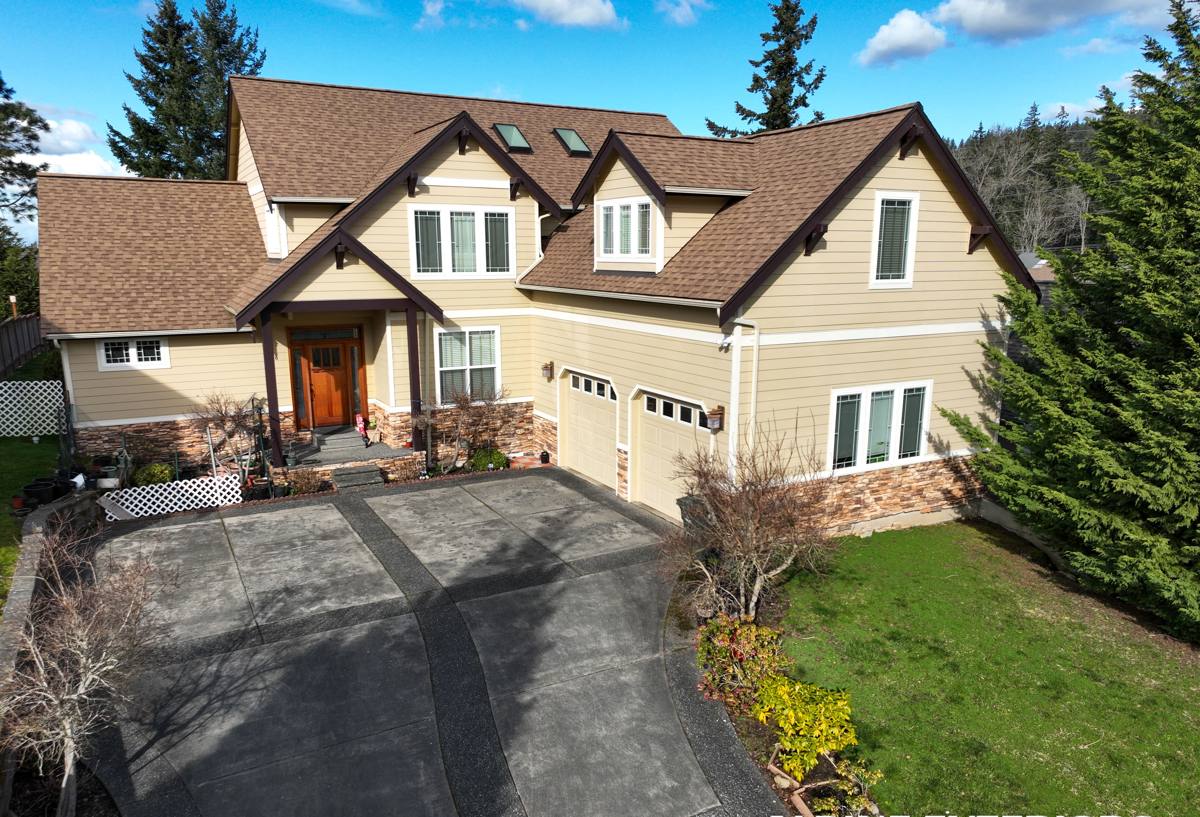
What Land O'Lakes Weather Actually Does to a Deck
UV and Heat
Florida sun is relentless on exposed wood and composite decking. UV breaks down the lignin in wood fibers, which is why untreated or under-maintained boards go gray, rough, and splintery. On composite boards, sustained heat and UV exposure can accelerate fading and, on lower-quality products, surface degradation over time.
Wind-Driven Rain and Humidity
Afternoon storms don't just wet the surface of a deck — wind-driven rain gets pushed into joints, under railings, and around fasteners at angles a simple downpour wouldn't reach. Combined with Pasco County's humidity, moisture lingers in framing connections and end grain far longer than homeowners realize, which is where rot gets started.
Wind Load
Hurricane-force winds put real lateral and uplift stress on a deck structure — especially at railings, stair connections, and ledger board attachments. A deck that was built to minimum code decades ago may not have the fastening and blocking a modern inspection would want to see.
Ground Contact and Soil Moisture
Post bases and footings that sit in consistently damp soil are prone to accelerated decay at the point where wood meets ground or concrete, even when the rest of the structure looks fine from above.
Common Deck Problems We See in Concord Station
Most of the repair calls we handle in this neighborhood fall into a short list of recurring issues:
- Ledger board separation or rot — where the deck attaches to the house, moisture can get trapped behind flashing that's missing, damaged, or was never installed correctly.
- Soft or spongy boards — usually a sign of trapped moisture and early-stage rot, most common on boards that sit flat against joists with no drainage gap.
- Loose or wobbly railings and stairs — repeated wind load and normal use loosen fasteners over time, and this is also the most common safety issue we find.
- Corroded fasteners and hardware — humidity and rain speed up corrosion on screws, joist hangers, and post brackets, especially if the wrong fastener type was used for the lumber.
- Cupping, splitting, or checking boards — a direct result of repeated wet-dry cycling from sun and rain.
- Post and footing decay — deterioration at ground contact points that's easy to miss without getting underneath the structure.
Repair or Replace? How We Make the Call
Not every deck problem means a full rebuild, and we don't sell full rebuilds when a repair will do the job correctly. The decision usually comes down to how much of the structure — versus the surface — is affected.
| Situation | Typical Approach | Why |
|---|---|---|
| A few soft or damaged boards, structure sound | Board-level repair/replacement | Framing is intact; only the wearing surface needs attention |
| Loose railings or stair stringers | Reinforce or rebuild that section | Localized fix addresses the safety issue without touching the whole deck |
| Rot at the ledger board | Ledger repair with proper flashing correction | Fixes the moisture source, not just the symptom |
| Widespread rot in joists or beams | Partial or full structural rebuild | Repairing around failed framing isn't safe or cost-effective |
| Deck older than 20-25 years with multiple issues | Full assessment, often replacement | Cumulative wear plus outdated fastening usually outweighs repair value |
We'll always tell you honestly which category your deck falls into, including when a repair is the right call even if a replacement would be a bigger job for us. If a rebuild really is the better long-term value, we'll explain why in plain terms — not push it as an upsell.
Our Deck Repair Process
1. Full Structural Inspection
We start underneath the deck, not just on top of it. That means checking ledger board attachment and flashing, post and footing condition, joist spacing and condition, and fastener corrosion — the things that actually determine safety and lifespan.
2. Honest Scope and Estimate
You get a clear breakdown of what's failing, what's still sound, and what it will take to fix it correctly. No guesswork pricing and no scope creep once work starts unless we find something during demo that changes the picture — and if that happens, we stop and tell you before continuing.
3. Correct the Root Cause, Not Just the Symptom
A rotted ledger board that gets replaced without fixing the flashing behind it will rot again. Our repairs address why the failure happened, whether that's missing flashing, undersized fasteners, poor drainage, or a ground-contact post that was never properly protected.
4. Rebuild to Current Fastening Standards
Where we're replacing structural components, we use fastening and hardware appropriate for coastal-influenced, high-humidity conditions — not just whatever matches what was there before, if what was there before was part of the problem.
5. Final Walkthrough
We go over what was repaired, what to watch for, and basic upkeep specific to the materials on your deck before we consider the job done.
Materials We Use for Repair Work
What we recommend depends on what's already on your deck and what you want going forward. Mixing materials during a repair is sometimes the right call — for example, keeping a pressure-treated wood frame while upgrading the walking surface to composite.
| Material | Repair Considerations | Best Fit |
|---|---|---|
| Pressure-treated lumber | Lower material cost, but requires regular sealing/staining to handle Florida sun and rain cycles | Matching existing wood framing, budget-conscious board replacement |
| Composite decking | Higher upfront cost, minimal maintenance, but installation quality matters — poor fastening or ventilation causes problems regardless of the brand | Homeowners replacing worn wood boards who want to reduce future maintenance |
| Structural hardware/fasteners | We prioritize corrosion-resistant, code-rated hardware over standard fasteners given local humidity | Any structural repair — ledger, joists, posts, railings |
We don't push a single material as the answer for every deck. The right choice depends on your budget, how long you plan to stay in the home, and how much ongoing maintenance you're willing to do.
Permits and Pasco County Requirements
Structural deck repairs — especially anything involving framing, footings, railings, or stairs — typically require a permit in Pasco County. Cosmetic board replacement on an otherwise sound structure may not, but the line between "cosmetic" and "structural" isn't always obvious from the surface. Part of what a proper inspection tells us is which category your repair falls into, and we handle the permitting process when it's required so the work is documented and inspected correctly rather than left as an unpermitted gray area that can complicate a future home sale.
Why a Local Concord Station Crew Matters
Deck problems in this neighborhood tend to share common threads — similar construction eras, similar exposure patterns, similar drainage and soil conditions. A crew that regularly works in Concord Station and the wider Land O'Lakes area recognizes those patterns quickly instead of treating every job as a blank slate. That means faster, more accurate diagnosis, fewer surprises once work starts, and repair decisions grounded in what actually holds up under this area's sun, rain, and wind — not generic advice pulled from a different climate.
Being local also means we're accountable after the job is done. If something isn't right, we're not a crew that drove in from out of the area and disappeared — we're available to come back and make it right.
Keeping Your Deck in Good Shape After Repair
A repair holds up longer when it's paired with basic seasonal upkeep. A few habits go a long way in this climate:
- Rinse off pollen, leaf debris, and grime a few times a year so it doesn't trap moisture against boards
- Check railings and stair connections for looseness after major storms
- Reseal or restain wood decking on the manufacturer-recommended schedule — Florida sun shortens the usable life of most sealants
- Keep gutters and downspouts directing water away from the deck and its footings
- Look underneath the deck once or twice a year for early signs of moisture, corrosion, or soft wood
- Trim back landscaping that keeps the underside of the deck shaded and damp longer than it should be
Get a Straight Answer About Your Deck
If your Concord Station deck has soft spots, loose railings, rot near the house, or you're simply not sure whether it needs a repair or a rebuild, we're glad to take a look. We'll give you an honest assessment and a clear estimate — no pressure, no upselling — so you can make the call with real information. Fill out the form below to schedule a free estimate.