 Land O'Lakes Siding
 Board & Batten Siding for Concord Station Homes
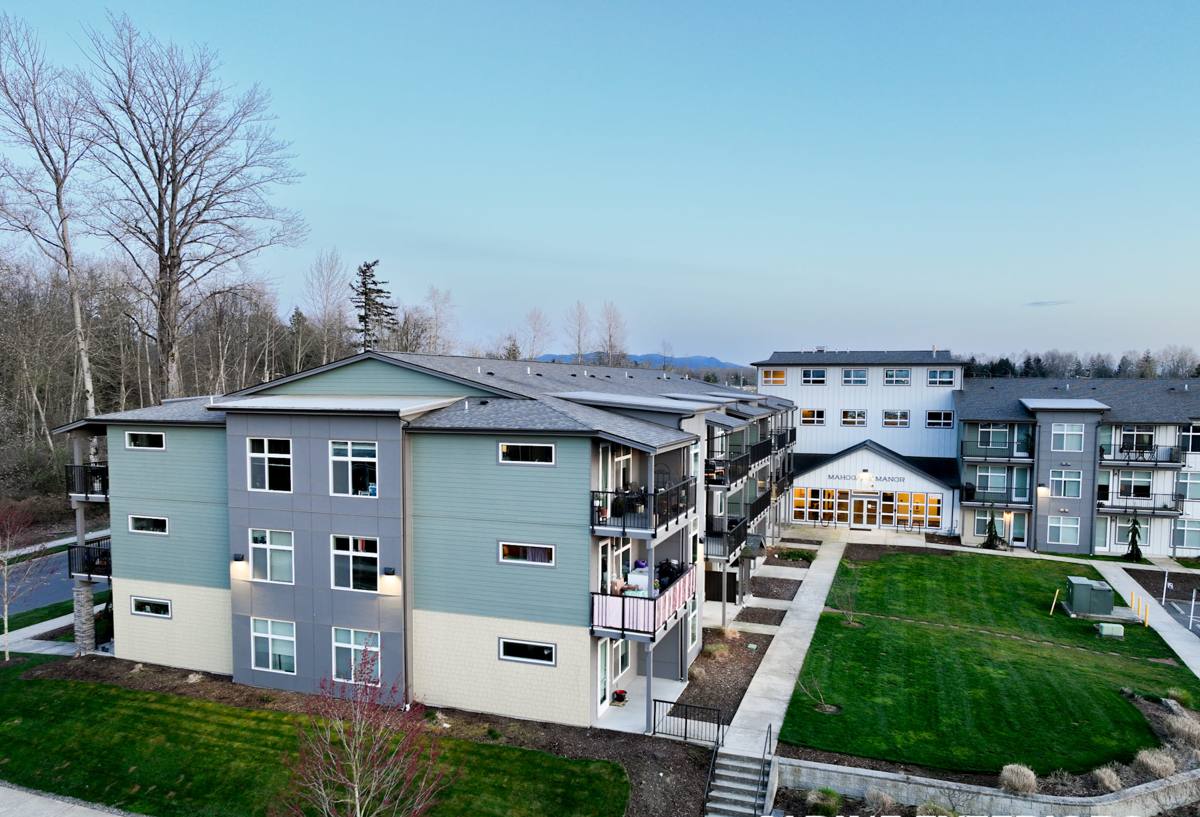
Concord Station is one of the larger established communities in Land O'Lakes, and it's got a lot of homes built in that late-2000s to mid-2010s stretch when vertical board and batten accents became a go-to way to break up long stretches of stucco or lap siding on gables, entry facades, and second-story fronts. It's a clean, architectural look, and it holds up well to scrutiny from an HOA design standpoint. The problem is that a lot of board and batten installed in Pasco County during that build boom was done with whatever trim material was cheapest at the time — often finger-jointed pine, primed MDF, or thin engineered wood panel — and none of that holds up long-term against what West Central Florida throws at a house.
This page is specifically about board and batten siding as it applies to homes in and around Concord Station: what the local climate does to it, what a correctly installed system looks like, and why we install it exactly one way — James Hardie fiber cement — instead of the mix of products you'll see quoted around the neighborhood.
What Concord Station's Climate Actually Does to Vertical Siding
Land O'Lakes sits in a part of Pasco County that gets the full range of what Central Florida weather can produce over a year, and board and batten siding is more exposed to most of it than standard horizontal lap siding because of how it's built and where it typically goes on a house.
Wind Load on Vertical Panels
During hurricane season, sustained tropical-storm-force wind and gusts well beyond that put direct lateral pressure on vertical siding panels, and board and batten is only as strong as its fastening pattern and the substrate behind it. Battens that are face-nailed into thin sheathing, or panels hung with too few fasteners spaced too far apart, are the first thing to start working loose after a couple of storm seasons — even if nothing looks wrong from the ground.
UV and Heat Cycling
Board and batten is often used on south- and west-facing gables and entry features — exactly the elevations that take the most direct sun in Pasco County for most of the day. Non-factory-finished trim (site-primed pine, MDF, raw engineered wood) starts to chalk, fade, and check within a few years under that kind of UV load, and the vertical battens show it faster than flat wall siding because of the shadow lines.
Wind-Driven Rain and Moisture
Every seam, joint, and batten reveal is a place water can find its way in during a wind-driven downpour. Vertical siding has more seams per square foot than lap siding, which means moisture management — proper flashing, weather-resistant barrier, and correctly lapped joints — matters more here, not less.
Salt Air, Even Inland
Concord Station isn't waterfront, but Land O'Lakes still sits within the reach of Gulf breezes that carry a low level of salt-laden moisture across inland Pasco County, especially during onshore wind events. It's a slower, quieter form of wear than what coastal homes deal with, but combined with humidity and heat cycling it still accelerates the breakdown of fasteners, caulk joints, and any siding material that isn't dimensionally stable.
What a Correct Board & Batten Job Involves
Board and batten looks simple — vertical boards with a batten strip covering each seam — but the parts you can't see are what determine whether it's still straight, sealed, and solid in ten years or curling and cracking in three.
- A continuous weather-resistant barrier behind the panels, lapped correctly at every seam and penetration
- Proper flashing at the top of the run, around any windows or trim, and anywhere the siding meets a roofline
- Fastener spacing and type matched to the wind zone the home is actually built in, not a generic pattern
- A gap left at the bottom for drainage so trapped moisture has somewhere to go
- Battens fastened independently where required, not just face-nailed through the panel below
- Factory-applied finish on every board, so field-cut edges get sealant rather than site-applied paint that will fail first
Skipping any one of these doesn't usually show up on day one. It shows up two or three summers later, after the panels have gone through repeated UV and moisture cycles, and by then the fix is a lot more than a caulk touch-up.
Why We Only Install James Hardie Board & Batten
We get asked to quote against LP SmartSide, primed pine, cedar, and vinyl board and batten regularly around Concord Station, and we understand why homeowners compare — those products are often quoted cheaper up front. But we made the decision years ago to install James Hardie fiber cement exclusively, and board and batten is actually one of the clearer cases for why.
The Material Itself
James Hardie board and batten panels are fiber cement — a mix of cement, sand, and cellulose fiber — engineered specifically for high-heat, high-humidity climates through Hardie's HZ10 product line, which is what Florida installations use. It doesn't absorb water the way wood-based products do, it doesn't attract termites or wood-boring insects, and it's non-combustible, which matters on a material used near roof gables and eaves.
ColorPlus Factory Finish
Every panel comes with Hardie's ColorPlus finish baked on at the factory under controlled conditions, not brushed on at the jobsite. That finish is engineered to resist the fading and chalking that direct Florida UV causes to site-primed trim, and it comes backed by its own finish warranty separate from the product warranty. On vertical siding that sits in full sun on a gable end, that difference shows up fast.
Dimensional Stability
Fiber cement doesn't expand, contract, warp, or cup the way wood and some engineered wood products do as humidity swings between a wet Florida summer and a dry winter. Board and batten depends on straight, tight reveals to look right — once a panel starts to bow or a batten starts to twist, it's visible from the street, and it's a repair, not a touch-up.
Warranty That Transfers
James Hardie backs its siding with a strong, transferable limited warranty when installed to their specifications — something that matters to Concord Station homeowners who may sell within the time they own the house, since a transferable warranty is a real selling point buyers ask about.
Board & Batten Material Comparison
| Material | Moisture Behavior | UV/Fade Resistance | Wind Performance | Typical Longevity |
|---|---|---|---|---|
| James Hardie Fiber Cement | Does not absorb/swell; engineered for humid climates | Factory ColorPlus finish resists chalking/fading | Strong when installed to Hardie/local code spec | Decades with correct install and basic upkeep |
| Primed Pine / MDF Trim | Absorbs moisture at cut edges and joints | Site-applied paint fades and chalks faster | Prone to loosening/splitting under repeated gusts | Often needs repainting/replacement within several years |
| Engineered Wood (LP-type) | Resin-treated but still wood-based; edge sealing critical | Factory finish available, moderate durability | Generally solid if fasteners/flashing done correctly | Good, but maintenance-dependent long term |
| Vinyl Board & Batten | Doesn't absorb water but can trap moisture behind panels | Can fade and become brittle under sustained heat/UV | Can deform, crack, or blow off in high sustained wind | Variable; heat and impact resistance are the weak points |
We're not going to pretend every alternative is a bad product across the board — some perform reasonably well when installed carefully and maintained on schedule. But when we weigh moisture behavior, UV resistance, and wind performance together for a Land O'Lakes exterior, fiber cement is the one we're willing to put our name behind.
Our Process for Concord Station Board & Batten Projects
1. On-Site Assessment
We look at the existing siding or trim condition, check the substrate and sheathing behind it where accessible, and identify any moisture damage that needs to be addressed before new siding goes up — installing over a compromised wall assembly just locks the problem in.
2. Design and Layout
Board and batten reveal width and spacing affects how a home reads from the street, and we work out layout to look intentional on the specific elevations being covered, keeping proportions consistent with the rest of the home.
3. Moisture Barrier and Flashing First
Before a single panel goes up, the weather-resistant barrier and flashing details get installed and inspected. This is the step that determines how the wall performs during the next tropical system, and it's the step that's invisible once the job looks "done."
4. Panel and Batten Installation
Panels and battens go up with fastening patterns matched to the wind zone the home sits in, with attention to proper gaps, sealant at cut edges, and clean, straight batten lines.
5. Final Inspection and Walkthrough
We walk the finished elevations with the homeowner, check reveals and caulk lines up close, and go over basic care so the siding performs the way it's designed to for the long haul.
Why Local Experience in Concord Station Specifically Matters
A crew that's worked in Concord Station and the surrounding Land O'Lakes neighborhoods already understands the kind of architectural review and exterior guidelines that come with these HOA-governed communities — color approvals, trim proportions, and what's expected to keep a project moving instead of getting held up in review. That's a real, practical advantage over a crew pricing the job from a photo with no familiarity with how these communities operate.
Local experience also means we've already seen how homes in this specific part of Pasco County age — which elevations take the worst sun, which corners of a lot catch the most wind-driven rain, and where the older, lower-grade trim installed during the original build tends to fail first. That's knowledge that shapes a better installation, not just a faster quote.
Maintenance: What Board & Batten Actually Needs
- Rinse the siding a couple of times a year to clear pollen, dust, and salt residue carried in on Gulf breezes
- Walk the exterior after major storms and check for any loosened battens, cracked caulk joints, or panel movement
- Keep an eye on caulk lines at trim and window transitions — reseal promptly if you see gaps forming
- Trim back landscaping so vegetation isn't holding moisture against the siding
- Have a professional check flashing and fastener condition every few years, especially after active hurricane seasons
That's meaningfully less upkeep than wood-based trim products need, since there's no repainting cycle to stay ahead of — just basic seasonal attention.
Get a Straight Answer for Your Home
If you've got board and batten trim in Concord Station that's starting to show its age, or you're planning a full siding project and want it done with a material built for what this climate actually does to a house, we're glad to come take a look. There's no pressure and no obligation — just a straightforward assessment and an honest estimate for James Hardie board and batten done right the first time. Use the form below to get started.