 Land O'Lakes Siding
 Siding Installation in Citrus Park: Built for a Demanding Climate
Citrus Park sits in the fast-growing corridor between Tampa and Land O'Lakes, a mix of established subdivisions from the 1990s and 2000s alongside newer construction, all sharing the same exposure to what west-central Florida's weather does to an exterior wall year-round. Hurricane-force winds, intense and nearly constant UV, wind-driven rain, and salt-laden air moving in off Tampa Bay don't treat every siding product the same way. Some hold up under that combination for decades. Others start showing problems within a handful of storm seasons, especially when the installation cut corners that don't show up until the first real test.
We install James Hardie fiber cement siding exclusively for homes in Citrus Park and across our Land O'Lakes service area. That's a deliberate professional standard, not a default supplier choice, and it comes out of watching which materials actually perform in this specific climate and which ones quietly shift maintenance burden onto the homeowner a few years down the road.
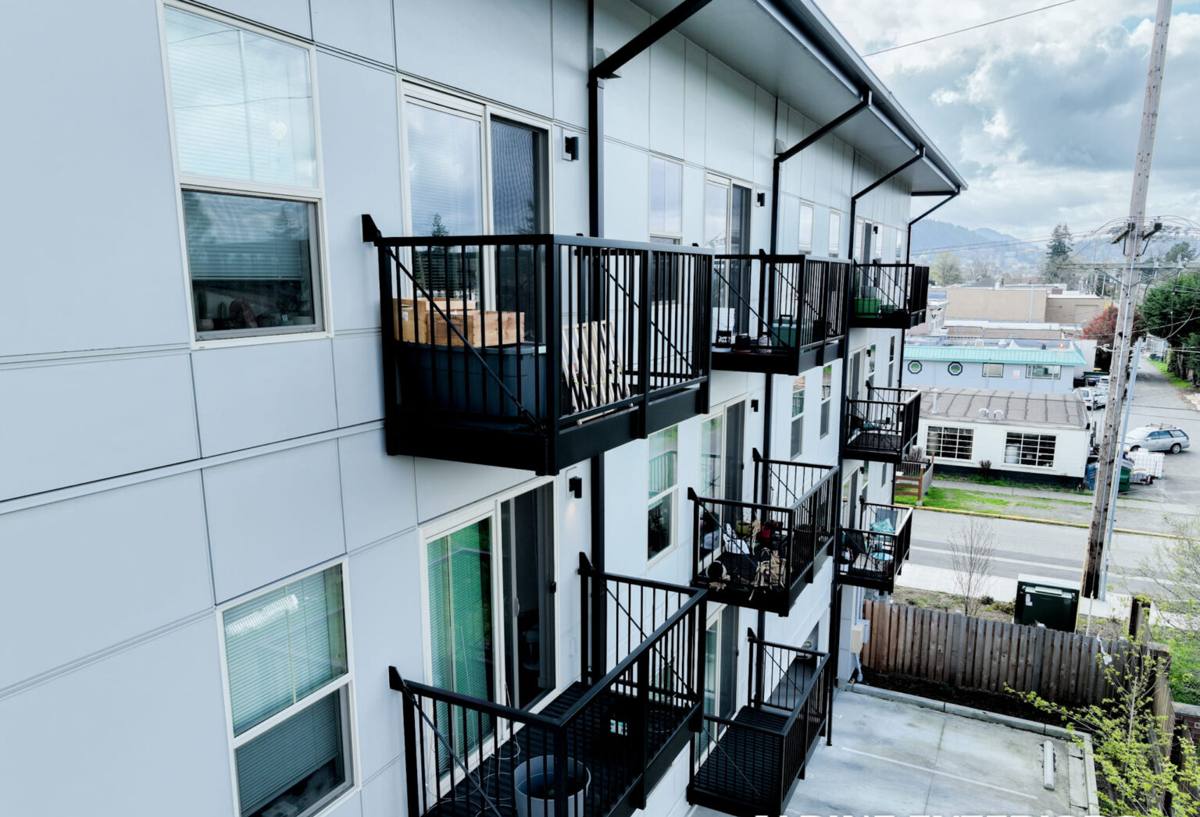
What Citrus Park's Climate Does to Siding
Hurricane-Force Wind Loads
A siding system in this part of Florida has to survive more than steady breezes. Sustained hurricane-force winds put real mechanical load on every panel, fastener, and joint, and a system that isn't rated and installed for those forces can lift, crack, or tear loose exactly when a home needs it most. Wind performance isn't just about the material itself — it's about whether the fastening pattern, panel overlap, and edge detailing were done to spec for wind exposure, not just for a calm afternoon.
Wind-Driven Rain
Rain in a hurricane or a strong afternoon storm rarely falls straight down. It gets pushed sideways into laps, seams, and trim lines that a lot of siding details were never built to handle. Citrus Park homes see this both in routine summer thunderstorms that roll through most afternoons and in the more sustained, sideways-driving rain that comes with tropical systems. Where flashing is missing or undersized, or where joints weren't sealed correctly, this is where water finds a way in.
Intense, Year-Round UV
Florida sun is a constant load on exterior materials, not a seasonal one. Field-applied paint finishes chalk, fade, and become brittle faster here than in most of the country, and that breakdown accelerates every other failure mode — cracked caulk lets water in, faded color makes a home look tired years before it should. A finish that's baked on at the factory under controlled conditions holds its integrity against that UV load far longer than something painted on-site.
Salt Air and Humidity
Citrus Park isn't waterfront, but it's close enough to Tampa Bay and the Gulf that salt-laden air still reaches homes here, especially in the flow patterns that follow storms. Salt accelerates corrosion in fasteners, flashing, and trim hardware, and combined with the region's high year-round humidity, it creates conditions where lower-grade materials and hardware age faster than their spec sheets suggest. Choosing corrosion-resistant fasteners and moisture-tolerant materials isn't optional in this climate — it's the difference between a wall that lasts and one that doesn't.
Why We Only Install James Hardie Siding
We used to offer a broader range of siding products. We narrowed to one system because what we kept seeing on tear-offs and repair calls in this exact climate made the decision for us.
- Non-combustible core: Fiber cement doesn't feed a fire the way wood-based siding products can, which matters for household safety and can matter for insurance underwriting as well.
- Factory-applied ColorPlus finish: The color is cured onto the board at the factory rather than brushed on in the field, so it resists the fading and chalking that intense Florida UV causes in site-applied paint.
- Climate-engineered HZ10 formulation: Hardie's HZ10 product line is engineered specifically for hot, humid, high-moisture climates like ours, rather than being a one-size-fits-all national product.
- Dimensional stability: Fiber cement doesn't swell, cup, or warp the way engineered wood siding can after repeated humidity and wet-dry cycling.
- Strong transferable warranty: Hardie backs its products with a solid, transferable warranty structure, provided the installation follows manufacturer spec.
We don't install LP SmartSide, vinyl siding, Cemplank, Allura, primed spruce, or cedar. Each has a place in the market, and plenty of homeowners are satisfied with them elsewhere. But in a climate that combines hurricane wind loads, constant UV, wind-driven rain, and salt air, we made a professional call that standing fully behind one proven system is worth more than offering a cheaper alternative that trades short-term savings for long-term maintenance.
What a Correct Installation Involves in Citrus Park
Material choice only accounts for part of how siding performs here. Correct fastening patterns rated for local wind exposure, proper clearance from grade and roof lines, correctly lapped and sealed joints, and a house wrap and flashing system that actually works together are what separate siding that survives a decade of Florida storms from siding that fails at the first one. Florida also requires siding installations to meet wind-resistance standards under the state's building code, and James Hardie products carry Florida product approval for that reason — but the approval only means something if the crew installs to the tested assembly, not a shortcut version of it.
Repair vs. Full Replacement
Not every siding problem in Citrus Park calls for a full tear-off. Isolated storm damage or a section of trim that's failed around a window can often be repaired and matched into existing Hardie siding. But when moisture has been tracking behind the wall for a while, or the existing siding is an older material past its useful life, patching it usually just postpones a bigger job. We'll tell you honestly which situation you're in.
Our Installation Process
- On-site inspection: We walk the exterior, check for existing moisture damage, and assess wind exposure and substrate condition before quoting anything.
- Tear-off and substrate check: Old siding comes off and we inspect the sheathing underneath for rot or hidden water damage, repairing anything compromised before new material goes on.
- Water-resistive barrier and flashing: A proper house wrap and flashing system goes in first, since this layer does the real work of managing whatever water gets past the siding surface.
- Hardie installation to spec: Panels go up using wind-rated fastening patterns, correct clearances, and properly lapped joints, following the manufacturer's tested assembly rather than a generic approach.
- Trim, caulk, and finish details: Trim is fitted and sealed at every penetration and joint, since these details are where most premature failures start.
- Final walkthrough: We review the finished work with you before calling the job complete.
Siding Cost Factors in Citrus Park
| Factor | What It Affects | Why It Matters Here |
|---|---|---|
| Home size and wall complexity | Total material and labor | More trim, dormers, and corners mean more joints exposed to wind-driven rain |
| Tear-off vs. overlay | Labor scope and substrate access | Tear-off reveals hidden moisture damage common under aging siding in humid climates |
| Substrate condition | Repair costs before new siding goes on | Years of trapped humidity behind failing siding can rot sheathing and framing |
| Wind-rated fastening requirements | Labor time and fastener specification | Correct fastening for hurricane-force wind exposure isn't optional here |
| Trim and color selection | Material cost and finish longevity | Factory ColorPlus finishes resist Florida's intense UV far better than field-applied paint |
| Site access | Labor time and equipment needs | Lot size, landscaping, and setback can add setup and staging time |
Exact numbers depend on the specific home, which is why we walk the property in person before giving a real estimate rather than quoting off a generic price sheet.
Signs Your Citrus Park Home May Need Siding Work
- Peeling, bubbling, or chalking paint on siding boards
- Soft or spongy siding, especially low on the wall or around window and door trim
- Cracked, chipped, or missing sections after storms or heavy wind events
- Visible gaps at seams, corners, or trim joints where wind-driven rain can track in
- Warping, cupping, or boards that no longer sit flat against the wall
- Rising cooling bills that may point to a wall assembly no longer sealing properly
Roofing, Windows, and Decks Alongside Your Siding
Siding rarely fails on its own. A leaking roof valley, a poorly flashed window, or moisture trapped by a deck ledger board can all show up as siding damage even when the siding itself isn't the actual source. Because we handle roofing, windows, and decks in addition to siding, we can evaluate a Citrus Park home as one connected exterior system instead of diagnosing a wall in isolation and missing where the water is really getting in.
Why a Local Crew Matters
A crew that installs siding across the Land O'Lakes and greater Tampa Bay area on a regular basis sees firsthand how hurricane wind, UV, wind-driven rain, and salt air behave on real homes over full storm seasons, not just how a product performs on a spec sheet. That experience shapes practical decisions on install day: where extra flashing attention matters most, which wall orientations take the worst sun exposure, and which details are worth the extra time so a homeowner isn't dealing with a callback after the next named storm. Citrus Park's mix of older and newer construction means those decisions aren't identical from house to house, and a crew with local, hands-on experience accounts for that instead of applying a one-size-fits-all install.
Get a Free, No-Pressure Estimate
If your Citrus Park home needs new siding, storm repair, or an honest second opinion on what's really going on behind an aging wall, we're glad to take a look. Use the form below to schedule a free estimate — no pressure and no upsell script.