 Land O'Lakes Siding
 Citrus Park's Climate Is Rough on Roofs
Homes in and around Citrus Park sit close enough to the Gulf and to Tampa Bay's weather patterns that roofs here take a beating most inland areas never see. It's not one thing — it's the combination. Intense, near-daily UV exposure bakes shingles and dries out the oils that keep asphalt flexible. Afternoon thunderstorms roll through most of the summer, often with wind-driven rain that finds its way sideways under loose or aging flashing instead of running straight off the eaves. And when a tropical system or a strong frontal boundary pushes through with hurricane-force gusts, a roof that was already marginal is the part of the house most likely to fail first.
Salt air is a quieter factor, but it matters here too. Even a few miles inland from open water, airborne salt accelerates corrosion on exposed metal — nail heads, flashing, vent boots, and fasteners age faster than the shingles around them. A roof that looks fine from the ground can have hardware that's already compromised.
None of this means a roof in Citrus Park needs to be replaced more often out of bad luck. It means the replacement has to be done correctly the first time, with materials and installation details matched to this climate — not to a generic national spec sheet.
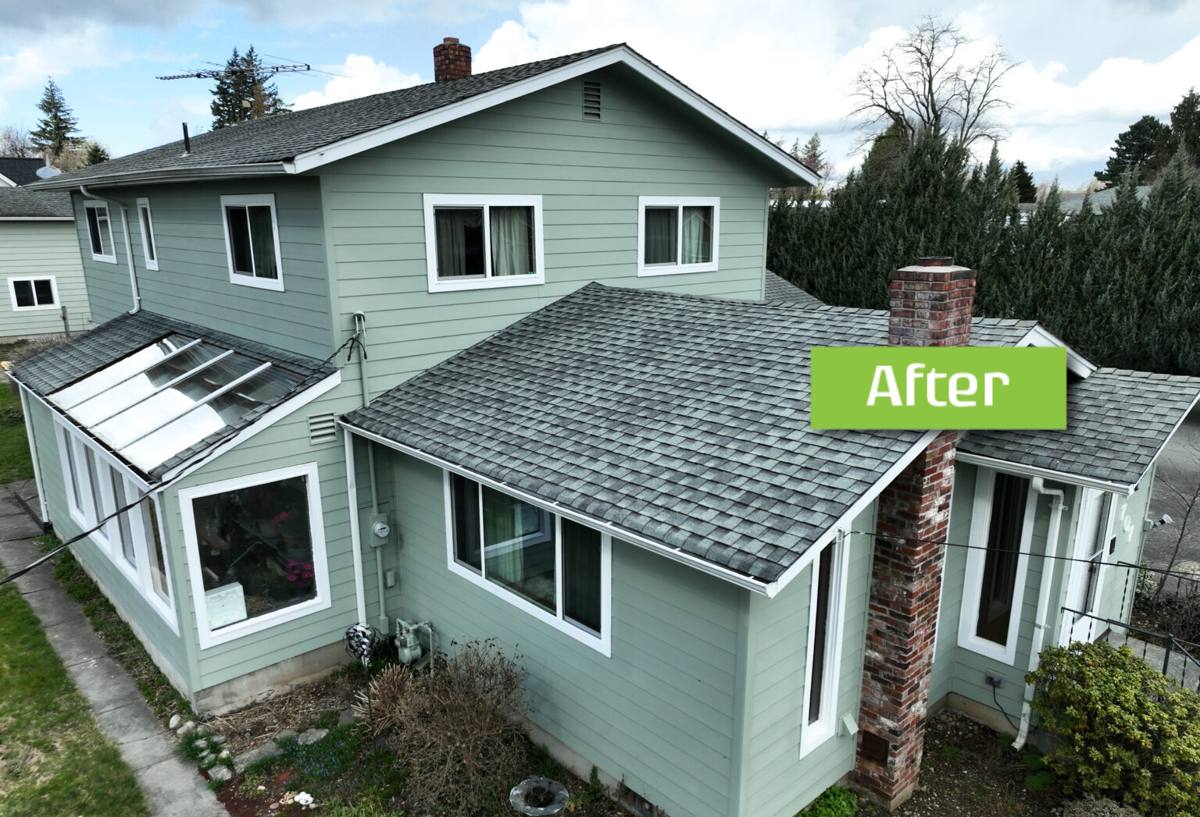
Signs a Citrus Park Roof Needs Replacement, Not Repair
Repair makes sense when a roof has one clear, isolated problem on an otherwise sound system. Replacement becomes the honest recommendation when the roof's underlying materials are past their working life, even if the surface still looks okay from the driveway. Some signs that tip the decision toward full replacement:
- Shingles that are curling, cupping, or losing granules across large sections rather than in one isolated spot
- Repeated leaks in different areas after storms, rather than one recurring leak in the same place
- Visible sagging in the roof deck, which points to moisture damage underneath, not just surface wear
- A roof nearing or past the manufacturer's expected service life for its material and local exposure
- Multiple layers of old roofing already installed, which limits repair options and complicates future work
- Soft spots underfoot during inspection, indicating rotted decking
If only one or two of these apply and the roof is otherwise young, a targeted repair is usually the right call — we'll say so. Replacement should be a conclusion based on what we actually find, not a default recommendation.
What a Correct Roof Replacement Actually Involves
Tear-Off and Deck Inspection
A proper replacement starts with a full tear-off down to the deck, not a layover of new shingles on top of old. This is the only point in the entire job where the wood decking underneath is actually visible. Any rotted, delaminated, or soft sheathing gets identified and replaced before anything new goes down. Skipping this step — or rushing it — is how a new-looking roof ends up with a hidden structural problem a few years later.
Underlayment and the Secondary Water Barrier
The underlayment is the roof's backup plan for the moments when wind-driven rain gets past the shingles, which happens more often in this region than most homeowners realize. Synthetic underlayment, properly lapped and fastened, gives far better wind and water resistance than older felt products. In vulnerable areas — valleys, eaves, and around penetrations — a self-adhering waterproof membrane adds a second layer of protection where water is most likely to intrude.
Flashing Is Where Most Roofs Actually Fail
Chimneys, skylights, wall-to-roof transitions, and vent pipes are the most common source of leaks — not the open field of shingles. Flashing has to be formed and installed correctly at each of these details, with corrosion-resistant materials given the salt air in this area. Reusing old, corroded flashing to save time is a shortcut that shows up as a leak later, often somewhere that's hard to trace back to the real cause.
Ventilation Nobody Thinks About
Attic ventilation affects both the roof's lifespan and the home's cooling costs. A poorly ventilated attic traps heat and moisture, which shortens shingle life from underneath and can lead to condensation issues in the decking. A correct replacement includes checking that intake and exhaust venting are balanced, not just installing new shingles over an attic that was never properly vented to begin with.
Roofing Material Options for Pasco County Homes
Most Citrus Park homes are candidates for either architectural asphalt shingles or metal roofing, with the right choice depending on budget, how long the homeowner plans to stay in the house, and personal priorities around maintenance and appearance.
| Material | Typical Lifespan | Wind Performance | Maintenance |
|---|---|---|---|
| Architectural asphalt shingle | 20-30 years | Good, with proper nailing pattern and rated products | Low; periodic inspection after storms |
| Standing seam metal | 40-50+ years | Excellent when properly fastened | Very low; occasional fastener and sealant checks |
| 3-tab asphalt shingle | 15-20 years | Lower than architectural shingles in high-wind events | Low, but shorter service life overall |
We don't push one material over another as a default. Architectural shingles remain the most cost-effective option for most homeowners and, installed correctly, hold up well against this region's wind and UV. Metal costs more upfront but spreads that cost over a much longer service life and handles wind-driven rain and UV exposure with less long-term maintenance. The honest trade-off is upfront investment versus decades of reduced attention — we'll walk through both against your budget rather than assume you want the more expensive option.
What Drives the Cost of a Roof Replacement
Every roof is priced from its own specifics, but the same handful of factors move the number up or down on almost every job we quote in this area.
| Factor | Why It Matters |
|---|---|
| Roof size and number of squares | Larger roofs need more material and labor, the most direct cost driver |
| Roof pitch and complexity | Steep or multi-plane roofs with several valleys take longer and are less efficient to work |
| Deck condition found at tear-off | Rotted or damaged decking discovered during removal adds material and labor |
| Material selection | Asphalt, upgraded architectural lines, and metal carry different material costs |
| Number of penetrations | Chimneys, skylights, and vents each require additional flashing work |
| Permitting and code requirements | Current Florida Building Code wind and underlayment requirements affect scope |
We provide broad, honest pricing ranges once we've actually looked at the roof — we won't quote a number over the phone without an inspection, because the deck condition and roof complexity change the price more than anything else.
Permits, Wind Ratings, and Insurance in Pasco County
Roof replacements in Pasco County require a permit and inspection under the Florida Building Code, which sets minimum standards for underlayment, fastening patterns, and wind uplift resistance appropriate for this part of the state. This isn't paperwork for its own sake — the code exists because of exactly the wind and rain conditions Citrus Park sees every hurricane season.
A properly permitted and documented roof replacement can also affect homeowners insurance. Many carriers offer credits for roofs that meet current wind mitigation standards, and having permit records and inspection documentation on file makes future claims — and future home sales — much smoother. We pull permits and schedule required inspections as a standard part of the job, not an add-on.
Our Process, Start to Finish
- Inspection. We get on the roof, check the deck where accessible, and evaluate flashing, ventilation, and overall condition — not just the shingle surface.
- Honest recommendation. We tell you whether replacement is actually warranted or whether a repair would serve the roof just as well.
- Written estimate. Material options, scope, and pricing laid out clearly, with no pressure to decide on the spot.
- Permitting. We handle the permit application with Pasco County before work begins.
- Tear-off and deck repair. Full removal of the old roofing, with any damaged decking replaced and documented.
- Underlayment, flashing, and ventilation. Installed to current code and matched to this climate, not the minimum shortcut.
- New roofing installation. Installed to manufacturer specification for the wind rating your roof needs.
- Final inspection and cleanup. County inspection scheduled, site cleared, and a walkthrough so you know exactly what was done.
Why It Matters That We Already Work in Citrus Park
Roofing crews who work regularly in Citrus Park and the surrounding Land O'Lakes area already know the housing stock, the common roof pitches and framing quirks in local subdivisions, and what Pasco County's permitting office expects on submittals — which keeps a job moving instead of stalling on paperwork. That familiarity also shows up in smaller ways: knowing which flashing details tend to give older homes trouble locally, and sizing ventilation correctly for the heat and humidity this area holds for most of the year.
A crew that isn't local is guessing at some of that. A crew that already works this area isn't.
Keeping a New Roof Performing
A correctly installed roof still benefits from basic upkeep, especially given how much sun and storm activity it sees every year in this area. After installation, a few simple habits go a long way:
- Have the roof visually checked after any major storm, particularly following high wind events
- Keep gutters and valleys clear of debris so water has a clean path off the roof
- Trim back overhanging branches that can abrade shingles or drop debris
- Watch for granule buildup in gutters, which can signal accelerated shingle wear
- Schedule a periodic inspection every couple of years, even with no known issues
- Address any small leak or soft spot promptly rather than waiting for it to spread
None of this requires a maintenance contract or frequent professional visits — it's mostly about not ignoring small warning signs until they become expensive ones.
If your roof in Citrus Park is showing its age, took storm damage, or you just want an honest opinion on repair versus replacement, we're glad to take a look. The estimate is free, there's no pressure to sign anything on the spot, and you'll get a straight answer about what your roof actually needs.