 Land O'Lakes Siding
 Windows for Bexley's New Homes, Installed Right the First Time
Bexley is one of the more active new-construction communities in Land O'Lakes, and that pace of building creates a real risk: windows going into homes as fast as builders can move, with installation quality varying from crew to crew. A window is only as good as its installation. The best-rated window on the market will leak, rattle, or fail early if the flashing, fastening, and sealing weren't done to the letter — and in a Pasco County new build, there's no "settling in" period where minor mistakes stay minor. Florida's climate finds every gap immediately.
We install new-construction windows in Bexley and the surrounding Land O'Lakes area specifically for what this climate does to a house: hurricane-force wind events, intense year-round UV, wind-driven rain that gets pushed sideways into wall assemblies, and salt-tinged air moving inland off the Gulf that slowly attacks anything not built or finished correctly. Getting the window right on a new build means getting all of that handled before drywall ever goes up, not fixed after the fact.
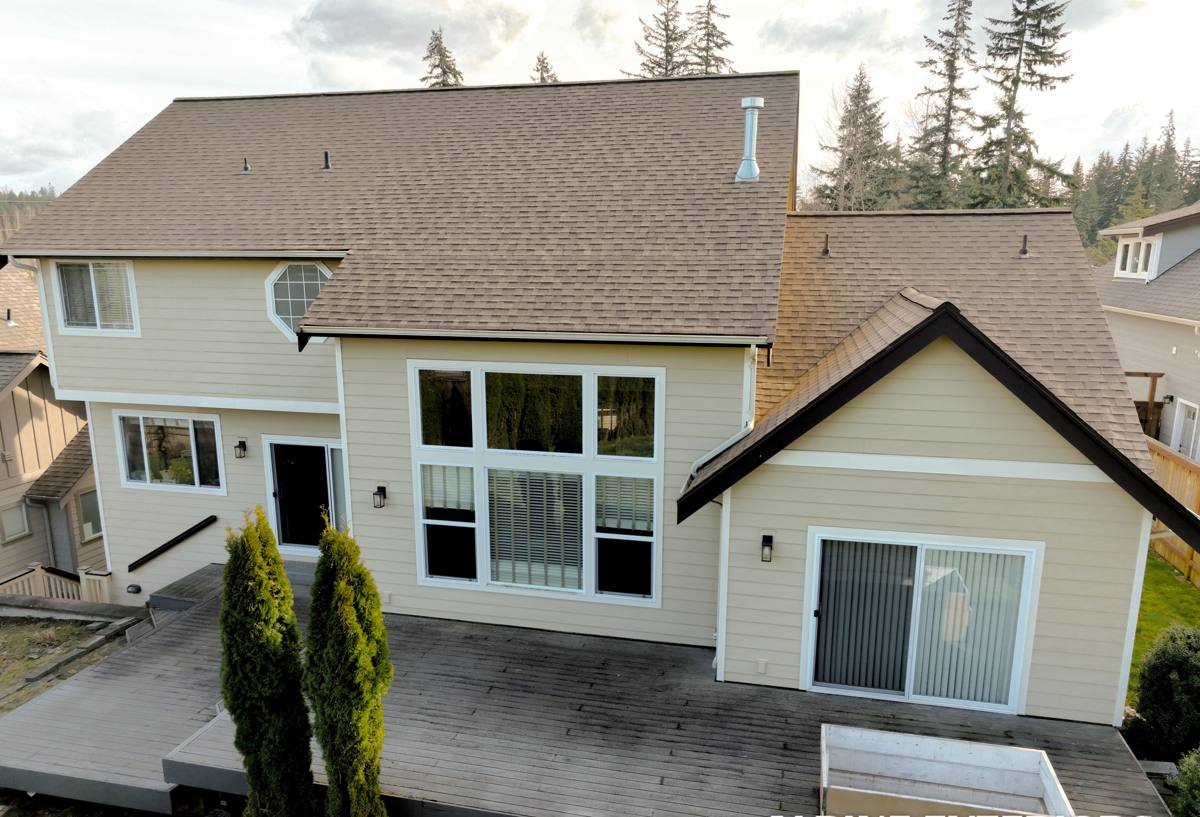
What Land O'Lakes' Climate Demands From a New-Construction Window
New construction gives you one real advantage over a retrofit: you can build the window opening and the water management around it correctly from a bare stud wall, instead of working around whatever was there before. That only pays off if the installer treats the climate as the design brief.
Wind and Wind-Driven Rain
Pasco County sits inside Florida's hurricane exposure zone, and even a season without a direct hit still brings tropical systems and strong summer storms that drive rain horizontally into wall assemblies. A window opening that isn't flashed to shed water outward — sill pan, weep path, and properly lapped house wrap — will take on water during a wind-driven rain event even if the window itself is rated for it. The installation is what makes the rating mean anything.
UV Exposure
Florida sun is harder on materials, year-round, than almost anywhere else in the country. Vinyl frames, sealants, and low-E coatings all age differently under this much UV. New-construction windows need glass packages and frame materials chosen with that exposure in mind, not just whatever spec sheet looks good on paper.
Humidity and Salt-Tinged Air
Land O'Lakes isn't beachfront, but it's close enough to the Gulf that salt-laden, humid air is part of the everyday environment, especially with onshore flow. That air accelerates corrosion on hardware, fasteners, and screens over time. It also means new-construction wall cavities need to manage moisture correctly — a window installed without the right vapor and drainage detailing can trap humidity behind the wall long before anyone notices a problem.
Building Code and Wind Zone Requirements
New construction in this part of Pasco County falls under Florida Building Code wind-borne debris and pressure requirements. That governs the products that can legally go in — but code compliance only exists on paper unless the anchoring, fastener spacing, and sealant details actually match the window's approved installation instructions.
What a Correct Installation Actually Involves
On a new build, the window installer isn't retrofitting into an existing wall — they're setting the standard the rest of the exterior envelope has to live up to. That means:
- Verifying the rough opening is square, plumb, and sized correctly before the window ever goes in — a common source of long-term air and water leaks on production-built homes
- Installing a sloped sill pan so any water that does get past the window drains outward, not into the wall cavity
- Lapping house wrap or building paper over the nailing fin correctly, top-over-bottom, so water sheds down and out
- Using the fasteners, spacing, and anchor type specified in the window manufacturer's approved installation instructions — not a generic pattern
- Sealing with the correct sealant chemistry at the correct joints, inside and out, without over-sealing in ways that trap moisture
- Confirming the finished install meets the wind pressure rating the structural plans call for at that elevation of the house
Skip any one of these steps and the window can still look fine at closing. The problems — staining, soft drywall, foggy glass units, wind noise, or a failed inspection — tend to show up months or years later, after the builder's punch list is long closed.
Choosing the Right Window for a Bexley Build
Not every new-construction window needs to be top-of-the-line, but the choice should be intentional, based on the home's exposure, orientation, and what the builder's spec allows. A few of the core decisions:
| Factor | Why It Matters in Land O'Lakes |
|---|---|
| Impact vs. non-impact glass | Impact-rated glass adds wind-borne debris protection without shutters or panels, at a higher upfront cost; non-impact windows need approved shutter or panel protection to meet code in wind-borne debris areas |
| Frame material | Vinyl and fiberglass both hold up well to Florida UV and humidity when properly finished; wood needs more upkeep in this climate and isn't the fit for most new builds here |
| Low-E glass coating | Reduces solar heat gain, which matters directly for cooling costs on a Florida-facing roof and walls in full summer sun |
| U-factor and SHGC ratings | Lower numbers on both mean better performance against heat gain and energy loss — worth comparing across product lines, not just price |
| Hardware finish | Corrosion-resistant hardware matters more here than in drier inland climates, given the humidity and salt content in the air |
For a Bexley new build, we walk through these trade-offs with the homeowner or builder before installation, not after — because reworking a window choice after the wall is closed up is expensive and avoidable.
How We Handle New-Construction Windows on a Bexley Build
Before Installation
We review the rough openings against the window schedule and structural plans, confirm wind pressure ratings match what the elevation requires, and check that openings are framed square and to size. Catching a framing issue before the window arrives saves days of delay later.
During Installation
Each opening gets sill pan flashing, correctly lapped house wrap integration, manufacturer-specified fastening, and sealant at every required joint. We install to the window manufacturer's instructions exactly, because that's what keeps the product warranty and the wind rating intact — deviating from it voids both, even if the window still looks properly installed.
After Installation
We check operation on every unit — smooth opening and closing, tight locks, no binding — and inspect the exterior seal line before we consider the opening finished. On a new build we coordinate timing with the builder's schedule so windows go in at the right point relative to house wrap, stucco or siding, and interior trim.
Why a Crew That Already Works Bexley Matters
Bexley isn't a one-off job site for us — it's a community we've been in before, which matters in ways that aren't obvious until something goes wrong. We already know the general wind exposure the community sees, the builder standards used across the neighborhood, and the kind of framing tolerances typical to the homes going up there. That means fewer surprises, faster problem-solving when something doesn't line up, and installation decisions grounded in what actually holds up here — not generic advice pulled from a national manual.
It also matters for permitting and inspection. Pasco County inspectors are checking new-construction window installs against specific wind zone and code requirements. A crew that's pulled permits and passed inspections in this county repeatedly knows what inspectors are actually looking for, which keeps a build moving instead of stalling on a failed inspection and a redo.
Questions Worth Asking Any Contractor Before They Touch a New-Construction Opening
- Do you install to the specific window manufacturer's instructions, or a generic method?
- Who pulls the permit, and is your work licensed and insured in Florida?
- What's your process for sill pan flashing and house wrap integration?
- What wind pressure rating do these openings require, and how is that verified after install?
- What does your warranty cover — labor, or just the manufacturer's product warranty?
Common New-Construction Window Mistakes We See
Most of the problems we get called to fix in newer Land O'Lakes homes trace back to a handful of repeat issues:
- Missing or improperly lapped sill pan flashing, allowing water into the wall cavity
- Fasteners installed at the wrong spacing or into the wrong substrate, undermining the wind rating
- Sealant used at the wrong joints, or skipped where it mattered most
- Rough openings that were out of square, forcing the window frame out of true and stressing the seals
- Non-impact windows installed in wind-borne debris zones without an approved protection plan on file
Every one of these is preventable with a careful installer and isn't something a homeowner can easily catch by looking at a finished window from the inside.
What to Expect After Move-In
A correctly installed new-construction window in this climate needs very little from a homeowner: periodic cleaning of tracks and weep holes, an occasional check of exterior sealant lines for cracking after a few years of UV exposure, and normal hardware lubrication. What it shouldn't need is caulk touch-ups every year, foggy glass, or water stains below the sill — those are signs the original installation missed something, not signs of a normal Florida home aging.
If you're building or finishing a home in Bexley and want windows installed to hold up against Pasco County's wind, sun, and rain from day one, we're glad to walk the plans with you and provide a free, no-pressure estimate — the form below gets you started.