 Land O'Lakes Siding
 Deck Repair Built Around Bexley's Growth and Florida's Weather
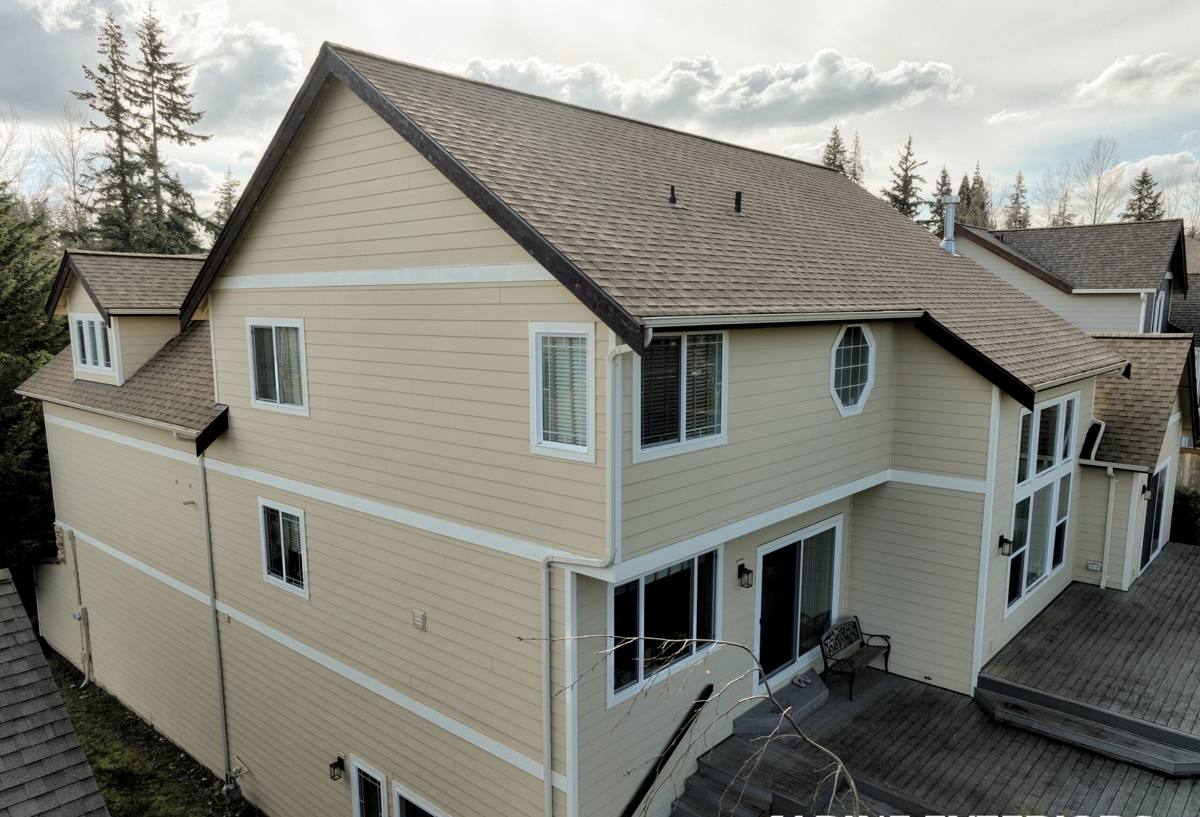
Bexley is one of the newer, fast-growing communities in Land O'Lakes, and a lot of its homes still have decks, porches, and elevated outdoor living spaces that are only a few years old. That doesn't mean those structures are problem-free. Florida's climate ages exterior wood and hardware fast, and a deck that looks fine from a distance can already have loose fasteners, soft framing, or moisture trapped underneath the surface boards. We repair decks throughout Land O'Lakes and Pasco County, and Bexley's mix of newer construction and consistent build styles means we see the same failure patterns repeat from yard to yard — which makes diagnosing and fixing them faster and more accurate.
This page focuses specifically on deck repair for Bexley homeowners: what the local climate does to decks, what a proper repair actually involves, and how to tell a real fix from a patch job that will fail again in a year or two.
What Central Florida Weather Does to a Deck Over Time
Pasco County doesn't get the harsh freeze-thaw cycles that damage decks up north, but it puts different stresses on outdoor structures — and they add up just as fast.
Sun and Heat
Land O'Lakes gets intense, near year-round UV exposure. Sunlight breaks down the lignin in wood fibers, causing graying, splintering, and surface checking. UV also degrades sealants, stains, and the plastic components in some composite and PVC railing systems, which is why unprotected decking can look worn well before it's structurally compromised.
Humidity and Wind-Driven Rain
Afternoon storms and wind-driven rain push moisture into places a deck was never designed to handle — under railings, into end-grain cuts, behind ledger boards, and into fastener holes. That trapped moisture is what actually causes rot; it's rarely the rain itself, but the water that gets in and can't dry out.
Hurricane-Force Wind Loads
Even when a storm doesn't cause visible damage, repeated wind loading works joist hangers, ledger connections, and railing posts loose over time. A deck can pass a casual visual check and still have connections that have backed out or begun to pull away from the house.
Salt Air and Corrosion
Land O'Lakes sits inland, but Gulf-driven weather systems still carry enough salt-laden moisture to accelerate corrosion on exposed metal fasteners, brackets, and hardware — especially on decks that weren't built with coated or stainless fasteners to begin with.
Common Deck Problems We See in Bexley Homes
- Soft or spongy decking boards — usually surface moisture that's worked into the wood grain or board core.
- Rust streaking around screws and nails — a sign that standard fasteners were used instead of coated or stainless hardware.
- Cupping or warping boards — moisture absorbed unevenly across the board, common on boards laid too tight with no drainage gap.
- Loose or wobbly railings — post connections that have loosened from wind loading or rot at the base.
- Ledger board separation — the board that attaches the deck to the house pulling away, often hidden behind flashing.
- Mold and mildew staining — surface growth from humidity, usually cosmetic but a sign airflow underneath is poor.
- Cracked or splitting boards near fasteners — pre-drilling was skipped or fasteners were placed too close to board edges.
Repair or Replace? How We Make That Call
Not every deck problem means starting over, and not every "repair" is actually worth doing. The right call depends on what's failing — the surface boards, or the structure underneath.
| Factor | Usually Repairable | Usually Needs Replacement |
|---|---|---|
| Location of damage | Isolated boards, railings, stairs | Framing, joists, ledger board, multiple structural members |
| Extent of rot | Surface or localized soft spots | Rot that's spread through structural framing |
| Age of the deck | Newer deck, isolated issue | Older deck at the end of its service life |
| Fastener condition | Rust on surface hardware only | Corrosion has compromised structural connections |
| Cost to fix vs. rebuild | Repair cost is a fraction of replacement | Repair cost approaches full replacement |
We'll always tell you honestly which category your deck falls into. A deck with isolated board or railing damage doesn't need to be torn out — but a deck with compromised structural framing shouldn't just get cosmetic patches, because that's a safety issue, not a cosmetic one.
What a Correct Deck Repair Actually Involves
A repair that holds up in Pasco County's climate isn't just swapping a board for a board. We look at the whole system, because a deck fails from the structure out, not the surface in.
Structural Inspection First
Before replacing anything visible, we check the framing, joists, ledger board attachment, and support posts. Surface damage is often a symptom of a moisture problem happening underneath — replacing boards without addressing that just buys time.
Ledger Board and Flashing
The ledger board is one of the most common failure points on attached decks because it sits directly against the house and is exposed to whatever moisture works its way behind the siding or trim. Proper flashing at this connection is what keeps water from being driven into the structure — and if it's missing or damaged, it needs to be corrected as part of the repair, not left in place.
Fastener and Hardware Upgrades
If a deck shows rust streaking, we don't just replace the fasteners that failed — we look at whether the original hardware was rated for exterior/coastal-influenced exposure at all. Stainless or coated structural screws and joist hangers are our standard for anything going back into the frame.
Board Replacement Done Right
Replacement boards get proper spacing for drainage and airflow, correct fastener placement (not too close to edges, always pre-drilled where needed), and matched fastening so new boards don't loosen faster than the boards around them.
Railing and Stair Safety
Railings and stairs get the same structural scrutiny as decking — post connections, baluster spacing, and stair stringer condition all get checked, since these are the components most likely to cause an injury if they fail.
Our Process for Bexley Deck Repairs
- On-site inspection — we walk the full deck, check underneath where accessible, and identify both visible and hidden issues.
- Honest assessment — we tell you what's cosmetic, what's structural, and what can wait versus what shouldn't.
- Written estimate — clear scope of work, materials, and pricing before anything starts.
- Repair work — structural fixes first, then decking, railings, and finish work.
- Permit compliance — structural repairs are handled in line with Pasco County permitting requirements where applicable.
- Final walkthrough — we check the completed repair with you before considering the job done.
Decking Material Options for Repairs
When boards need to be replaced, homeowners usually have a choice between matching the existing material or upgrading part of the deck. Here's how the common options hold up in this climate:
| Material | Sun/Heat Performance | Moisture Behavior | Maintenance |
|---|---|---|---|
| Pressure-treated wood | Fades and grays without regular sealing | Prone to rot if end grain or fasteners aren't sealed | Needs periodic sealing/staining |
| Composite decking | Handles UV well; some colors run warmer underfoot | Resists rot but core can absorb moisture if the cap layer is damaged | Low — occasional cleaning |
| PVC/cellular decking | Very stable in heat and sun | Fully moisture-resistant, doesn't rot | Lowest — cleaning only |
We're upfront about the trade-offs of each: wood costs less up front but demands consistent maintenance to actually last in this climate; composite and PVC cost more initially but hold up with far less upkeep. For a repair, matching the existing material is usually the practical choice unless the homeowner is looking to upgrade a section long-term.
Why It Matters That We Already Work in Bexley
A contractor who's unfamiliar with the area is guessing at things a local crew already knows — which HOA guidelines typically apply to exterior work, what Pasco County's inspection process looks like for structural repairs, and which failure patterns are common in homes built during Bexley's recent construction years. That familiarity shortens the inspection-to-repair timeline and reduces surprises mid-project. It also means we're not learning the neighborhood on your dime — we already know what to look for the moment we walk up to the deck.
Signs Your Bexley Deck Needs Attention Now
- Boards that feel soft, spongy, or flex more than they used to
- Rust stains bleeding from screw or nail heads
- Railings or posts that wobble when pushed
- Visible gaps or movement where the deck meets the house
- Boards that have cupped, warped, or split near fasteners
- Persistent mildew or dark staining that doesn't clean off
- Stairs that feel uneven or have visible give underfoot
If any of these sound familiar, it's worth having the deck looked at before the next big storm rather than after. Small structural issues are inexpensive to fix early and considerably more disruptive once they've spread.
If you're noticing any of these signs on a deck in Bexley or anywhere in Land O'Lakes, we're happy to take a look and give you a straightforward, no-pressure estimate — just fill out the form below.