 Land O'Lakes Siding
 Why Siding Repair Calls Are So Common in Angus Valley
Homes in Angus Valley sit in one of the toughest climates in the country for exterior siding. Pasco County doesn't get a break from the weather the way inland or northern markets do — it's a year-round cycle of intense UV exposure, sudden wind-driven rain, and the kind of tropical humidity that finds every gap and seam in a wall assembly. Add hurricane-force wind events to that mix, along with a steady trace of salt air moving inland from the Gulf, and you have a set of conditions that ages siding faster than almost anywhere else in the country.
Most siding products were engineered with a national average climate in mind, not west-central Florida. That mismatch is exactly why so many Angus Valley homeowners end up needing repairs years before they expected to — not because they did anything wrong, but because the material or the original installation wasn't built for what this specific climate does to a house day after day.
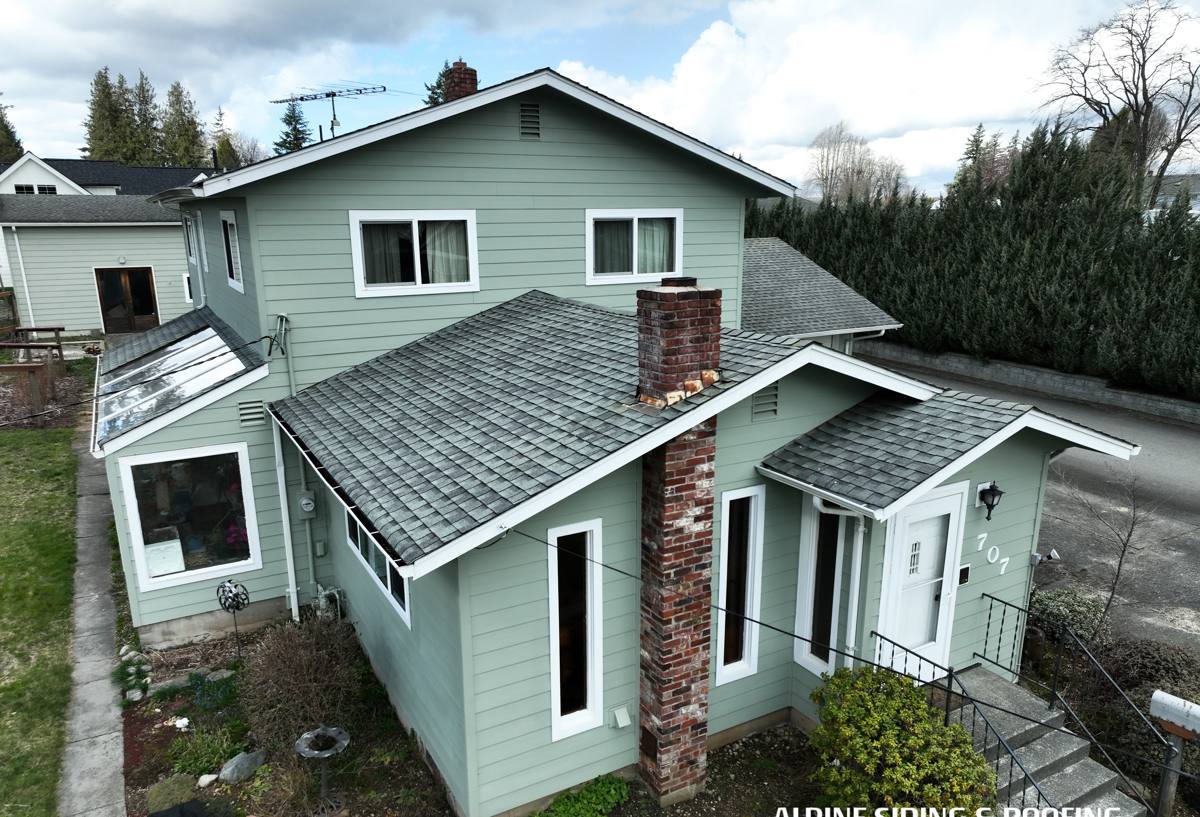
Signs Your Siding Needs a Closer Look
Siding damage in this climate doesn't always announce itself with a dramatic crack after a storm. A lot of it shows up slowly, as small changes that are easy to write off until they turn into a bigger repair. Homeowners in Angus Valley should keep an eye out for:
- Soft or spongy spots when you press on a wall section, especially near the bottom courses or around window trim
- Visible cracking, splitting, or buckling in individual boards or panels
- Paint or finish that's peeling, chalking, or fading unevenly across a wall
- Streaking or dark staining near seams, joints, or fastener heads
- Gaps opening up at butt joints, corners, or where siding meets trim
- Rust bleeding from nail heads or metal trim pieces
- Any section that looks visibly different in color or texture from the rest of the wall
Any one of these on its own might be minor. Several showing up together, especially on the same side of the house, usually means moisture or wind has been working on that section for a while.
What's Actually Driving the Damage
Wind and Impact Damage
Hurricane-force wind doesn't just push against a wall — it lifts, flexes, and pries at siding edges, especially on corners and gable ends where wind pressure concentrates. Loose fastening, aging caulk joints, and boards that were never properly nailed to spec are the first things to fail under that kind of load. Wind-driven debris adds a second layer of risk, chipping or puncturing siding that's otherwise sound.
Moisture and Rot
Wind-driven rain in this part of Florida doesn't fall straight down — it comes in sideways, which means it finds its way behind poorly sealed joints, failed caulking, and any gap in the water-resistive barrier. Once moisture gets behind siding, it stays warm and humid back there for most of the year, which is exactly the environment wood-based and composite products struggle with. Rot rarely stays contained to the spot where water got in; it spreads along the framing and sheathing until it's caught.
UV Breakdown
Florida's UV index is high nearly every month of the year, and constant sun exposure breaks down paint films, finishes, and the surface layer of some siding materials over time. This shows up as chalking, fading, and finishes that become brittle and start to crack rather than flex.
Salt Air and Fastener Corrosion
Even well inland from the coast, salt-laden air moving through the region accelerates corrosion on fasteners, flashing, and any exposed metal trim. Rusted nail heads and corroded fasteners lose their grip over time, which is often the real reason a siding panel that looks fine suddenly comes loose in a storm.
What a Correct Siding Repair Actually Involves
A repair that's done right addresses the cause, not just the visible symptom. That's the difference between a fix that lasts and one that fails again in a year or two. Here's what we check on every repair call in Angus Valley:
Inspecting Behind the Siding, Not Just the Surface
Whenever a section is opened up, we look at what's underneath — the water-resistive barrier, the flashing details around windows and penetrations, and the condition of the sheathing. Damaged siding is often a symptom of a flashing or water-barrier problem that has to be corrected, or the repair will fail again in the same spot.
Testing for Hidden Moisture
Visible damage is often smaller than the actual problem. We use moisture testing on and around the affected area to understand how far water has traveled, rather than assuming the damage stops where it's visible from outside.
Matching Materials and Finish
A patch that doesn't match the surrounding siding in profile, reveal, or finish sticks out and can actually create a new water path at the seam. Getting the match right — both physically and visually — is part of doing the job correctly, not an afterthought.
Correct Fastening and Sealant Detailing
Repairs need to be fastened to the manufacturer's specification, not just nailed back into place. Sealant at joints and terminations has to be applied correctly and in the right locations, since over-sealing or sealing the wrong joint can trap moisture instead of keeping it out.
Repair or Replace? How We Help You Decide
Not every damaged section needs a full re-side, and not every repair is worth doing. The right call depends on a handful of factors we walk through with every homeowner before recommending anything.
| Factor | Leans Toward Repair | Leans Toward Replacement |
|---|---|---|
| Extent of damage | Isolated to one or two sections | Spread across multiple walls or elevations |
| Age of existing siding | Relatively new, still within expected service life | Near or past its expected lifespan |
| Moisture findings | Surface-level, no hidden rot found | Moisture has reached sheathing or framing |
| Material condition overall | Rest of the siding is sound and holding paint/finish well | Chalking, cracking, or finish failure showing elsewhere too |
| Match availability | Profile and finish can be matched cleanly | Discontinued profile or finish that won't blend in |
We'll always tell you honestly which side of that table your home falls on. A patch that only buys a year or two before the next repair call usually isn't worth the money, and we'll say so.
Why We Repair and Rebuild With James Hardie Fiber Cement
When a repair does call for new material — whether that's a section, a full wall, or a full re-side — we only install James Hardie fiber cement. That's a deliberate standard, not a brand preference. Fiber cement doesn't absorb water the way wood-based products do, so it doesn't swell, rot, or provide the same food source for pests that damp wood does. It's non-combustible, which matters in a state where wind-driven embers from wildfires and even lightning-strike fires are a real concern. And Hardie's ColorPlus factory finish is baked on and warranted against fading in a way that field-applied paint on other materials generally isn't, which matters enormously under Florida's UV load.
Hardie also engineers specific product lines — the HZ5 line, for instance — for hot, humid, high-moisture climates like ours, rather than selling one national product and hoping it holds up everywhere. When we're already opening up a wall to make a repair, tying that section into a fiber cement system gives the homeowner a genuinely more durable result than patching with a product that's already shown it can't handle this climate.
Our Angus Valley Repair Process
- Inspection and diagnosis — we look at the damaged area and the surrounding siding, checking behind the surface wherever we can access it
- Honest scope and options — we explain what we found, whether it's a true repair situation or something bigger, and what each option costs and involves
- Moisture and structural check — before any new material goes on, we confirm the sheathing and framing underneath are sound
- Repair or replacement — using James Hardie fiber cement for any new material, fastened and sealed to manufacturer specification
- Finish and cleanup — matched trim and caulking details, site cleaned up before we consider the job done
Why Local Experience in Angus Valley Matters
A repair crew that already works this neighborhood knows what tends to fail here and why, instead of treating every house like an unknown. That familiarity shows up in small but important ways: knowing which elevations take the worst of the wind-driven rain in this part of Pasco County, recognizing the early signs of the moisture and UV damage patterns common to this area, and moving quickly when a storm has caused damage that needs attention before the next round of weather comes through. If your home is part of a homeowners association, exterior repair work may also need to follow approved colors or material guidelines — something worth confirming before work begins, and something a crew familiar with the area can help you navigate.
Local experience also means realistic scheduling and honest expectations about what a repair will and won't fix, rather than a one-size-fits-all approach brought in from outside the region.
If you've noticed damage, staining, or soft spots on your siding, we're happy to take a look and give you a straightforward, no-pressure assessment of what's going on and what it would take to fix it right. Use the form below to request a free estimate for your Angus Valley home.