 Land O'Lakes Siding
 Roof Repair Built Around How Angus Valley Homes Actually Age
Every roof in Pasco County is fighting the same battle: sun, wind, and water, day after day, for as long as the shingles last. In Angus Valley, that battle shows up in predictable places — around vent boots, at valleys, along ridge caps, and wherever flashing meets a wall or chimney. A roof repair here isn't a generic patch job. It's a repair that has to hold up against the specific mix of conditions Land O'Lakes throws at it year-round, not just fix what's visible today.
This page covers what roof repair actually means for homes in this part of Land O'Lakes: what typically fails first, what a repair should include to actually last, and how we approach the work when we're called out to Angus Valley.
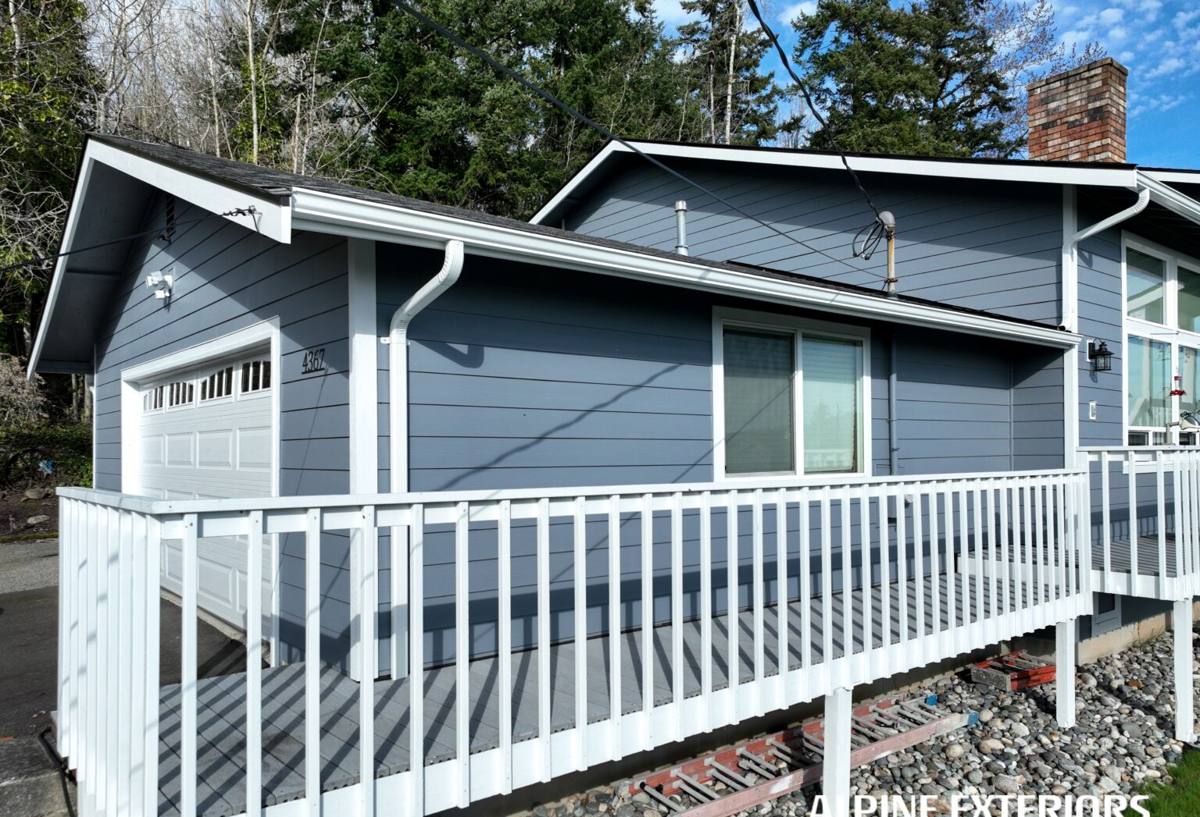
What Land O'Lakes Weather Does to a Roof Over Time
Central Florida roofs don't fail all at once — they fail in stages, and the stages are driven by climate, not age alone.
UV Exposure, Every Day of the Year
Florida sun is relentless and year-round. Asphalt shingle granules break down under constant UV, the asphalt underneath dries out and loses flexibility, and sealant strips lose their bond faster than they would in a milder climate. Once shingles get brittle, they crack instead of flexing, and that's usually where a small repair need starts.
Wind-Driven Rain
Straight-down rain is rarely the problem. Wind-driven rain — rain pushed sideways and upward under shingle edges, flashing laps, and ridge caps — is what actually gets into a roof system. This is why leaks so often show up in spots that look fine from the ground: the water isn't coming through a hole, it's being driven in under a lap joint during a storm.
Hurricane-Force Wind Events
Pasco County sits in a region that sees tropical systems and hurricane-force wind gusts. Even when a storm doesn't cause obvious damage, high wind can lift shingle tabs, loosen nails, and stress flashing without tearing anything off outright. That damage is often invisible until the next heavy rain finds the weak spot.
Heat and Humidity Cycling
Roofs expand and contract daily with heat, and Florida's humidity keeps moisture in the attic and roof deck longer than drier climates do. That constant cycling works fasteners loose and stresses seams over years of exposure, which is part of why repairs cluster around the same joints and penetrations no matter how new the shingles look.
The Repair Issues We See Most Often in This Area
- Cracked or lifted shingle tabs — usually from UV brittleness combined with wind stress, often on south- and west-facing slopes that get the most sun.
- Failed pipe boot seals — the rubber collar around plumbing vents degrades faster than the shingles around it and is one of the most common leak sources in the region.
- Flashing separation — at chimneys, walls, and roof-to-roof transitions, where metal flashing and roofing material move at different rates over time.
- Valley wear — valleys carry more water volume than any other part of the roof and take more granule loss and wear as a result.
- Ridge cap deterioration — ridge caps sit at the highest wind-exposure point on the roof and are often the first thing to lift in a storm.
- Nail pops and fastener backout — from thermal cycling, sometimes showing up as small bumps or cracks in the shingle surface.
What a Correct Roof Repair Actually Involves
A repair that's done right addresses the cause, not just the symptom. That distinction matters more in this climate than in most, because a patch that only covers the visible damage tends to fail again within a season or two once wind-driven rain finds the same weak point.
Diagnosis Before Repair
Before any material goes on the roof, the actual entry point for water needs to be identified — which is not always directly above where a stain shows up inside the house. Water can travel along the underlayment or decking before it drips through, so tracing the real source is the first job.
Matching Materials, Not Just Covering the Spot
Repairs should use shingles and flashing that match the existing roof in type and, where possible, color and wear level, so the repair blends in and performs the same as the surrounding roof rather than creating a new weak seam at the edges.
Checking the Decking, Not Just the Surface
If water has been getting in for any length of time, the plywood decking underneath can be softened or delaminated. A repair that skips checking the deck and just re-shingles over compromised wood doesn't actually solve the problem — it just delays the next visible leak.
Proper Flashing and Sealant Work
Flashing needs to be correctly lapped, fastened, and sealed with materials rated for sustained UV and heat exposure — not a generic caulk that will dry out and crack within a year or two in this climate.
Our Repair Process
- Inspection. We walk the roof and check the attic where accessible, looking for the actual source of any leak or damage rather than assuming based on where the interior stain appears.
- Honest assessment. We tell you what we find — including if the damage is more extensive than a simple repair can reasonably address, so you're not surprised later.
- Repair scope and pricing. You get a clear explanation of what needs to be fixed and why, before any work starts.
- The repair itself. Matching materials, correct flashing technique, and attention to the surrounding area so we're not leaving other weak points untouched.
- Cleanup and check. We clear debris and old materials from the property and confirm the repair area is sound before we consider the job finished.
Repair vs. Replacement: How to Think About It
Not every roof issue needs a full replacement, and not every issue should be patched indefinitely. Here's a general framework for how the decision usually breaks down:
| Factor | Leans Toward Repair | Leans Toward Replacement |
|---|---|---|
| Roof age | Well within expected shingle lifespan | At or past the typical service life for the material |
| Extent of damage | Localized — one slope, valley, or penetration | Spread across multiple slopes or recurring in different spots |
| Decking condition | Solid, no soft spots found | Soft, delaminated, or water-stained decking in multiple areas |
| Granule loss | Isolated to the damaged area | Widespread, visible in gutters and on the roof surface generally |
| Storm history | Single recent event, otherwise sound roof | Multiple storm cycles with cumulative wind and rain exposure |
This table is a starting point for a conversation, not a diagnosis — the actual answer depends on what we find when we're on the roof.
Signs You Likely Need a Roof Repair
- A water stain on a ceiling or wall, especially one that appears or grows after a storm.
- Visible cracked, curling, or missing shingle tabs from the ground.
- Granules collecting in gutters or at downspout outlets.
- Daylight visible through the attic roof deck.
- Soft or spongy spots when walking sections of the roof (best assessed by a professional).
- Lifted or missing ridge cap pieces after high wind.
- A musty smell in the attic, which can indicate trapped moisture.
Why a Crew That Already Works This Area Matters
Roof repair isn't just a matter of technique — it's a matter of knowing what a given climate and roof age typically produces before you even get on the roof. A crew that regularly works Land O'Lakes and the surrounding Pasco County area has already seen how local roofs age: which materials hold up under this UV load, where wind-driven rain tends to find its way in on the roof styles common in this area, and how quickly a small issue turns into a bigger one if it sits through a summer storm season.
That familiarity also means a more accurate first assessment. Instead of guessing at what a Florida roof "usually" does, we're working from what we've actually seen on roofs like yours, in this climate, under these storm patterns. That translates into repairs that are scoped correctly the first time — not patch jobs that need a follow-up visit six months later.
Maintaining a Repair Once It's Done
A repair holds up longer with a small amount of ongoing attention, and none of it requires much:
- Have the roof visually checked after any significant wind event, even if nothing looks obviously wrong.
- Keep gutters clear so water isn't backing up under the roof edge.
- Trim back overhanging branches that can abrade shingles or drop debris into valleys.
- Address a new leak or stain quickly rather than waiting — small entry points get larger with every rain event, not smaller.
If you're dealing with a leak, storm damage, or you just want an honest look at where your roof stands, we'll come out, inspect it, and give you a straight answer — no pressure, no upsell. A free estimate is a good first step whether the fix turns out to be small or something bigger.